Chris Robert
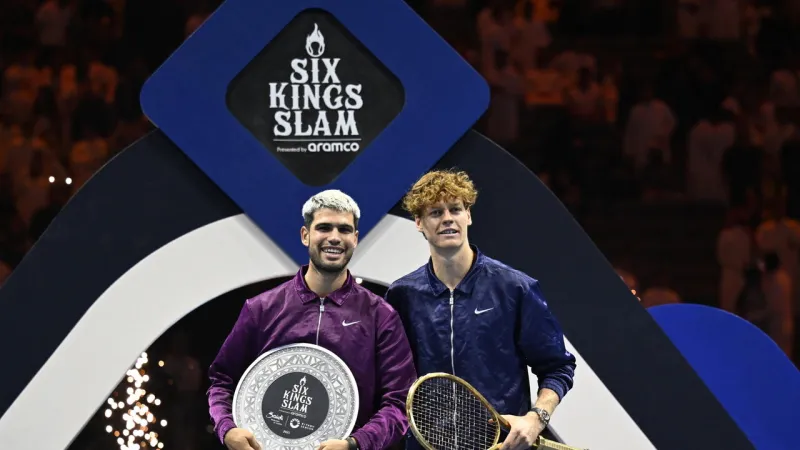
Riyadh — The highly anticipated Six Kings Slam, an exhibition tennis tournament featuring some of the worlds top players, has been postponed from its original October dates to late December, following recent Houthi missile attacks targeting the Saudi Arabian capital. Organizers cited paramount security concerns as the primary reason for delaying the high-profile event.
The tournament, initially slated to run from October 21 to October 24, aimed to draw significant international attention to Saudi Arabias burgeoning sports landscape. However, the decision to reschedule was made to ensure the safety and well-being of the athletes, spectators, and staff involved in the prestigious competition.
Houthi forces, an Iran-aligned group operating from Yemen, have increasingly intensified their long-range missile and drone assaults on targets within Saudi Arabia. These attacks frequently aim at key infrastructure and populous centers, including Riyadh, causing significant regional instability.
The postponement underscores the ongoing geopolitical tensions gripping the Arabian Peninsula. While Saudi air defenses typically intercept most incoming projectiles, the persistent threat demands heightened vigilance and often disrupts daily life and large-scale public gatherings.
The Six Kings Slam was set to feature an elite lineup of tennis stars, signaling a major push by Saudi Arabia to become a significant player in the global sports arena. The presence of such prominent athletes amplifies the security risks perceived by event organizers in the wake of the strikes.
This incident is not isolated. Houthi attacks have impacted various sectors across Saudi Arabia, from oil facilities to civilian airports. The groups stated goal often includes retaliating against Saudi involvement in the Yemen conflict, which escalated dramatically in 2014.
The international community has repeatedly condemned the Houthi aggressions, calling for an immediate de-escalation of hostilities and a return to diplomatic solutions. Efforts to secure a lasting truce in Yemen have faced numerous setbacks, perpetuating the cycle of violence.
Saudi Arabia has invested heavily in diversifying its economy and enhancing its global image through Vision 2030, with sports and entertainment playing a crucial role. Events like the Six Kings Slam are central to this strategy, making their disruption particularly notable.
The rescheduling to late December reflects a hope that the security situation will stabilize sufficiently to allow the tournament to proceed without incident. This period often sees a cooler climate, potentially making it a more appealing time for outdoor sporting events.
Organizers have pledged to release further details regarding the revised schedule and ticketing arrangements in due course. They reiterated their commitment to delivering a world-class tennis experience once conditions permit.
The ongoing conflict in Yemen, now in its twelfth year, continues to be a humanitarian catastrophe and a source of regional volatility. The Houthi ability to launch these attacks from Yemeni territory poses a persistent challenge to Saudi Arabian security.
The decision to postpone such a high-profile event sends a clear message about the seriousness with which security threats are being assessed. It prioritizes human safety over event timelines, a stance that resonates with international sporting federations.
For the tennis world, the delay means a shifting of calendars and potential challenges for players schedules. However, the overarching consensus remains that security must be the foremost consideration in planning international events in volatile regions.
The incident serves as a stark reminder of how geopolitical conflicts can extend their reach beyond battlefields, affecting even seemingly unrelated sectors like international sports. The global interconnectedness means such regional instability has broader implications.
As diplomatic efforts continue to seek a peaceful resolution to the Yemen crisis, the shadow of these attacks persists. The hope remains that a lasting peace can be achieved, allowing for the unhindered staging of cultural and sporting events across the region.