 Angel Doris
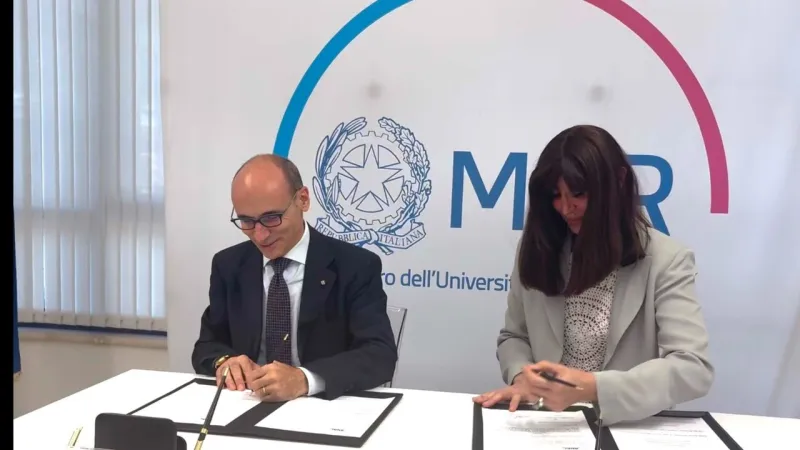
Rome, Italy - In a pivotal move to fortify the integrity and fairness of its higher education system, Italy's Ministry of University and Research (MUR) has officially partnered with the National Anti-Corruption Authority (ANAC) to implement a comprehensive protocol. This significant agreement, finalized recently, aims to introduce robust preventive measures against corruption in university competitions, thereby underpinning the broader application of ongoing academic reforms across the nation.
The collaboration directly addresses long-standing concerns regarding potential irregularities and undue influence that can mar the selection processes for academic positions. Officials from both entities assert that this new framework will furnish essential instruments to safeguard against corrupt practices, fostering a more meritocratic and equitable environment for academics and researchers aspiring to positions within Italy's public universities.
The protocol delineates specific areas of intervention designed to enhance oversight and accountability. These include the establishment of rigorous monitoring systems for competition procedures, the formulation of unequivocal ethical guidelines for evaluation committees, and the creation of efficient mechanisms for reporting and thoroughly investigating suspected malpractices. The overarching goal is to standardize best practices across all Italian universities, ensuring a uniform and high level of transparency in recruitment efforts.
This crucial initiative unfolds as Italy continues its dedicated efforts to implement wide-ranging reforms within its public administration and educational sectors. Such reforms are frequently bolstered by substantial European recovery funds, emphasizing the national commitment to modernizing institutions and rebuilding public trust. The focus on university transparency specifically reflects this broader national agenda.
The broader reform landscape, particularly the ambitious National Recovery and Resilience Plan (PNRR), seeks to streamline administrative processes, enhance efficiency, and bolster the overall effectiveness of public services. This commitment to robust oversight is particularly pertinent given the substantial investments flowing into Italy through the PNRR. Ensuring judicious allocation of these funds and fair access to associated opportunities is paramount, especially as questions arise regarding regional disparities, as highlighted in reports like PNRR Absence Threatens Italy's South: Halved Growth Looms by 2027.
While specific direct quotes from the MUR Minister or ANAC President were not immediately available, the underlying message conveyed by the agreement underscores the undeniable importance of integrity in public life. The protocol serves as a tangible declaration that fostering an unimpeachable academic environment remains a top priority for Italian governance.
Italian universities will now operate under heightened scrutiny regarding their recruitment practices, which is expected to prompt a more rigorous and standardized approach to candidate evaluation. This could entail the revision of existing internal regulations and the implementation of mandatory, specialized training programs for all personnel involved in evaluation and selection committees.
The anticipated benefits of this strengthened framework are multifaceted. They include cultivating a demonstrably fairer playing field for all candidates, significantly increasing public confidence in the impartiality and integrity of academic institutions, and proactively reducing both the perception and the actual incidence of nepotism and favoritism within the university system. This collective effort is projected to elevate the overall credibility of the Italian university system on both a national and international stage.
Historically, university competitions in Italy have, at times, faced criticism for perceived opaqueness or for being susceptible to local influences and entrenched networks. This newly signed protocol directly responds to such historical challenges, aiming to inject an unprecedented level of accountability and clarity into the academic hiring process.
Looking ahead, the agreement is widely regarded as a foundational and indispensable step towards enduring systemic change. Future actions are likely to encompass the development of highly detailed implementation guides, the initiation of regular, independent audits of competition results, and potentially the formation of a dedicated oversight committee to continuously monitor the protocol's effectiveness and proactively address any emerging issues or loopholes.
Beyond the immediate realm of higher education, this bilateral agreement holds potential as a precedent for other public sectors across Italy that contend with similar issues of transparency and corruption prevention in public employment. It seamlessly aligns with a broader governmental push for enhanced good governance, accountability, and the restoration of public trust across all levels of state administration.