 Dorry Archiles
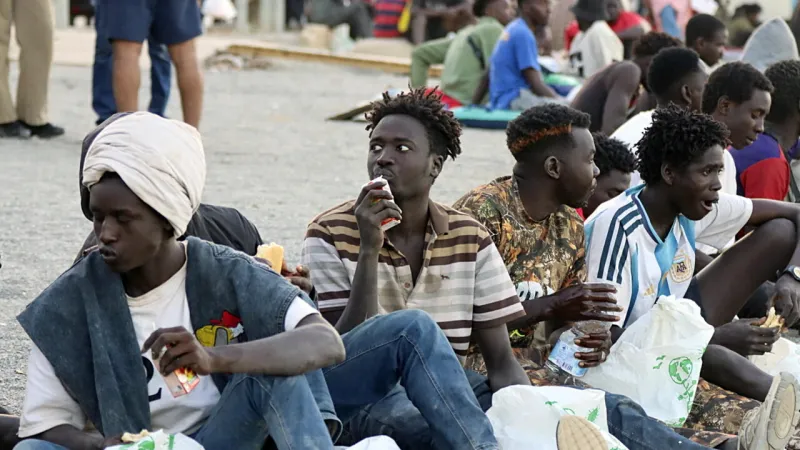
Rome - Italian Interior Minister Matteo Piantedosi announced that Italy will not lift its internal border controls within the Schengen Area until what he termed "the total end of risks" is achieved. This definitive stance underscores a sustained commitment to national security, a policy reinforced by Prime Minister Giorgia Meloni's consistent push for accelerated expulsions of undocumented individuals.
The declaration by Minister Piantedosi outlines a stringent approach to border management, signaling that the temporary suspension of free movement protocols, initially implemented to address perceived security threats and irregular migration flows, will persist indefinitely. His statement, "We will revoke the stop to Schengen only with the total end of risks," leaves little room for immediate reversal of the current measures.
Prime Minister Meloni echoed this sentiment, firmly stating, "Onward with expulsions." Her government has consistently prioritized robust measures against irregular migration and perceived threats to public order, framing these actions as essential for safeguarding national interests. This policy has led to increased operational activity by border authorities.
The implications of Italy's prolonged internal border checks are already manifesting across Europe. Spain, for instance, has reportedly increased scrutiny of Italian citizens, with approximately 3,000 Italians checked by Madrid authorities in recent times. This suggests a potential reciprocal effect or heightened awareness within the Schengen zone concerning travel originating from or transiting through Italy.
The Schengen Agreement, a cornerstone of European integration, typically guarantees passport-free travel across most of the European Union. However, member states retain the right to temporarily reintroduce internal border controls in exceptional circumstances, particularly those posing a serious threat to public policy or internal security. Italy invoked this provision, citing concerns over terrorism and migration.
Critics argue that such prolonged suspensions undermine the fundamental principles of Schengen and can create logistical and economic hurdles for both citizens and businesses. The free movement of people, goods, and services is a significant economic driver within the EU, and any sustained disruption can have wide-ranging consequences.
The European Commission has routinely monitored these temporary reinstatements, encouraging member states to limit their duration and scope. However, nations like Italy, facing unique geopolitical pressures from the Mediterranean migration routes, often emphasize national sovereignty in safeguarding their borders.
The exact criteria for what constitutes a "total end of risks" remain subject to interpretation. This ambiguity suggests that the decision to reinstate full Schengen freedoms will be a unilateral one for Italy, based on its own assessment of the security landscape. Such a determination could involve factors ranging from international terrorism alerts to the volume of irregular arrivals.
Minister Piantedosi’s position aligns with previous statements by Italian officials defending these renewed border controls. As reported earlier, Italy Minister Defends Renewed Schengen Border Controls, highlighting a consistent narrative from Rome regarding the necessity of these measures.
The continued implementation of these checks also raises questions about solidarity and coordination among Schengen states. While member countries acknowledge individual security imperatives, the collective benefit of unimpeded travel is often weighed against national concerns. Dialogue within EU institutions on these matters is expected to intensify.
For citizens, the extended controls translate to potential delays at internal borders, reintroducing a layer of friction that the Schengen Agreement was designed to eliminate. Businesses involved in cross-border trade and tourism also face uncertainties, necessitating adaptations to revised travel protocols.
The Italian government maintains that these robust measures are a necessary response to a complex and evolving security environment. Their resolve to maintain internal border checks until risks are entirely eradicated signals a long-term commitment to a security-first approach, potentially reshaping the practical functioning of the Schengen Area in the coming years.