Angel Doris
A recent global report has underscored Italy's prominent position in the burgeoning recommerce sector, revealing that Italian consumers are leading the charge in both buying and selling second-hand goods. This significant trend, fueled by accelerating digitalization and a shift towards more sustainable consumption patterns, signals a transformative era for the global second-hand market, increasingly characterized by international reach and innovative online sales methods like live shopping.
The comprehensive analysis, which examined consumer behavior across various international markets, pinpointed Italy as a key innovator and adopter within the circular economy model. This robust engagement reflects a cultural willingness to embrace pre-owned items, challenging traditional retail paradigms and fostering a vibrant marketplace for previously owned products.
Digital platforms have emerged as the primary catalyst for this shift, providing accessible and efficient channels for transactions that were once largely confined to physical storefronts or classified advertisements. The report details how these online ecosystems connect buyers and sellers seamlessly, transcending geographical boundaries and expanding market reach.
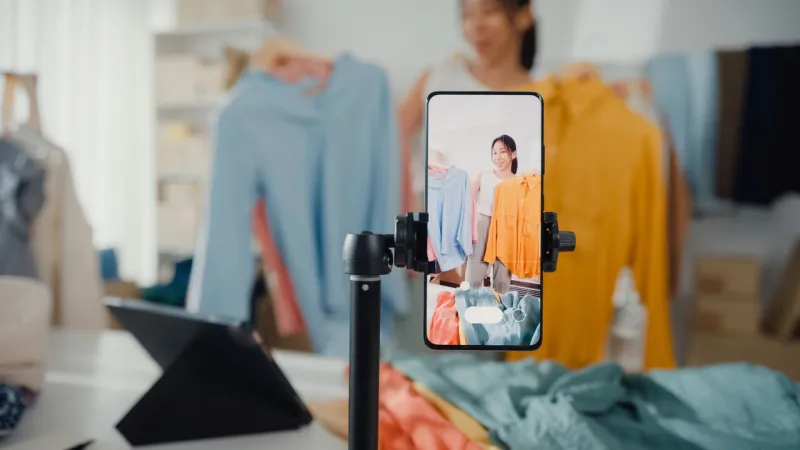
A crucial component of this digital transformation is the rise of live shopping, an interactive e-commerce format where sellers present products in real-time video streams, often engaging directly with potential buyers through comments and questions. This dynamic approach injects a social element into online purchasing, replicating aspects of traditional in-store experiences.
Observers suggest that the appeal of recommerce extends beyond mere cost savings. Consumers are increasingly motivated by environmental consciousness, seeking to reduce waste and extend the lifecycle of products. This ecological imperative aligns with broader global efforts to mitigate climate change and promote sustainable living.
The Italian consumer landscape has shown particular agility in adapting to these new retail dynamics. From fashion and electronics to home goods and collectibles, a wide array of products now circulate actively within the second-hand market, contributing to a more resource-efficient economy.
This proactive stance by Italian consumers contrasts with slower adoption rates in some other developed economies, positioning Italy as a significant case study for understanding future recommerce trends. The nations early embrace provides valuable insights into the mechanisms driving market expansion and consumer engagement.
The report highlights that the increased internationalization of the second-hand market is also a defining feature of the current recommerce boom. Cross-border transactions are becoming more commonplace, enabling sellers to reach a wider audience and buyers to access unique items from around the globe.
Economic factors also play a substantial role. In an era of fluctuating economic stability, recommerce offers an attractive alternative for consumers looking to maximize their purchasing power. Selling used items provides an additional income stream, while buying pre-owned goods often presents significant savings.
Analysts predict that the recommerce sector will continue its upward trajectory, driven by technological advancements and evolving consumer values. Investments in secure payment systems, improved logistics, and sophisticated authentication processes are enhancing trust and convenience within the market.
The findings suggest that the integration of artificial intelligence for personalized recommendations and blockchain technology for product authenticity could further revolutionize the second-hand market. These innovations promise to streamline operations and enhance the overall user experience.
Industry experts note that established retail giants are also beginning to recognize the immense potential of recommerce, with many launching their own second-hand programs or partnering with existing platforms. This corporate endorsement lends further credibility and mainstream appeal to the market.
For policymakers, the growth of recommerce presents opportunities for promoting sustainable economic development and reducing ecological footprints. Encouraging circular economy practices through incentives and regulatory frameworks could further accelerate this positive trend.
Ultimately, the report paints a clear picture: the second-hand market, spearheaded by proactive consumers like those in Italy, is not merely a niche activity but a fundamental component of the contemporary global economy. Its digital and international expansion underscores a profound shift in how goods are valued, exchanged, and consumed.