 Stefani Rindus
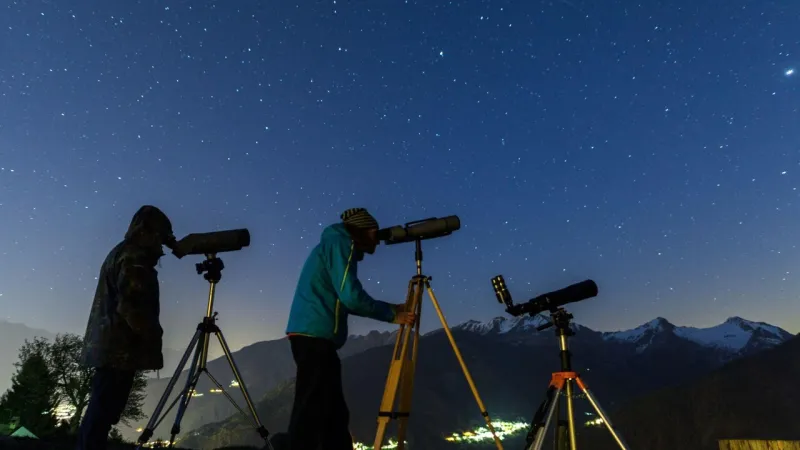
Trentino, Italy – From the rugged peaks of the Alps to the serene coastlines of Sicily, Italy is cementing its reputation as a premier destination for celestial observation, offering stargazers unparalleled views of the cosmos. The nation, often lauded for its historical sites and culinary delights, now increasingly draws visitors seeking the profound silence and clarity of its dark night skies.
The growing interest in astrotourism highlights a shift in how travelers experience Italy. While ancient ruins and Renaissance art remain popular, the allure of unpolluted nightscapes is capturing a new segment of explorers. The country's varied topography, from high-altitude mountain ranges to remote island sanctuaries, provides diverse vantage points away from urban light pollution.
Northern Italy's Dolomite region, a UNESCO World Heritage site, offers some of Europe's most pristine dark sky conditions. Areas within natural parks and protected reserves are actively promoting responsible tourism practices to maintain their nocturnal environments, crucial for both scientific research and public enjoyment.
Moving south, the Apennine mountain range provides numerous remote locations ideal for stargazing. National parks such as the Gran Sasso e Monti della Laga, with their elevated plateaus and sparse populations, become natural observatories once twilight descends, revealing a spectacular tapestry of stars, planets, and the Milky Way.
The central and southern regions also boast significant dark sky potential. Regions like Umbria and Tuscany, renowned for their rolling hills and vineyards, offer secluded agriturismo estates that cater to celestial enthusiasts, often equipped with telescopes and expert guides. This blending of luxury and astronomical wonder creates a unique tourism niche.
Even on its islands, Italy presents exceptional opportunities. Sicily, the largest island in the Mediterranean, possesses coastal areas and inland hills where light pollution is minimal. Away from major cities like Palermo or Catania, the night sky over Sicily unveils a breathtaking panorama, a stark contrast to the brilliant daylight that illuminates its ancient Greek temples and Baroque cities.
The island of Sardinia, with its vast undeveloped interior and low population density, is another gem for astronomers and amateur stargazers alike. Its clear, dry air contributes to excellent seeing conditions, making it an ideal spot for observing faint deep-sky objects and meteor showers.
Preserving these dark sky environments is paramount. Organizations and local authorities across Italy are working to implement light pollution control measures, recognizing the ecological and astronomical value of natural darkness. This includes adopting outdoor lighting practices that minimize skyglow and raising public awareness about the benefits of dark skies for wildlife, human health, and scientific endeavor.
The phenomenon of stargazing offers more than just aesthetic pleasure; it connects observers to the vastness of the universe and fosters a deeper appreciation for natural sciences. Educational initiatives at local observatories and public events contribute to this growing fascination, transforming simple night sky viewing into an enriching cultural and scientific experience.
As the world increasingly urbanizes, the pristine night skies of locations like Italy become rarer and more valuable. They provide a vital sanctuary where the magic of celestial observation can be truly experienced, inviting reflection on humanity's place within the cosmos.