Edward DP Situmorang
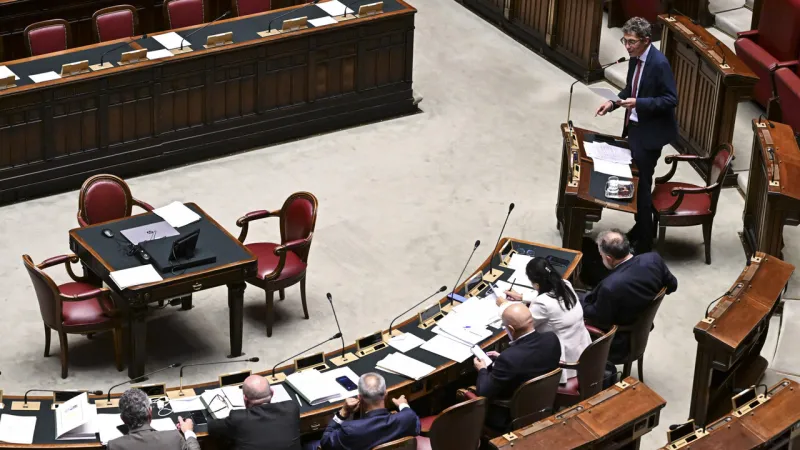
Rome - The Italian Parliament stands poised for a pivotal week, as lawmakers prepare to cast a decisive, secret ballot on the proposed new electoral law between the 7th and 8th of the month. The legislative process intensifies today with preliminary questions, known as "pregiudiziali," which the Assembly will address in a single, non-palese vote, setting the stage for the final legislative push.
This forthcoming vote represents a critical juncture for Italy's political landscape, potentially reshaping how future governments are formed and how citizens' voices are translated into parliamentary representation. The debate surrounding electoral reform has been protracted and often contentious, reflecting deep divisions within and across party lines.
The preliminary questions being considered today are fundamental procedural hurdles. These objections often challenge the very admissibility or constitutionality of the proposed legislation, and their outcome can significantly influence the trajectory of the bill, even leading to its withdrawal or substantial alteration before the final vote on its merits.
The decision to conduct the final vote by secret ballot adds an intriguing layer of complexity and unpredictability to the proceedings. Historically, secret ballots in Italian Parliament have sometimes led to outcomes diverging from stated party positions, allowing individual deputies greater freedom from party whips and potentially revealing hidden dissent.
Italy has a history fraught with electoral system changes, each attempt aiming to create a more stable and representative government, often with mixed results. From proportional systems to majoritarian leanings, the nation has grappled with finding a delicate balance that appeases a diverse political spectrum. This latest proposal seeks to address perceived shortcomings of the current framework.
The legislative push for this electoral law occurs within a dynamic political environment in 2026. The current government coalition, led by Prime Minister Giorgia Meloni, is keen to secure a stable framework for future elections, although internal and external pressures from opposition parties and even within the ruling bloc can complicate the legislative journey.
Analysts widely assert that the new electoral law could have far-reaching implications for the composition of the next Parliament and the stability of subsequent governments. A system perceived as more stable or, conversely, more fragmented, would influence political alliances, campaigning strategies, and ultimately, the governance of the nation.
With the final vote scheduled within days, lawmakers face immense pressure to scrutinize the legislation thoroughly. The compact timeline underscores the government's resolve to expedite the reform process, potentially to ensure it is in place well ahead of the next general election cycle.
The process mandates that after addressing the preliminary questions, the Chamber will move to a general debate on the articles of the electoral law itself. This phase allows for amendments and further discussion, though the weight of the preliminary vote often signals the likely ultimate fate of the bill.
As the 7th and 8th approach, political observers will be watching closely for any shifts in allegiances or unexpected maneuvers that a secret ballot often enables. The outcome will not only define Italy's electoral future but also serve as a barometer of the current parliamentary majority's cohesion and strength.