 Angel Doris
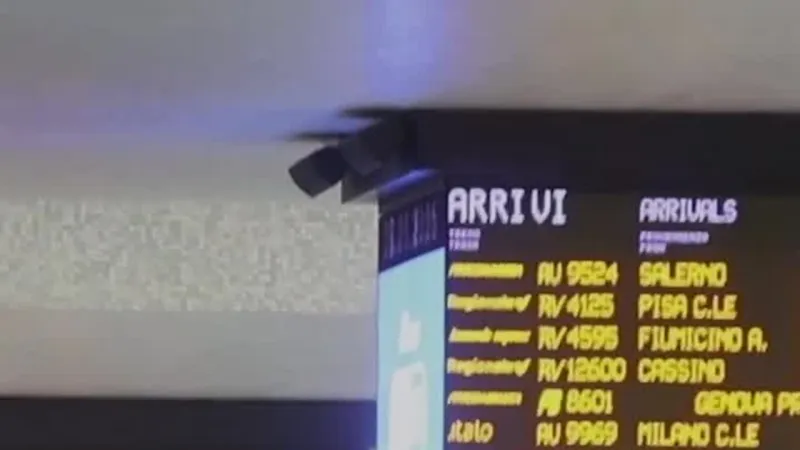
ROME – Travelers across Italy face significant disruptions throughout the current month as the nation's extensive rail network grapples with 1,300 active construction sites. These widespread projects, encompassing major infrastructure upgrades, routine maintenance, and crucial technological enhancements, are set to impede both ordinary and high-speed train services, promising a challenging period for commuters and tourists alike.
The extensive scale of work underscores a concerted effort to modernize and future-proof Italy's vital railway infrastructure. While necessary for long-term efficiency and safety, the immediate impact manifests as widespread delays, cancellations, and altered routes, affecting millions who rely on the country's train system for daily commutes and intercity travel.
National rail operators have issued advisories, urging passengers to consult updated timetables and plan journeys well in advance. The disruptions are not confined to specific regions but are spread across the peninsula, impacting key arteries that connect major metropolitan areas as well as local lines serving smaller communities.
These 1,300 active cantieri, or construction sites, represent a substantial investment in the Italian rail network. The projects range from high-speed line extensions designed to reduce travel times between cities like Rome and Milan, to fundamental track renewals aimed at improving safety and operational reliability on older routes.
Technological updates form another critical component of the ongoing works. These include signal system modernizations, implementation of advanced traffic control mechanisms, and electrification projects. Such enhancements are vital for increasing capacity, reducing energy consumption, and aligning the Italian rail network with European Union safety and interoperability standards.
Industry experts acknowledge the short-term inconvenience but emphasize the long-term benefits of such comprehensive overhauls. A robust and modern rail system is considered indispensable for Italy's economic competitiveness, environmental sustainability goals, and the continued growth of its tourism sector.
The simultaneous nature of these projects, however, presents a logistical puzzle for railway management. Coordinating thousands of workers, intricate machinery, and precise construction schedules across such a vast network requires meticulous planning to minimize overall impact, yet some level of passenger inconvenience remains unavoidable.
Passengers are advised to explore alternative transportation options where feasible, particularly during peak travel times or on routes known to be heavily affected. Many local and regional governments are working with bus services to provide supplementary routes for commuters.
The significant undertaking reflects a strategic national commitment to improve public transport infrastructure, following years of underinvestment in some areas. The goal is to create a more resilient, faster, and more integrated Italian rail network capable of meeting future demands.
Officials have indicated that while this month presents a peak in construction activity, the works are part of a multi-year investment plan. Further phases of maintenance and expansion are anticipated, signaling a continuous evolution of the national rail system in the years leading up to and beyond 2026.
The economic implications of these works extend beyond passenger inconvenience. Supply chains relying on freight rail may also experience delays, necessitating adjustments for businesses dependent on timely deliveries. The construction sector, however, sees a significant boost, creating numerous job opportunities and stimulating local economies in affected regions.
Ultimately, the current period of widespread disruption is framed as a necessary interim phase for the strategic betterment of Italy's national railway. While a difficult month for travelers, it lays the groundwork for a more efficient, safer, and technologically advanced rail future for the nation.