 Debby Wijaya
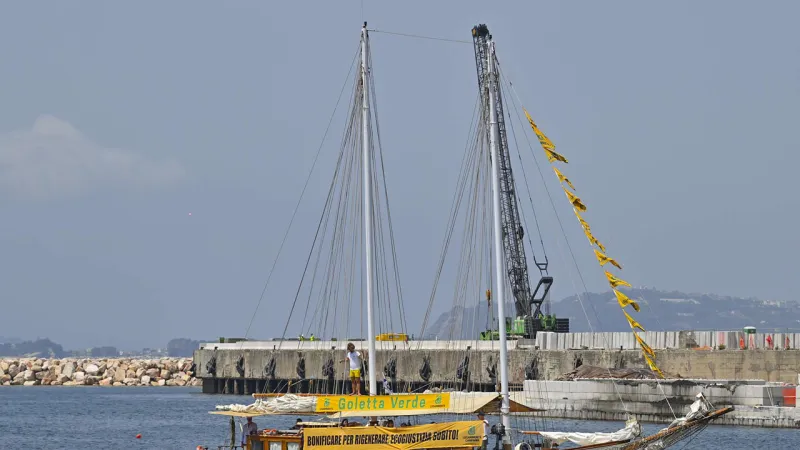
An alarming 34 percent of Italy's marine and lake waters are critically polluted, primarily due to deficient wastewater treatment systems, according to a recent report by the environmental organization Legambiente. The findings, highlighting critical contamination points at river mouths and coastal areas, underscore a persistent environmental challenge that has led to four ongoing infringement procedures against Italy by the European Union.
Legambiente's annual Goletta Verde and Goletta dei Laghi campaigns, which meticulously monitor the health of Italy's aquatic ecosystems, revealed widespread contamination. Researchers gather water samples from hundreds of locations, particularly focusing on areas near river mouths and urban discharges, which consistently emerge as hotspots for pollutants.
The core issue, identified as “mala depurazione” or inadequate wastewater treatment, points to a systemic failure in managing urban and industrial effluent. Many municipalities across the Italian peninsula lack sufficient sewage infrastructure, leading to untreated or poorly treated wastewater being discharged directly into seas, lakes, and rivers.
This dire situation has not gone unnoticed by the European Union. Italy currently faces four distinct infringement procedures for failing to comply with the Urban Waste Water Treatment Directive. These legal actions carry significant financial penalties and reflect the severity of the nation's environmental negligence.
The environmental repercussions are profound. Polluted waters threaten marine and lacustrine biodiversity, disrupting delicate ecosystems and endangering aquatic species. Persistent contamination can lead to eutrophication, algal blooms, and oxygen depletion, creating dead zones inhospitable to life.
Beyond ecological damage, Italy's water pollution poses considerable risks to public health. Swimmers and tourists visiting affected areas face exposure to pathogenic bacteria and viruses, potentially causing gastrointestinal illnesses and skin infections. This directly impacts the tourism sector, a cornerstone of the Italian economy, particularly in coastal regions.
Legambiente has consistently called for urgent and substantial investment in modernizing and expanding Italy's wastewater treatment infrastructure. The organization advocates for stricter enforcement of environmental regulations and greater transparency in monitoring discharge quality.
Despite the clear evidence and EU pressures, progress on addressing the core problem of mala depurazione has been slow. Bureaucratic hurdles, funding shortages, and fragmented responsibilities among various governmental levels contribute to the protracted crisis.
The economic cost of inaction extends beyond EU fines. The degradation of natural assets diminishes their value for fishing, aquaculture, and recreational activities. Restoring polluted environments is a complex and expensive endeavor, often requiring decades of sustained effort.
Italy's struggle with water quality is not isolated. While the nation also grapples with issues like drought, which tightens its grip on waterways and exacerbates water scarcity, the pollution from inadequate treatment represents a distinct yet equally critical challenge requiring immediate, targeted solutions.
Addressing this persistent problem demands a comprehensive national strategy. This includes not only infrastructure upgrades but also public awareness campaigns, innovative technologies for water purification, and robust monitoring systems to hold polluters accountable.
Ultimately, safeguarding Italy's iconic coasts and pristine lakes is paramount for environmental sustainability, public welfare, and the nation's economic vitality. The findings from Legambiente serve as a stark reminder of the urgent need for decisive action to protect these invaluable natural resources from pervasive pollution.