 Stefani Rindus
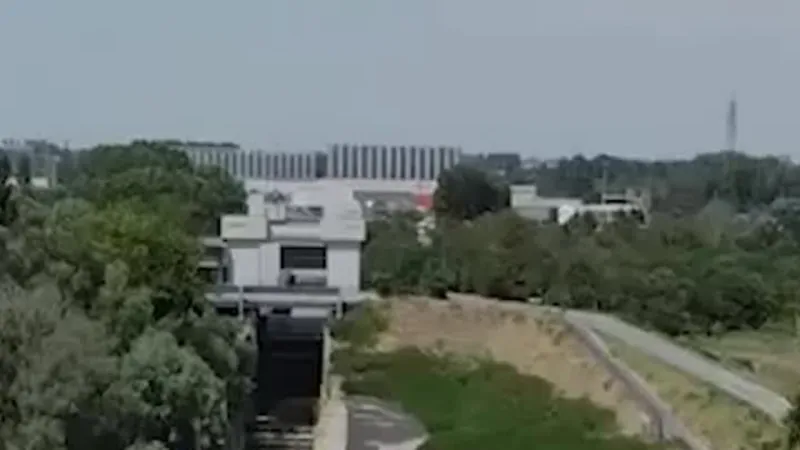
CREMONA, Italy — The Po River, Italy's longest and most significant waterway, is confronting historically low water levels, dramatically visible from aerial perspectives over areas like Cremona. This critical state underscores the intensifying impact of prolonged drought and successive heatwaves on the nation's indispensable water resources, raising alarm among agricultural communities and environmental scientists across Northern Italy.
Photographic evidence from above reveals extensive stretches of exposed riverbed and significantly diminished flow, a stark visual testament to a deepening environmental crisis. This dramatic recession of water directly threatens the ecological balance of the Po basin and the socioeconomic stability of surrounding regions.
The agricultural sector, often referred to as Italy's food basket, bears the immediate and most severe consequences. Farmers, who rely heavily on the Po for irrigation, face catastrophic crop failures for staples such as rice, corn, and wheat. The reduced water availability jeopardizes harvests, threatening livelihoods and national food security.
Economic ramifications extend beyond individual farms. The diminished output of key agricultural products has the potential to ripple through the Italian economy, potentially increasing food prices for consumers and impacting exports, which are crucial to the national balance sheet.
The energy infrastructure also feels the strain. Hydroelectric power plants, which contribute significantly to Italy's energy mix, experience reduced capacity as water levels plummet. This necessitates greater reliance on other, often more carbon-intensive, energy sources, complicating Italy's climate objectives.
Furthermore, the navigability of the Po River, once a vital artery for barges transporting goods and a popular route for tourist boats, is severely compromised. Shallow waters and exposed sandbanks make transit perilous or impossible, disrupting commercial logistics and the local tourism industry.
Experts note that while seasonal fluctuations are normal, the current drought conditions are far from typical. The frequency and intensity of these events have escalated over the past decade, suggesting a worrying trend. For a more detailed account of the persistent challenges facing Italy's water supply, readers can review Italy's Lifeline Dries: Po River Levels Plummet Amid Severe Drought.
Climate scientists largely attribute the sustained drought and concurrent heatwaves to broader climate change patterns. Rising global temperatures contribute to reduced precipitation in critical periods and increased evaporation rates, further exacerbating water scarcity. This phenomenon is not isolated to Italy, as many parts of Europe also contend with similar environmental pressures.
The Italian government has initiated emergency protocols, including water restrictions in several regions, and is deliberating long-term strategies for water management and infrastructure resilience. These discussions often focus on modernizing irrigation systems, improving water storage, and fostering more sustainable agricultural practices to adapt to the new climatic reality.
Environmental organizations and academic institutions advocate for a comprehensive, national water plan. Such a plan would integrate conservation efforts, promote efficient usage across all sectors, and invest in research for drought-resistant crops and advanced desalination technologies to secure future water supplies.
Across the European continent, similar stories unfold as rivers like the Rhine and Danube also grapple with historically low levels, demonstrating a widespread environmental challenge. This collective experience underscores the urgency for coordinated international efforts to mitigate climate change and bolster resilience against its impacts.
As the summer months approach, typically characterized by increased water demand and potential for further heatwaves, the outlook for the Po River remains precarious. The ongoing crisis serves as a stark reminder of the delicate balance between human activity and natural resources, demanding immediate action and foresight from policymakers and citizens alike.