 Stefani Rindus
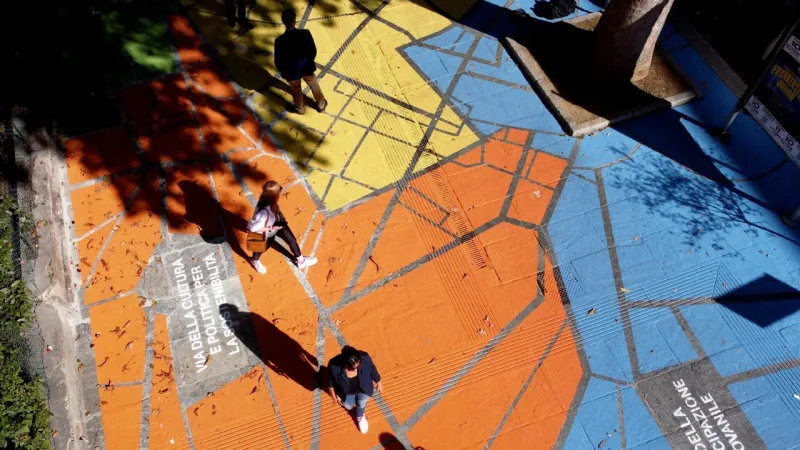
In a significant move aimed at enhancing urban liveability and community engagement, the city of Parma, Italy, has initiated a dynamic tactical urbanism project on a central street. This transformative effort is being undertaken as a key component of Parma's preparations for its designation as European Youth Capital 2027.
This initiative sees a prominent downtown thoroughfare reimagined with vibrant colors and temporary installations, fundamentally altering its character and function. The objective is to create a more pedestrian-friendly and aesthetically pleasing environment, fostering greater social interaction and active civic participation.
Tactical urbanism, often described as low-cost, temporary changes to the built environment, aims to improve local neighborhoods and city gathering spots. These interventions typically involve painting street surfaces, installing modular furniture, planting temporary greenery, and reconfiguring traffic flows to prioritize pedestrians and cyclists over vehicles.
The project in Parma exemplifies this adaptable approach, utilizing readily deployable elements to test new designs and public space uses before committing to more permanent, capital-intensive alterations. This methodology allows for flexibility and community feedback, crucial for successful urban development.
Parma's status as European Youth Capital 2027 underscores its commitment to empowering young people and integrating their perspectives into the city's future. This designation recognizes cities that actively promote youth participation, cultural exchange, and innovative urban solutions.
The tactical urbanism project directly supports these goals by creating spaces where young people can gather, express themselves, and engage with their urban surroundings. It aims to make the city center more accessible and appealing to a youthful demographic, encouraging a sense of ownership and belonging.
City officials highlight the project as a tangible demonstration of Parma's vision for a more inclusive and dynamic urban landscape. It is anticipated to serve as a catalyst for further community-led initiatives and innovative urban planning throughout the municipality.
The chosen central street, now infused with color and activity, is expected to become a vibrant hub, attracting residents and visitors alike. This temporary revitalization offers a glimpse into Parma's ambitious plans for its future, particularly as it prepares to host numerous youth-focused events and programs leading up to and during 2027.
Such projects are gaining traction globally, as cities seek sustainable and adaptable solutions to urban challenges. They offer a practical means to address issues like traffic congestion, lack of green space, and declining public engagement, often with immediate visual impact and community benefits.
Parma's embrace of tactical urbanism signals a forward-thinking approach to urban development, prioritizing human-centric design and the active involvement of its citizens, especially its young population. The success of this initial intervention could pave the way for similar projects across other districts, expanding the reach of this urban transformation.