Gabriella
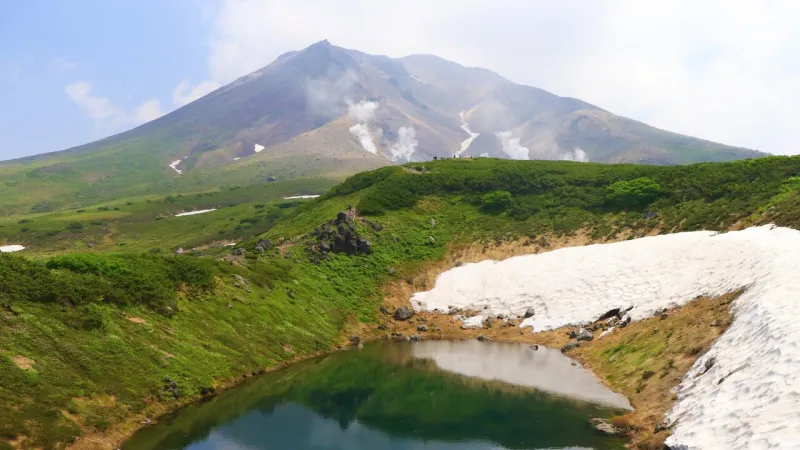
Yamagata Prefecture, Japan – Amidst the relentless pace of modern life, a timeless spiritual sanctuary awaits visitors just a few hours north of Tokyo. The sacred mountains of Japan, known collectively as Dewa Sanzan – comprising Mount Haguro, Mount Gassan, and Mount Yudono – are re-emerging as profound destinations for those seeking silence, natural beauty, and a deep connection to ancient Shugendo ascetic practices. These pristine peaks offer a rare glimpse into a spiritual heritage preserved across centuries.
The Dewa Sanzan, often referred to as the Three Mountains of Dewa, have served as pivotal centers for mountain worship in Japan for over 1,400 years. Their significance lies not only in their breathtaking landscapes but also in their role as a spiritual training ground for Yamabushi, mountain ascetics who practice Shugendo, a syncretic religion blending elements of Buddhism, Shintoism, and animism.
Each mountain within the Dewa Sanzan holds unique spiritual importance. Mount Haguro, accessible year-round, is renowned for its iconic five-story pagoda and its 2,446 stone steps lined with ancient cedar trees. It represents the present world and is often the starting point for pilgrims.
Mount Gassan, the tallest of the three, symbolizes the past. Its summit is typically only accessible during the summer months due to heavy snow. Pilgrims traditionally visit its shrine to honor their ancestors and reflect on their lineage, embodying a journey into the spiritual past.
Mount Yudono, considered the most sacred, embodies the future and rebirth. Its main shrine prohibits photography and speaking about the sacred rituals performed there, emphasizing its profound mystique. Here, the holy water gushing from the mountain itself is worshipped, representing a purification and renewal process.
Historically, the arduous pilgrimages through these mountains were undertaken to experience a spiritual death and rebirth, mirroring the cycle of life. The journey was not merely physical; it was a profound spiritual transformation, designed to cleanse the soul and foster enlightenment.
Today, while many still undertake the full ascetic journey, a growing number of international and domestic tourists are drawn to the region for its unparalleled tranquility and the opportunity to disconnect. The concept of silent travel is gaining traction, with the Dewa Sanzan offering an authentic experience far removed from bustling urban centers.
Visitors can immerse themselves in the local culture, staying in Shukubo, temple lodgings, where they can partake in vegetarian Shojin Ryori cuisine and even join morning prayers with the resident monks. This offers a holistic experience, blending spiritual insight with traditional hospitality.
Local authorities and religious organizations are diligently working to preserve the pristine environment and cultural heritage of the Dewa Sanzan. This dedication ensures that future generations can continue to experience these extraordinary sacred mountains of Japan in their unspoiled glory.
As the world seeks more meaningful travel experiences, these ancient peaks serve as a powerful reminder of Japan's enduring spiritual landscape. They offer not just a destination but a transformative journey, inviting contemplation and a profound encounter with nature and tradition.
While Mount Haguro is the most accessible, providing a gateway for many, the full Dewa Sanzan pilgrimage typically takes several days to complete. Local guides, often former Yamabushi or those deeply knowledgeable in the Shugendo traditions, enhance the experience, providing historical context and spiritual guidance to visitors.
The area's cultural significance extends beyond the mountains themselves. Surrounding towns and villages preserve ancient festivals, crafts, and culinary traditions that have evolved in harmony with the mountain worship. This creates a vibrant cultural tapestry for those who venture into the region.
Unlike some more commercialized spiritual sites, the Dewa Sanzan maintain a strong sense of authenticity. The focus remains on personal reflection and connection to the sacred, rather than mass tourism, offering a more genuine and impactful experience for discerning travelers.