 Demian Sahputra
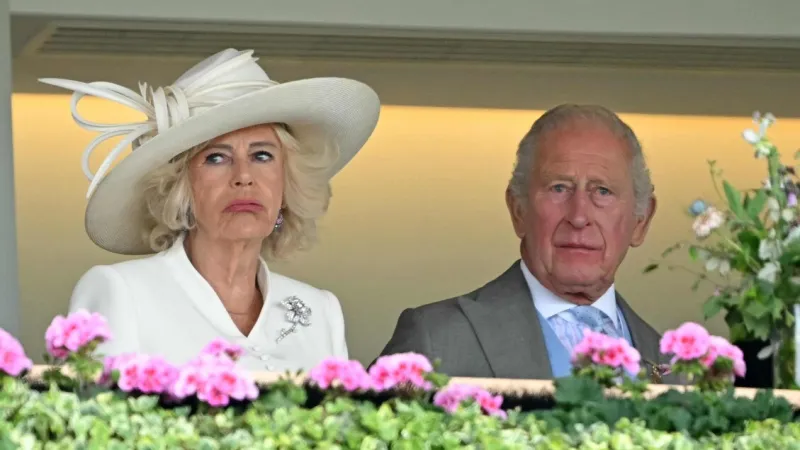
LONDON – King Charles III has made a historic departure from centuries of royal tradition, becoming the first reigning British monarch to publicly disclose his personal tax returns. This unprecedented operation in transparency, announced recently, aims to foster greater public trust and comes amidst efforts to distance the monarchy from lingering questions surrounding past associations.
The decision marks a significant shift for the British monarchy, an institution often characterized by its guarded financial affairs. Historically, the private incomes of sovereigns have remained outside public scrutiny, with only grants from the Sovereign Grant being subject to parliamentary oversight.
While Buckingham Palace did not directly link the disclosure to any specific event, observers suggest the move is a proactive measure to address persistent public and media speculation. The Epstein scandal, which embroiled members of the royal family, particularly Prince Andrew, has intensified demands for accountability and openness from the highest echelons of British society.
The disclosed documents provide a detailed account of King Charles personal income streams, including profits from the Duchy of Lancaster estate, investments, and other private earnings. Experts are currently analyzing the figures to provide a comprehensive understanding of the monarch's financial contributions to the exchequer.
Initial reactions have been largely positive, with proponents of constitutional reform commending the King's initiative. Public opinion surveys indicate a growing desire for modernizing the monarchy, and this act of financial transparency appears to resonate with those sentiments.
For generations, the British sovereign's financial arrangements have been a complex blend of publicly funded grants and private wealth. The monarch pays income tax on revenue from the Duchy of Lancaster and capital gains tax on the disposal of assets. However, the details of these payments have never before been made public at such a granular level.
Queen Elizabeth II, for instance, voluntarily began paying income tax in 1993, but the specifics of her private income and tax liabilities were never fully revealed to the public. This sets a new benchmark for royal accountability and significantly expands upon previous efforts.
The move is expected to set a new precedent for future monarchs and may prompt other European royal families to consider similar disclosures. It underscores a broader trend towards transparency in public life, even for hereditary institutions.
Despite the general positive reception, some critics argue that the disclosure, while welcome, does not go far enough. They suggest that a truly transparent monarchy would reveal all aspects of its wealth and how it is managed, not just a portion of the King Charles tax returns. Others point out that the King's vast wealth remains substantial, even after tax.
This development also occurs at a time when the role and relevance of the monarchy are frequently debated in British political circles. With a significant portion of the population questioning inherited privilege, such royal transparency measures become vital for maintaining public support.
Constitutional experts largely view this as a strategic move to secure the monarchy's long-term viability in a modern democratic state. Many analysts suggest that fostering such openness is increasingly crucial for hereditary institutions to maintain public support and legitimacy in the 21st century.