 Demian Sahputra
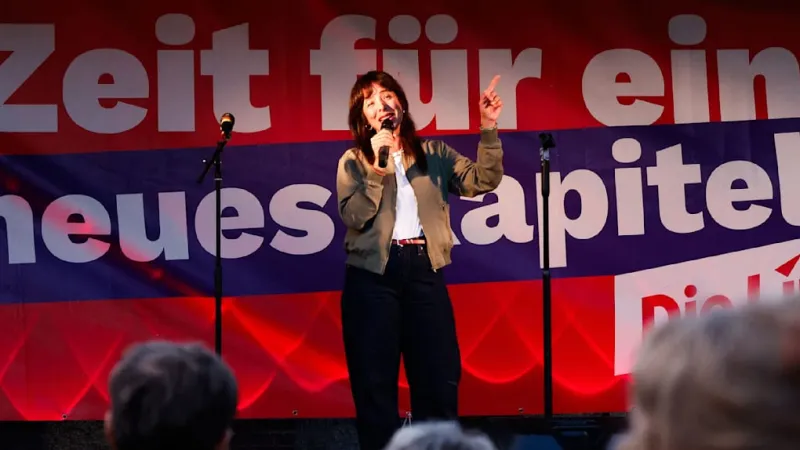
BERLIN – Left Party candidate Elif Eralp has publicly denounced a controversial incident at a recent party event in the German capital, demanding immediate clarification and "consequences" after a rapper present at the gathering reportedly chanted "Death to the IDF." The incident has sparked a potent backlash, with Eralp emphasizing her commitment to protecting Jewish life and condemning inflammatory rhetoric.
The controversial remarks reportedly occurred during a publicly accessible Left Party function, casting a shadow over the party's platform and its efforts to engage with various communities. Witnesses described the rapper's chant as an explicit call targeting the Israeli Defense Forces, immediately drawing concern and criticism.
Eralp, a prominent figure within the Left Party, quickly distanced herself from the offensive statements. She characterized her reaction as "appalled," stressing the severity of the language used and its potential to incite hatred. Her swift condemnation aims to mitigate damage to the party's image.
The Left Party, known for its diverse ideological factions, often navigates complex geopolitical issues, particularly those concerning the Middle East. This incident, however, has ignited an internal debate about permissible speech within party-affiliated events and the boundaries of political expression.
Eralp's immediate call for "consequences" indicates a serious internal review is expected. Such actions could range from official condemnations of the rapper's statements to stricter vetting processes for participants at future party gatherings. The specific nature of these consequences remains to be determined.
Beyond the immediate repercussions, the incident prompts broader questions about antisemitism within political discourse in Germany. Historically, Germany carries a profound responsibility regarding antisemitic rhetoric, making such public utterances particularly sensitive and subject to intense scrutiny.
The slogan "Death to the IDF" is widely considered a deeply provocative and often antisemitic statement, especially within the German context where criticism of Israel can quickly devolve into anti-Jewish sentiment. Eralp's explicit stance "before Jewish life" underscores this critical distinction.
Political analysts suggest the controversy could complicate the Left Party's standing, particularly as it strives to present a united front ahead of upcoming elections. Instances of perceived extremism or intolerance can alienate crucial segments of the electorate.
This event arrives amidst a broader European landscape grappling with heightened tensions related to the Israel-Palestine conflict, which often spills into domestic political arenas. Germany, in particular, has seen increased debates surrounding freedom of speech versus hate speech concerning this topic.
The party leadership now faces the challenge of demonstrating decisive action while upholding its members' rights to legitimate political critique. The delicate balance requires transparent communication and robust internal procedures.
Eralp's unequivocal condemnation aligns with a growing movement within mainstream German politics to confront and eradicate all forms of antisemitism. Her statements reinforce a commitment to fostering an inclusive society where all communities feel safe and respected.
The German government, led by Chancellor Olaf Scholz, has repeatedly affirmed its unwavering commitment to Israel's security and to combating antisemitism domestically. This incident at a Left Party event will undoubtedly be viewed through that national lens.
While the specific identity of the rapper involved has not been widely disclosed, the focus remains on the organizational responsibility of the Left Party. Public pressure will likely mount for a comprehensive explanation of how such a statement was permitted to occur.
The incident also highlights the complexities of political rallies and the challenges in controlling spontaneous outbursts, even at structured events. However, the expectation for political parties is to maintain an environment free from hate speech.
Previous reports on actions taken by the IDF often elicit strong reactions globally, but expressions of outright hostility towards any national military, particularly in this context, are highly contentious in Germany.
The Left Party's response to this controversy will serve as a crucial test of its internal cohesion and its commitment to core democratic values, especially in protecting vulnerable communities from inflammatory rhetoric.