Gabriella
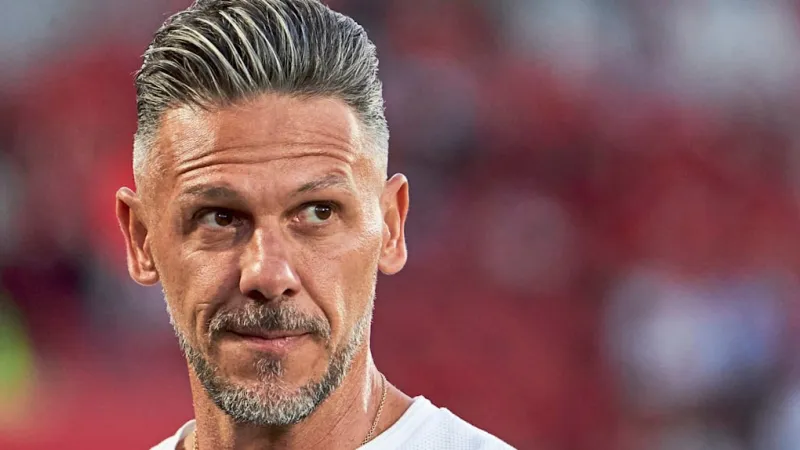
Leipzig, Germany — RasenBallsport Leipzig announced the appointment of Martin Demichelis as its new head coach, succeeding Ole Werner, whose tenure concluded despite leading the club to a notably successful season. This surprising leadership change introduces Demichelis, whose most recent managerial role saw Mallorca relegated, to the helm of a prominent Bundesliga contender.
The decision to part ways with Werner has perplexed many observers of German football. Under his guidance, Leipzig achieved significant milestones, securing a strong league position and advancing deep into cup competitions, a performance widely praised by fans and pundits alike.
Werner's dismissal, juxtaposed with Demichelis's recent track record, presents a stark contrast. While Werner delivered tangible success, Demichelis arrives in Leipzig fresh from overseeing Mallorca's descent from Spain's top flight.
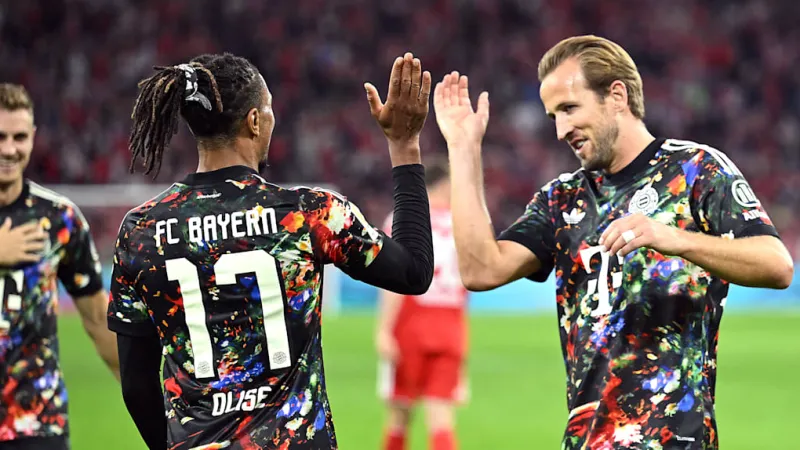
Demichelis, a former Argentine international defender, enjoyed a decorated playing career, notably with Bayern Munich and Manchester City. His on-field intelligence and leadership qualities were often highlighted as potential assets for a future coaching role.
Following his retirement as a player, Demichelis transitioned into coaching, initially working within youth setups before taking on his first senior management position with Mallorca. This progressive path seemed to align him for further opportunities.
His spell at Mallorca, however, proved challenging. Despite efforts to stabilize the team, Mallorca ultimately failed to avoid relegation, a setback that raised questions about his readiness for a top-tier European club challenge.
RasenBallsport Leipzig, known for its dynamic, aggressive football and ambition to challenge Bayern Munich's dominance, now places its trust in a coach with a mixed, though limited, managerial resume. The club's strategic vision often prioritizes long-term development.
The move sends ripples through the Bundesliga, where coaching stability is often prized. Leipzig's readiness to make such a bold change, removing a successful coach for one with a recent relegation, underscores either a calculated risk or a divergence in long-term philosophy.
While official statements from RasenBallsport Leipzig emphasized a desire for a fresh impetus, the specifics of Werner's exit and the rationale for selecting Demichelis remain subjects of intense discussion among football analysts.
Fan forums and sports media outlets immediately reacted, with many expressing surprise and skepticism regarding the wisdom of the appointment. The pressure on Demichelis to deliver immediate positive results will be immense.
Demichelis will face the immediate task of integrating his tactical philosophy, rebuilding team morale following Werner's unexpected departure, and preparing the squad for a demanding Bundesliga campaign and European commitments.
This coaching shuffle at Leipzig is not isolated. Across German football, clubs periodically make decisive changes at the helm, sometimes despite respectable performances, in pursuit of new tactical directions or perceived greater potential. For example, THW Kiel dismissed coach Jicha after a historically poor season, illustrating the high stakes involved in professional sports management.
Ultimately, Demichelis's success or failure will hinge on his ability to quickly adapt to the Bundesliga's intensity, inspire a talented squad, and translate the club's lofty ambitions into concrete on-field achievements. His appointment represents a significant gamble for RasenBallsport Leipzig.