 Demian Sahputra
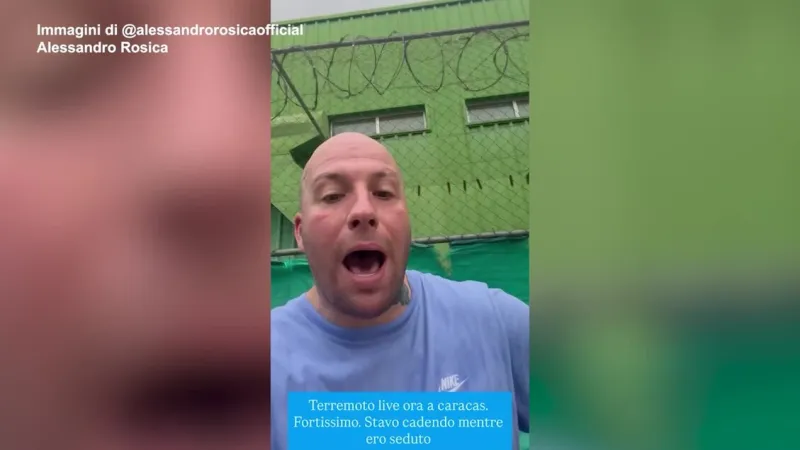
An unexpected and powerful seismic event struck Venezuela recently, with the dramatic tremors captured live on national television, creating a harrowing spectacle for viewers across the nation. The earthquake, which registered significant intensity, sent immediate shockwaves of fear and concern throughout affected regions, prompting rapid initial assessments of potential damage and casualties.
The live broadcast footage, circulating widely across social media platforms, shows television personalities and studio crew visibly reacting as the ground begins to shake. Objects on desks rattled, lights swayed, and the palpable tension in the studio underscored the sudden and unpredictable nature of the seismic activity.
While initial reports focused on the live visual account, the wider scope of the catastrophe soon became apparent. Early assessments, supported by subsequent reports, indicated a tragic human toll. Authorities in affected areas have been grappling with the aftermath, confirming a rising number of fatalities and a significant count of individuals still unaccounted for. This aligns with earlier reports detailing the severe impact, where a previous Venezuela earthquake confirmed 188 dead and thousands missing.
The tremors were felt across a broad swath of the country, with particular concern centered on densely populated urban centers and coastal regions. The state of La Guaira, which has historically been susceptible to such geological events, reported substantial disruptions and a desperate search for survivors. This echoes previous tragedies, including a La Guaira tragedy where an Italian-Venezuelan died and 40,000 were feared missing.
Venezuelan civil defense agencies mobilized swiftly following the quake, deploying search and rescue teams to the most impacted areas. Emergency services established temporary shelters and medical aid stations, working to assist those displaced or injured by the natural disaster.
The scale of the disaster quickly escalated beyond initial fears. Reports detailing a Venezuela earthquake catastrophe with hundreds dead and nearly 40,000 missing painted a grim picture of the widespread devastation. The true extent of the damage to infrastructure and residential buildings remains under assessment, with many communities now facing immense challenges in recovery.
Seismologists have identified the quake as originating from a relatively shallow depth, which often intensifies the surface shaking and potential for structural damage. Venezuela lies near the Caribbean Plate boundary, a geologically active zone prone to significant seismic events, making such occurrences a recurring concern for the nation.
The international community has begun to offer condolences and support, with several nations and humanitarian organizations signaling their readiness to provide aid. Discussions are underway regarding the potential deployment of specialized search teams, medical supplies, and reconstruction assistance to bolster Venezuelas domestic response efforts.
Beyond the immediate loss of life and structural damage, the earthquake introduces significant challenges to daily life and the already strained Venezuelan economy. Disruptions to critical services such as electricity, water, and communication networks complicate relief operations and exacerbate the difficulties faced by affected populations.
The path to recovery for Venezuela will be arduous, requiring sustained efforts in rebuilding infrastructure, providing psychological support to traumatized communities, and implementing enhanced seismic resilience measures. This incident underscores the urgent need for robust disaster preparedness and response mechanisms in earthquake-prone regions.
Despite the profound shock and grief, stories of community resilience and mutual aid have emerged from the affected zones. Citizens are reportedly assisting neighbors, sharing resources, and demonstrating a collective resolve to navigate the immediate aftermath of the tragedy.
As the full scope of the Venezuela earthquake continues to unfold, the nation confronts a formidable task of recovery and rebuilding, with global attention now fixed on the humanitarian crisis and long-term implications for its populace.