 Stefani Rindus
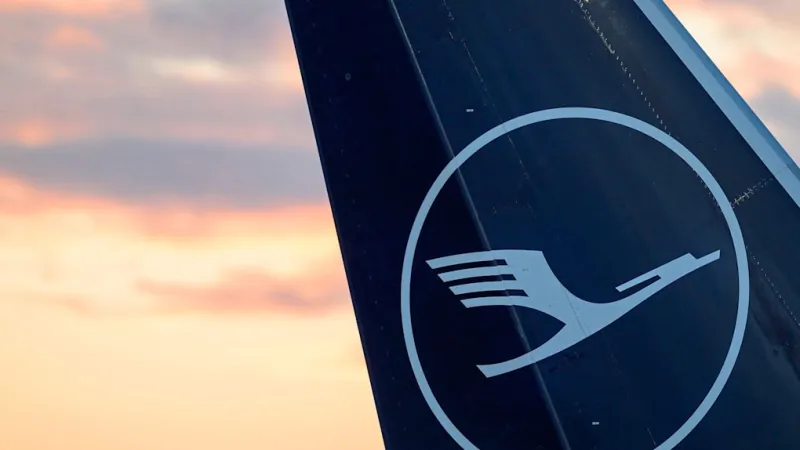
FRANKFURT, Germany – Lufthansa has initiated the activation of Starlink satellite internet on a selection of its flights, marking a significant upgrade to airborne connectivity. Initial tests, conducted by WELT, reveal that the new service delivers speeds surpassing typical home internet connections, fundamentally altering the experience of flying above the clouds. However, this advancement arrives accompanied by apprehension among some travelers regarding the potential for inconsistent service, reminiscent of unreliable train Wi-Fi conditions.
The WELT publication detailed its extensive testing, confirming that passengers can now expect robust bandwidth, enabling seamless streaming, video calls, and complex work tasks previously unfeasible at 35,000 feet. This stark improvement represents a paradigm shift from the often sluggish and expensive internet options historically available on commercial flights.
Starlink, a satellite internet constellation operated by SpaceX, promises global broadband coverage by deploying thousands of small satellites in low Earth orbit. This technology is designed to offer high-speed, low-latency internet access, particularly beneficial in remote areas and, increasingly, on moving platforms like aircraft and maritime vessels.
For years, airlines have grappled with providing adequate internet access, often relying on geostationary satellites that suffer from higher latency and limited bandwidth due to their greater distance from Earth. Lufthansa's adoption of Starlink signals a decisive move towards next-generation solutions.
The apprehension regarding inconsistent service stems from common frustrations with public transit Wi-Fi, which frequently experiences dropouts, slow speeds, and capacity issues when many users connect simultaneously. Critics question whether Starlink, despite its capabilities, can maintain consistent, high-performance service across an entire aircraft full of demanding users.
Enhancing in-flight connectivity is crucial for modern travelers, who increasingly expect to remain productive or entertained during flights. This upgrade could significantly boost passenger satisfaction, especially for business travelers for whom reliable internet is a necessity rather than a luxury.
This rollout aligns with Lufthansa's broader strategy to modernize its fleet and passenger services, positioning itself at the forefront of technological integration in aviation. The airline aims to provide a premium and seamless digital experience from gate to gate.
Other airlines are also exploring or implementing advanced in-flight internet solutions. Lufthansa's early adoption of Starlink could provide a competitive advantage, attracting travelers who prioritize connectivity. The race to offer the best in-flight experience continues to drive innovation within the aviation sector.
Integrating Starlink hardware into aircraft involves complex engineering and regulatory approvals. The specialized terminals on the aircraft fuselage communicate with Starlink's satellite network, ensuring a continuous, high-speed link as the plane traverses different satellite beams.
The success of Starlink on Lufthansa flights could set a new benchmark for the entire industry. Should the system prove consistently reliable, it may accelerate the widespread adoption of low Earth orbit satellite internet for air travel, potentially rendering traditional in-flight internet solutions obsolete.
Starlink is a flagship project of SpaceX, the aerospace manufacturer founded by Elon Musk. SpaceX's aggressive deployment of its satellite constellation not only serves consumer broadband needs but also facilitates partnerships with major global entities like Lufthansa. This ambition extends beyond commercial internet, as NASA recently confirmed a SpaceX rocket impact created a new lunar crater, showcasing the company's far-reaching impact in space exploration.
The economic implications for airlines are substantial. While the initial investment in Starlink technology is considerable, the potential for increased customer loyalty, new revenue streams through premium internet packages, and enhanced operational efficiency could yield significant returns. The aviation industry watches closely to see if these benefits outweigh the investment and perceived risks.