Chandra Wijayanto
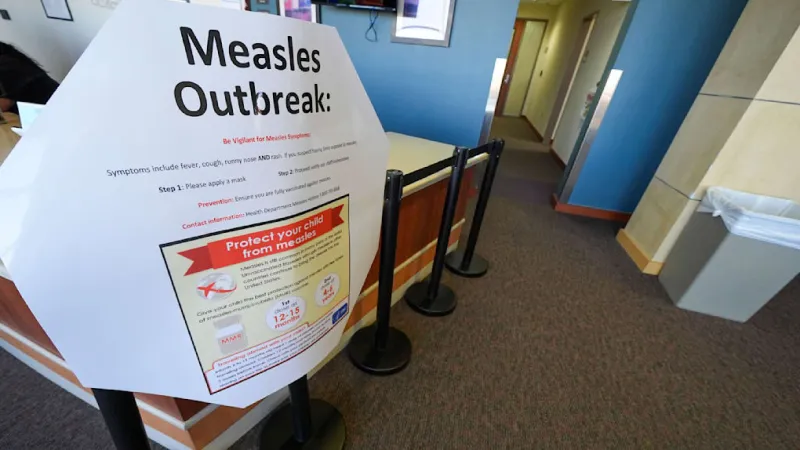
UNITED STATES – Three Americans died of measles this week amid a burgeoning national outbreak that has documented 5,200 cases, placing intense scrutiny on Health Minister Robert Kennedy Jr. His longstanding questioning of vaccine efficacy is now a central point of public and political debate as the highly contagious disease claims lives.
The swift succession of fatalities highlights a troubling public health challenge. Health authorities grapple with containing a virus once considered nearly eradicated in the United States, a success largely attributed to widespread vaccination programs.
The recent deaths follow a period of escalating measles incidence across several states. Public health officials are urging immediate action to curb the spread, emphasizing vaccination as the most effective preventative measure against the disease.
Health Minister Kennedy, appointed to his cabinet position in President Donald Trump's administration, has consistently voiced reservations about the safety and necessity of certain vaccinations over many years. His past statements, which often suggest a link between vaccines and various health conditions, are resurfacing prominently in news cycles and social media.
Critics argue that such views from a high-ranking public health official undermine trust in established medical science and contribute to vaccine hesitancy, directly impacting community immunity. Medical experts nationwide are reinforcing the consensus that vaccines are safe and critical for public health.
The Centers for Disease Control and Prevention (CDC) has repeatedly affirmed the safety and effectiveness of the measles, mumps, and rubella (MMR) vaccine. It asserts that widespread immunization is essential to prevent large-scale outbreaks and protect vulnerable populations, including infants and immunocompromised individuals.
The current outbreak represents a significant setback in public health achievements. Measles, characterized by fever, cough, runny nose, and a distinctive rash, can lead to severe complications such as pneumonia, encephalitis, and even death, especially in young children and those with weakened immune systems.
Public health agencies are now redoubling efforts to encourage vaccination, organize community clinics, and disseminate accurate information about measles and its prevention. The challenge is compounded by persistent misinformation circulating online, which can sway public opinion away from conventional medical advice.
Lawmakers and advocacy groups are calling for the Health Minister to clarify his stance on vaccines, particularly in light of the mounting death toll and case numbers. The pressure on Kennedy is expected to intensify as the crisis continues to unfold, potentially shaping future public health policy and vaccine mandates.
The resurgence of measles serves as a stark reminder of the importance of maintaining high vaccination rates. Historically, herd immunity has been instrumental in protecting communities, but this protective barrier erodes when vaccination coverage declines.
This crisis also opens a broader conversation about the role of government officials in public health messaging and the delicate balance between individual liberties and collective well-being. The implications extend beyond the current outbreak, touching upon the future direction of national health strategies.
As public health professionals work tirelessly to contain the virus, the national spotlight remains fixed on the Health Minister and the administration's response to a growing epidemic that threatens to unravel decades of progress in disease control.