 Demian Sahputra

In a somber development, a man was fatally shot in Maine yesterday during an encounter that involved U.S. Immigration and Customs Enforcement (ICE) agents, an incident that stands as the second death of its kind within a few days. Authorities have confirmed the Federal Bureau of Investigation (FBI) is expected to respond to the scene to commence an independent inquiry into the circumstances surrounding the deadly confrontation.
The shooting, which occurred at an undisclosed location in Maine, immediately triggered a federal response protocol. Details surrounding the identity of the deceased, the specific sequence of events leading to the shooting, and the identities of the ICE agents involved remain under wraps as the preliminary investigation unfolds.
The swift involvement of the FBI is standard procedure for any incident where federal law enforcement officers are involved in a use-of-force event resulting in death or serious injury. Their role is to ensure an impartial and thorough investigation into the actions taken by federal agents.
This incident takes on added gravity as it follows closely on the heels of another fatal shooting involving ICE agents just days prior. The proximity of these two events raises questions regarding operational procedures and agent encounters, drawing increased scrutiny from the public and advocacy groups.
U.S. Immigration and Customs Enforcement is a primary investigative agency of the U.S. Department of Homeland Security, responsible for enforcing federal laws governing border control, customs, trade, and immigration to promote homeland security and public safety. Their operations often involve interactions with individuals suspected of various offenses.
Federal law enforcement agencies operate under strict use-of-force policies that mandate agents use only the necessary force required to effect an arrest, prevent escape, or overcome resistance. Deadly force is generally authorized only when an agent has a reasonable belief that the subject poses an imminent threat of death or serious physical injury to the agent or others.
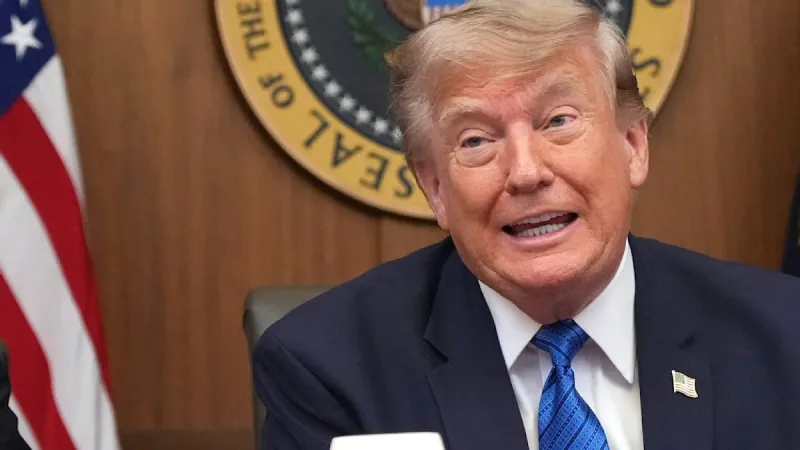
The President Donald Trump administration has consistently advocated for robust immigration enforcement and border security, empowering agencies like ICE to carry out their missions. Such incidents, however, invariably reignite national debates concerning accountability and oversight of federal law enforcement.
Local authorities in Maine are cooperating fully with federal investigators, providing any necessary support to secure the scene and facilitate the collection of evidence. The full extent of local law enforcement participation in the initial confrontation has not yet been detailed.
Community leaders and civil rights organizations are expected to call for transparency and a thorough accounting of the events. The repeated nature of these incidents within such a short timeframe is likely to prompt public demonstrations and demands for answers regarding ICE operations in the region.
The FBI investigation will meticulously examine all available evidence, including witness statements, forensic findings, ballistic reports, and any available video or audio recordings. This comprehensive approach is crucial for determining whether agents adhered to established protocols and federal guidelines.
While details are sparse, the incidents highlight the inherently dangerous nature of law enforcement work, particularly when agents encounter individuals who may be resistant or armed. The safety of both agents and the public remains a paramount concern during these complex operations.
The incident in Maine adds to a broader national discourse surrounding law enforcement interactions and the use of force, a topic frequently highlighted by various public safety challenges. Recent crackdowns on organized crime, such as the arrests in Italy following the Milan Station Murder, underscore the complex and often dangerous environments in which law enforcement operates globally.
Federal prosecutors will ultimately review the findings of the FBI investigation to determine if any criminal charges are warranted against the agents involved. Concurrently, ICE will conduct its own internal administrative review to assess compliance with agency policies and procedures.
As the investigation progresses, more information is anticipated to be released to the public, offering a clearer picture of the tragic events that transpired. This period of waiting is often fraught with speculation and heightened tensions within affected communities.
Officials have urged the public to refrain from premature conclusions, emphasizing the need for the investigative process to run its course without interference. The integrity of the inquiry depends on a methodical and unbiased examination of all facts.
The outcome of this federal investigation will have significant implications not only for the agents involved but also for the future operational guidelines and public perception of ICE activities across the nation. The transparency of this process is critical for maintaining public trust in federal agencies.