 Edward DP Situmorang
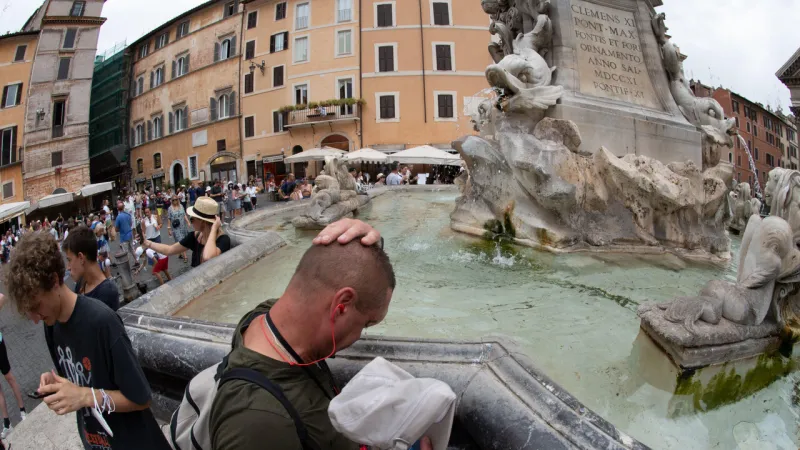
Mediterranean Europe is currently witnessing a profound shift in tourist perceptions, as persistent and intense heatwaves redefine the traditional summer holiday experience. These soaring temperatures are not merely an inconvenience; they are actively reshaping travel patterns and revealing distinct national responses, with French visitors often exhibiting greater sensitivity compared to their more stoic American counterparts.
The widespread heat events, which have become a recurrent feature of recent summers, are prompting a reevaluation among travelers about the most opportune times and destinations for European vacations. While the allure of historic cities and sun-drenched coasts remains strong, the physical toll of extreme heat is increasingly influencing booking decisions and on-the-ground experiences.
Observers note a particular vulnerability among French tourists to these heightened thermal conditions. Many French visitors, accustomed to milder summer climates at home or in traditional holiday spots, find the unrelenting heat of southern Europe challenging. This sensitivity often translates into shorter sightseeing excursions, increased time spent indoors, and a palpable frustration with the intensity of the sun.
Conversely, American tourists, perhaps more acclimatized to varied and often extreme weather conditions within the United States, appear to demonstrate a comparatively greater resilience. Their perceived stoicism allows them to navigate the scorching temperatures with a degree of endurance that differentiates them from some European visitors, continuing with itineraries despite the discomfort.
This dichotomy is not merely anecdotal; it reflects broader cultural and physiological adaptations to climate. As global warming advances, these subtle differences in how nationalities cope with heat stress could have significant implications for the tourism economies of countries like Italy, Greece, and Spain.
The implications extend beyond individual comfort. Local businesses, from tour operators to restaurateurs, are beginning to grapple with the need to adapt their services. Siestas are becoming longer, water consumption at attractions has surged, and the demand for air-conditioned accommodations is at an all-time high.
Such environmental pressures highlight the urgent need for enhanced climate adaptation strategies across the continent. Efforts to mitigate the heat are emerging in various sectors; for instance, measures such as providing 50,000 coolers to French schools underscore the broader societal challenge posed by rising temperatures.
Governments and tourism boards are faced with the complex task of promoting their regions while ensuring visitor safety and comfort. This might involve encouraging shoulder-season travel, developing more indoor attractions, or investing in green infrastructure to provide urban cooling.
The economic ramifications are considerable. A substantial portion of southern European GDP relies on summer tourism. If heatwaves continue to deter segments of the market or force operational changes, the financial impact could be profound, necessitating innovative solutions to maintain appeal.
The evolving climate narrative compels the tourism industry to innovate, offering new experiences that balance the appeal of the Mediterranean with the realities of a warming planet. The perception of summer in Europe is undeniably changing, urging a rethinking of how the continent welcomes its millions of annual visitors.