 Chandra Wijayanto
Nazca, Peru – A tragic aerial tour over Peru's iconic Nazca Lines concluded fatally when a small aircraft carrying 13 individuals, including 11 foreign tourists from Germany, Italy, and Spain, reported an in-flight emergency before crashing. All passengers and crew aboard perished in the recent incident, initiating a comprehensive investigation by Peruvian aviation authorities.
Among the deceased were two German nationals, whose identities are being withheld pending full family notification, along with tourists from Italy and Spain. The remaining two victims are believed to be the Peruvian pilot and co-pilot, though official confirmation is still awaited from local emergency services.
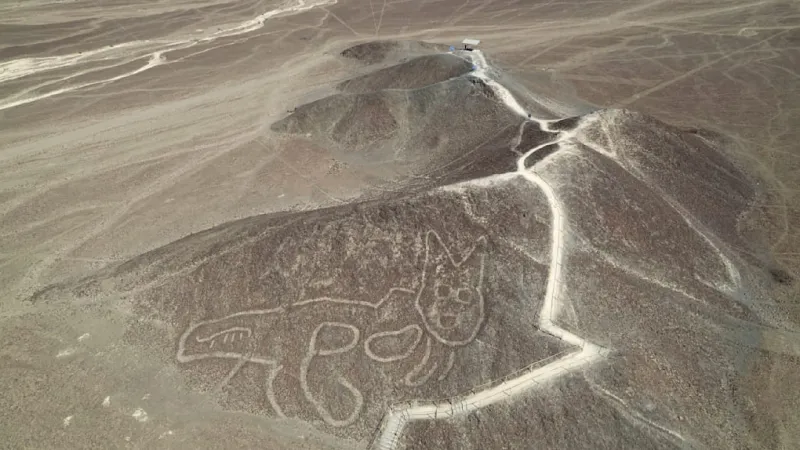
The aircraft, engaged in a standard sightseeing circuit over the UNESCO World Heritage site, issued a distress signal shortly before its descent. Air traffic controllers at Maria Reiche Newman Airport in Nazca reportedly received the emergency communication, after which contact with the plane was lost. The wreckage was subsequently located in a remote desert area near the historic geoglyphs.
Rescue teams, comprising police, firefighters, and military personnel, rapidly deployed to the crash site. The challenging desert terrain and the remote location complicated initial recovery efforts, though all 13 bodies have since been retrieved and transported for identification and forensic examination.
Peru's Civil Aviation Directorate (DGAC) has launched an exhaustive inquiry to ascertain the precise cause of the Nazca Lines tour plane crash. Investigators will examine the aircraft's maintenance records, pilot qualifications, prevailing weather conditions, and the distress call details to determine contributing factors.
Aerial tours provide the most comprehensive viewing experience of the ancient Nazca Lines, enormous geoglyphs etched into the desert floor by the Nazca culture between 500 B.C. and A.D. 500. These tours are a significant draw for international tourism, generating substantial revenue for the region.
This latest tragedy echoes previous safety concerns surrounding tour operations in the Nazca region. A similar fatal incident occurred some years ago when another tour plane crashed, claiming the lives of seven Italian nationals. For more details on that previous event, see Deadly Nazca Lines Tour Plane Crash Kills Seven Italians. Such incidents have periodically prompted calls for stricter regulatory oversight of small charter flights.
Peruvian government officials expressed profound sorrow following the disaster. The Ministry of Transport and Communications issued a statement extending condolences to the victims families and affirming a commitment to a transparent and thorough investigation. International embassies, including those of Germany, Italy, and Spain, are working closely with Peruvian authorities to assist their respective citizens.
The incident casts a pall over Peru's vital tourism sector, particularly in the Nazca region which relies heavily on visitors drawn to the mysterious geoglyphs. While authorities emphasize that safety protocols are routinely reviewed, this crash will undoubtedly prompt renewed scrutiny of aviation standards for scenic flights.
Expressions of sympathy have begun to arrive from around the globe, highlighting the international nature of the tragedy. Diplomats are facilitating communication with affected families, many of whom are now making arrangements to travel to Peru.
As the investigation progresses, preliminary findings are expected in the coming weeks. The focus will remain on preventing future occurrences and ensuring the safety of tourists visiting Peru's invaluable archaeological sites. This tragic Nazca Lines plane crash underscores the inherent risks associated with small aircraft operations, even in popular tourist destinations.