 Stefani Rindus
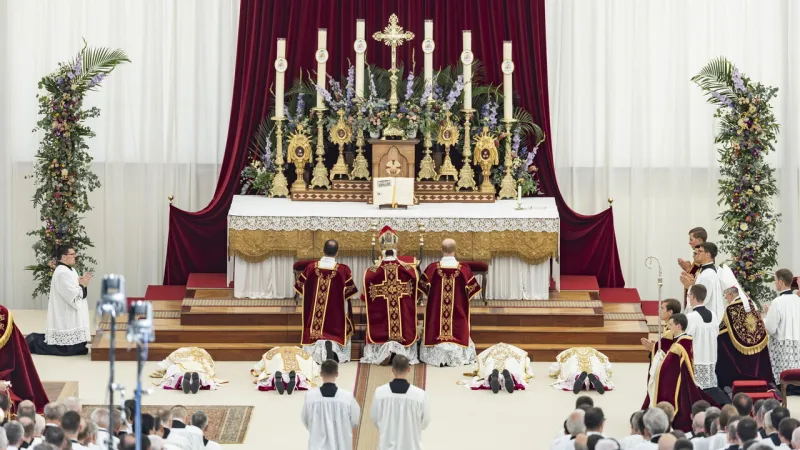
ROME – In a profound act of ecclesiastical defiance, the traditionalist Society of Saint Pius X, commonly known as the Lefebvrists, has proceeded with the illicit consecration of new bishops, directly rejecting an appeal from the reigning pontiff. This unilateral action immediately triggers a formal schism within the Roman Catholic Church, echoing the canonical rupture that occurred 38 years ago on June 30, 1988, which led to the excommunication of their founder, Archbishop Marcel Lefebvre, by Pope John Paul II. The move signals a deep entrenchment of the traditionalist faction, seemingly closing avenues for reconciliation that had been pursued by previous pontiffs.
The Vatican had issued a clear injunction against these ordinations, emphasizing the grave canonical consequences associated with such unauthorized acts. Despite the explicit warnings and overtures for dialogue, the Society pressed ahead, asserting its right to maintain what it perceives as the authentic Catholic tradition in the face of modernizing reforms. This latest development underscores the deep ideological chasm separating the traditionalist movement from the mainstream Church.
The historical precedent of 1988 remains a pivotal moment. On June 30 of that year, Archbishop Marcel Lefebvre consecrated four bishops against the express will of Pope John Paul II. This act resulted in the automatic excommunication of Lefebvre and the four newly consecrated bishops, a decree later extended to the members of the Society of Saint Pius X by the Congregation for the Doctrine of the Faith. It marked the most significant schism in the Catholic Church since the Old Catholic Church split in the late 19th century.
For decades, the status of the Society of Saint Pius X has been a complex challenge for the Holy See. Pope Benedict XVI, known for his theological conservatism, made significant efforts to heal the rift. In 2007, he issued the motu proprio Summorum Pontificum, allowing wider use of the Traditional Latin Mass, a key desire of the Lefebvrists. Two years later, in 2009, he lifted the excommunications of the four surviving bishops consecrated by Archbishop Lefebvre in 1988, in a gesture aimed at facilitating full communion.
These gestures, however, were not sufficient to bridge the doctrinal differences. The Society continued to demand full recognition of their positions on Vatican II and subsequent liturgical reforms, refusing to accept certain aspects of contemporary Church teaching. The current Pope has maintained a stance of cautious dialogue, but always with the expectation of full adherence to the magisterium.
The consecration of bishops without a pontifical mandate is considered one of the gravest offenses in canon law. It incurs automatic excommunication for both the consecrating bishops and those receiving the consecration. This spiritual penalty signifies a complete separation from the communion of the Church, denying access to sacraments and church office.
Observers within the Vatican indicate that the Pope and his advisors had exhausted all diplomatic avenues prior to this latest action. Appeals for unity, discussions regarding theological points, and offers of canonical regularization were apparently met with an unwavering resolve from the Lefebvrist leadership to proceed with their chosen course, prioritizing their interpretation of tradition over papal authority.
This renewed schism presents a stark challenge to the reigning pontiff's vision for Church unity and dialogue. While relatively small in number compared to the global Catholic population, the Lefebvrists represent a persistent ideological current that rejects modern developments and seeks a return to pre-Vatican II norms. Their influence extends beyond their immediate adherents, inspiring other traditionalist groups.
The ramifications of this defiance extend beyond mere theological debate. It sends a message of dissent and fragmentation at a time when the Catholic Church faces numerous internal and external pressures. The renewed schism highlights the ongoing tension between tradition and modernity within one of the world's largest religious institutions.
While the Catholic Church often takes a measured approach to such events, the canonical consequences of these unauthorized episcopal ordinations are immediate and unequivocal. The path to reconciliation, which had been tenuously open, now appears significantly more challenging, if not entirely closed for the foreseeable future, as the Lefebvrist movement solidifies its independent course.
The Society of Saint Pius X maintains that their actions are not schismatic but rather a necessary measure to preserve the Catholic faith from what they perceive as errors within the modern Church. They often cite a perceived state of necessity to justify their disregard for canonical norms, arguing that the Church itself is in crisis, and therefore they must act independently to safeguard tradition. This argument, however, is consistently rejected by the Holy See.
Religious historians point to the inherent difficulty in bridging such deep ideological divides once a definitive break occurs. While Pope John Paul II initiated the original excommunication, Pope Benedict XVI demonstrated a pastoral willingness to heal, lifting the excommunications in 2009. This recent act by the Lefebvrists suggests that even these significant gestures of goodwill were insufficient to overcome their foundational disagreements with Rome.