 Angela Stefani
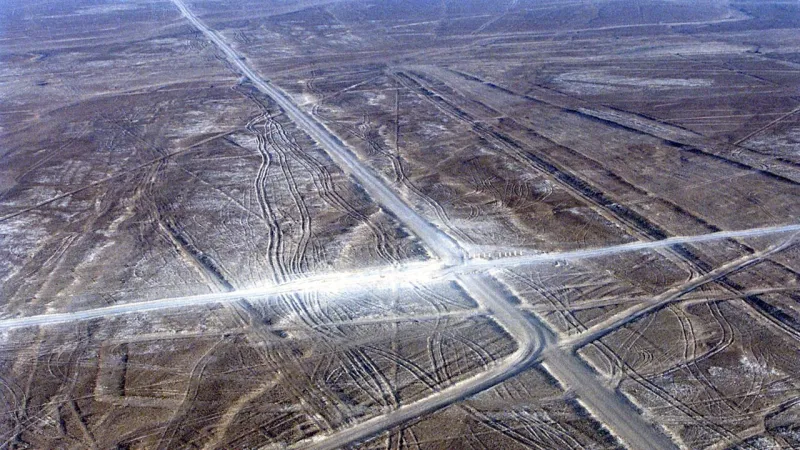
A tragic small plane crash over Peru's revered Nazca Lines claimed the lives of seven Italian tourists recently. Authorities swiftly launched an investigation into the incident, with preliminary assessments pointing to sudden, strong wind gusts as a potential contributing factor to the disaster. The tourists were undertaking a popular aerial tour of the enigmatic geoglyphs when the aircraft went down.
The single-engine Cessna 207, operated by a local air service, crashed shortly after takeoff from the Nazca airdrome. On board were the seven Italian passengers and two Peruvian crew members, both of whom also perished in the catastrophic event. Rescue teams immediately responded to the remote desert location, but all nine individuals were confirmed deceased at the scene.
The identities of the Italian victims were released by the Peruvian Foreign Ministry following notification of their respective families. This profound loss sent shockwaves through both the Italian diplomatic community and Peru's burgeoning tourism sector, particularly impacting operators specializing in Nazca Lines flights.
Peru's Ministry of Transport and Communications, through its General Directorate of Civil Aeronautics (DGAC), initiated a comprehensive inquiry into the Peru plane crash. Aviation experts are examining flight recorders, wreckage, and air traffic control communications to reconstruct the final moments of the aircraft. Focus remains on meteorological conditions.
Local aviation officials indicated that the Nazca region, while generally stable, can experience unpredictable and powerful wind shear, especially during specific times of day. Investigators are analyzing weather data and pilot reports from other flights conducted around the same timeframe to ascertain the exact atmospheric conditions at the time of the Nazca Lines plane crash.
The incident has reignited discussions regarding the safety protocols and regulatory oversight of sightseeing flights over the Nazca Lines. These flights are a cornerstone of regional tourism, offering unparalleled views of the UNESCO World Heritage site's ancient designs etched into the desert floor.
The Nazca Lines are a series of ancient geoglyphs in the Nazca Desert, created by the Nazca culture between 500 BC and 500 AD. They depict various animal figures and geometric shapes, visible only from an aerial perspective. This unique vantage point has made flights over the lines a highly sought-after tourist experience for decades.
While generally considered safe, small aircraft operations in rugged or high-altitude terrain can present inherent risks. Aviation records show occasional minor incidents or forced landings in the region, but this recent Peru plane crash ranks among the most severe in recent memory, particularly due to the high fatality count involving international tourists.
The Italian Embassy in Lima expressed deep sorrow and confirmed it was providing full consular assistance to the victims families. Peruvian President Dina Boluarte issued a statement offering condolences and pledging a thorough investigation to prevent future tragedies.
Local tourism operators voiced their condolences and concerns about the potential long-term effects on visitor numbers to the Nazca region. They emphasized their commitment to safety, often highlighting strict maintenance schedules and experienced pilot training.
The DGAC affirmed its dedication to reviewing and, if necessary, strengthening current safety regulations for all aerial tour operators. This review will encompass aircraft age limits, pilot experience requirements, and enhanced meteorological data integration for pre-flight briefings.
Such incidents, while tragic, underscore the inherent risks associated with adventure tourism, particularly in regions with challenging geographical or meteorological conditions. International aviation bodies often work with local authorities to share best practices and technical expertise following significant accidents.
As the investigation proceeds, the global tourism community awaits definitive answers. The focus remains on understanding the precise sequence of events that led to the Nazca Lines plane crash and implementing any necessary changes to bolster passenger safety for future visitors to this iconic Peruvian landmark.