 Debby Wijaya
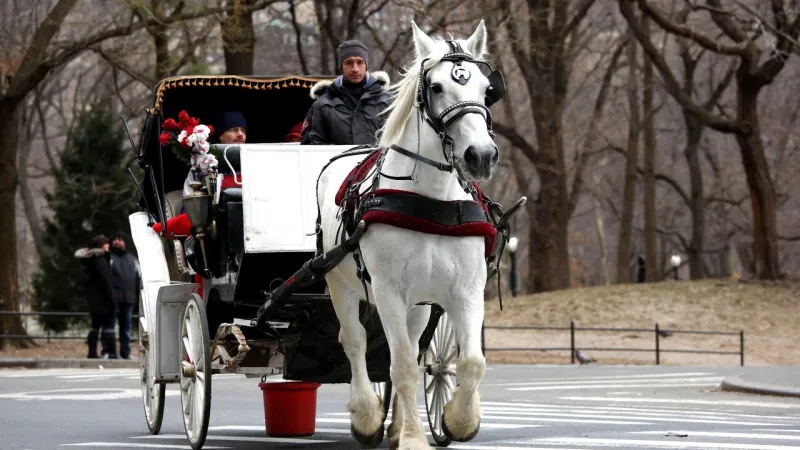
A landmark legislative proposal in New York City is set to conclude the 165-year-old tradition of horse-drawn carriages in Central Park, with a law anticipated to take effect by 2028. This move follows decades of contentious debate and persistent advocacy from animal welfare organizations regarding the welfare of the working horses.
The iconic carriages have been a staple of New York tourism since the mid-19th century, offering visitors a nostalgic view of Central Park. For generations, they have been portrayed in popular culture as a symbol of the citys charm and romantic allure, drawing countless tourists annually.
However, this long-standing practice has also been a focal point of intense controversy. Animal rights activists contend that the urban environment, traffic, and demanding work conditions are detrimental to the horses physical and psychological well-being.
Critics cite concerns about horses working in extreme weather, navigating dense city traffic, and living in stables that some deem inadequate. PETA, the ASPCA, and numerous local groups have led sustained campaigns, organizing protests and lobbying city hall for a ban, often highlighting incidents of horses collapsing or being involved in accidents.
Operators of the horse carriage industry vehemently oppose the ban, arguing that their horses receive top-tier care, including regular veterinary check-ups, ample food, and spacious stabling facilities. They emphasize the deep bond between the drivers and their animals, portraying the horses as well-cared-for companions rather than mere labor.
Furthermore, the industry highlights the significant economic impact of a ban, pointing out that it would eliminate hundreds of jobs for drivers, stable hands, and other support staff. Many operators have generational ties to the business, asserting that it represents a crucial part of their heritage and livelihood.
The current legislative push represents the strongest effort yet to phase out the Central Park horse carriages. Proponents of the ban in the City Council, backed by a coalition of advocacy groups, have garnered sufficient political momentum to advance the proposed law. The precise details of the legislation are still being finalized, but the intent to ban the practice is clear.
Discussions are expected to include potential transition plans for the affected carriage drivers and stable owners. Previous proposals have suggested replacing the horse-drawn carriages with electric vintage-style vehicles, offering an alternative for maintaining the tourist attraction while addressing animal welfare concerns. This option often faces resistance from traditionalists and carriage operators who argue it lacks the authentic experience.
While specific mayoral statements concerning this latest legislative iteration are pending, the advancement of such a significant proposal typically reflects a broader shift in public sentiment and political will. City leaders are often caught between preserving historical traditions and responding to evolving ethical standards and advocacy pressures.
Debates surrounding the Central Park horse carriages are not new; they have flared periodically over many decades. Each time, they reignite passionate arguments from both sides, pitting historical preservation and economic livelihood against animal rights and modern ethical standards.
If enacted, the ban will fundamentally alter a familiar aspect of New York Citys landscape and tourist experience. It would mark a significant victory for animal welfare advocates nationwide, potentially setting a precedent for similar movements in other cities where horse-drawn carriage tours operate.
As 2028 approaches, the city prepares for a dramatic shift, bidding farewell to an enduring, albeit controversial, symbol. The final legislative steps will usher in a new era for Central Park, redefining how visitors experience its beauty without the presence of the iconic horse-drawn carriages.