 Stefani Rindus
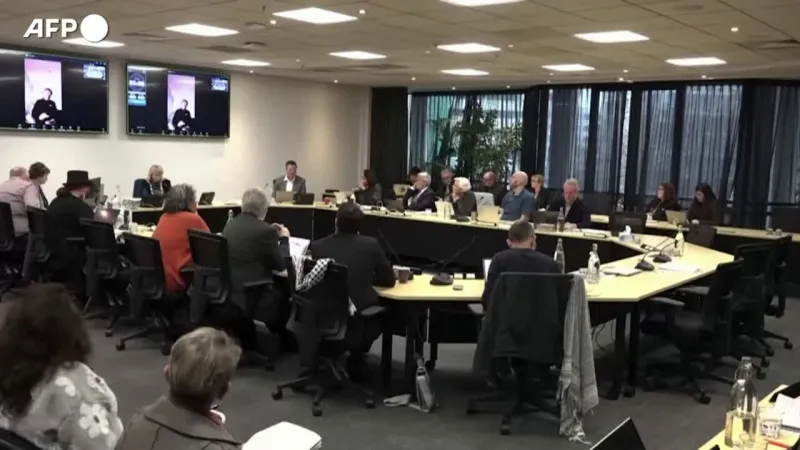
New Zealand—A local councilor recently garnered significant public attention and sparked a discussion about professional decorum in the digital age when she participated in an official virtual meeting from her bathroom, with her personal laundry openly visible behind her. The incident, which occurred during a recent online session, quickly circulated, prompting a candid remark from the elected official herself.
The councilor, whose identity was widely recognized, was observed by fellow participants and subsequently the broader public in an unconventional setting for a legislative session. This occurrence highlights the ongoing challenges and sometimes humorous pitfalls inherent in the widespread adoption of remote work environments, especially for public servants.
Upon realizing the visibility of her domestic background, the councilor reportedly addressed the matter directly. Her pragmatic response, translated from the original statement, emphasized priorities: “The important thing is that you see me, you can also see my laundry.” This statement swiftly became a focal point for online commentary and media coverage.
The incident underscores the blurring lines between personal and professional spaces that virtual communication platforms have ushered in. As governments and organizations worldwide continue to leverage digital tools for meetings and collaboration, the standards for appropriate backdrops and professional presentation remain subjects of informal debate.
While some observers viewed the event with amusement, others raised questions regarding the level of professionalism expected from elected officials, even when operating outside traditional office settings. The ease with which private environments become public showcases in virtual formats necessitates a renewed consideration of digital etiquette.
This episode in New Zealand mirrors similar occurrences globally where individuals in prominent positions have inadvertently revealed aspects of their private lives during public virtual engagements. From pets interrupting broadcasts to family members making impromptu appearances, such moments have become a hallmark of the remote work era.
The councilor's frank acknowledgment of her surroundings provided a layer of transparency that resonated with many who grapple with balancing work and home life. Her approach suggested a focus on the content of the meeting rather than the aesthetics of her immediate environment.
However, the visibility of domestic clutter, such as laundry, raises broader discussions about public image and the implicit messages conveyed through non-verbal cues in professional contexts. For public figures, every detail, intended or not, can contribute to public perception.
The increasing reliance on digital platforms for governance has also led to heightened scrutiny of politicians' online conduct, a theme echoed in debates surrounding official communication access, such as Italy's Center-Right Blocks Delmastro Chat Access Amid Opposition Fury. Such instances reinforce the need for clear guidelines or a collective understanding of appropriate conduct in virtual public forums.
As societies navigate the sustained integration of digital meetings into daily operations, the balance between authenticity and professionalism will undoubtedly continue to evolve. The New Zealand councilor's unique remote meeting scenario serves as a memorable illustration of these contemporary challenges, sparking both laughter and serious reflection on modern political life.
The incident, while seemingly minor, offers a cultural snapshot of 2026, where even the most mundane domestic details can unexpectedly enter the public sphere, transforming a routine council meeting into a subject of global conversation. It highlights the pervasive nature of virtual interactions and their capacity to reshape public expectations of decorum.