 Dorry Archiles
Doha, Qatar – Morocco's Azzedine Ounahi, instrumental in their historic World Cup elimination of co-host Canada, faces significant debate regarding a contentious incident during the match that many analysts contend should have led to his expulsion from the game. The pivotal moment occurred before Ounahi netted two crucial goals, igniting widespread discussion among football pundits and fans alike over the fairness of the outcome.
The Atlas Lions secured a decisive victory, propelling them into the World Cup knockout stage and marking a memorable chapter in Moroccan football history. This triumph also meant an early exit for Canada, a result that has now been overshadowed by post-match officiating scrutiny.
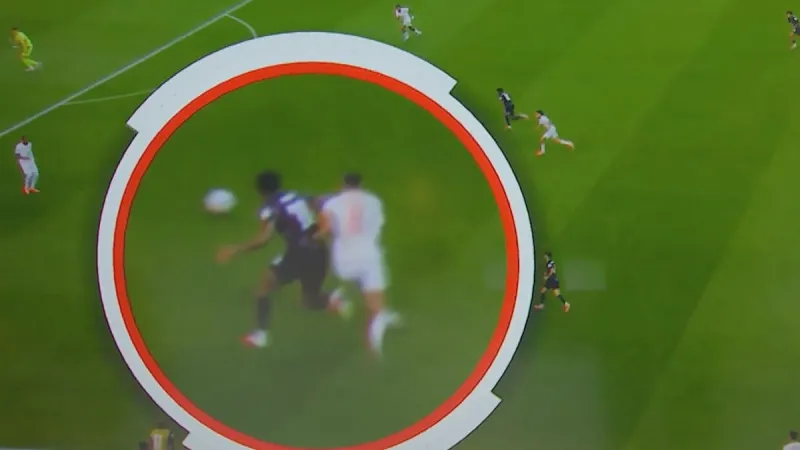
At the heart of the controversy is a challenge involving Azzedine Ounahi, occurring early in the match. Critics argue that the nature of the tackle warranted a red card, which would have drastically altered the complexion of the contest. The referee, however, opted for a lesser sanction, allowing the midfielder to remain on the pitch.
This decision gained particular prominence because Ounahi subsequently scored two pivotal goals, cementing Morocco's win. Had he been dismissed, Canada would have enjoyed a numerical advantage for a significant portion of the game, potentially shifting the momentum and ultimately the final score.
Football analysts across various networks swiftly highlighted the incident, with many former professional referees weighing in on the interpretation of the laws of the game. A consensus among some experts emerged, suggesting that the challenge met the criteria for serious foul play.
Conversely, supporters of the referee's decision pointed to the on-field discretion and the potential for subjective interpretation. Moroccan fans largely dismissed the claims, celebrating their team's hard-fought victory and Azzedine Ounahi's standout performance.
Beyond the disputed moment, Ounahi delivered a masterful display of midfield dominance. His two goals were not merely fortuitous but demonstrated clinical finishing and an acute understanding of offensive positioning, solidifying his role as a key player for the Atlas Lions.
Morocco's advancement to the quarterfinals represents a remarkable achievement, building on a resilient team effort throughout the tournament. The squad demonstrated tactical discipline and individual brilliance, captivating audiences worldwide with their dynamic play. Readers can find more details on their historic qualification in Morocco Dominates Canada, Secures Historic World Cup Quarterfinal Berth.
The incident has inevitably rekindled debates surrounding the efficacy and consistency of Video Assistant Referee (VAR) interventions. While VAR is designed to correct clear and obvious errors, its application in this specific scenario has left many questioning the boundaries of its implementation.
The Canadian camp, while gracious in defeat, has remained largely diplomatic regarding the officiating. However, the lingering question of what might have been, had the decision gone differently, undoubtedly casts a shadow over their World Cup campaign. For background on their encounter, see Canada Confronts Morocco in Intense World Cup Knockout Battle.
Such contentious moments underscore the immense pressure on World Cup referees and the critical impact their split-second decisions can have on national aspirations and tournament trajectories. Each controversial call becomes a talking point, shaping narratives long after the final whistle.
Morocco now prepares for its next formidable opponent in the knockout stage, carrying the weight of national expectation and the momentum of their historic run. The focus will undoubtedly shift to their tactical preparations, though the debate around Azzedine Ounahi's incident may persist in the background. The team's unity was previously highlighted in Morocco's Halftime Tunnel Pact: the Secret to World Cup Triumph.