 Chandra Wijayanto
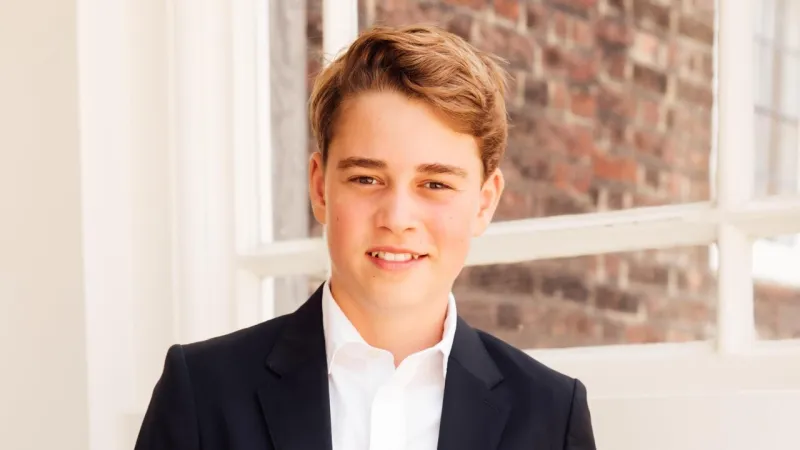
Prince George, the eldest son of William, heir to the British throne, marks his 13th birthday today, signifying a pivotal moment in his progression towards future royal duties. The milestone is celebrated with the release of a new official portrait and coincides with preparations for his enrollment at the prestigious Eton College, a boarding school renowned for educating generations of the British elite, including his father and uncle.
This autumn, Prince George is expected to join the ranks of students at Eton, situated near Windsor Castle. The institution, steeped in centuries of tradition, provides an education largely focused on academic rigor and the development of leadership skills, attributes considered essential for a future monarch. His attendance continues a familial legacy, reinforcing a long-standing connection between the Royal Family and the esteemed public school.
As third in line to the throne, following his grandfather King Charles III and his father Prince William, the young royal's formative years attract considerable public and media scrutiny. Every step in his education and personal development is viewed through the lens of his eventual role as Head of State and supreme governor of the Church of England.
His parents, William and Catherine, Princess of Wales, have consistently sought to balance his royal upbringing with as normal a childhood as possible, a challenge inherent to their unique position. Their approach aims to shield their children from excessive public intrusion while gradually introducing them to their future responsibilities.
The newly released photograph, depicting Prince George in a more mature, reflective pose, captures his transition from childhood to adolescence. Such official portraits serve not merely as birthday mementos but as carefully curated glimpses into the life of the monarchy, reflecting the evolving public image of its younger members.
Eton College's curriculum extends beyond conventional academic subjects, emphasizing character building, sports, and extracurricular activities designed to foster well-rounded individuals. For Prince George, this environment will likely provide a robust platform for intellectual and personal growth, albeit within the confines of his royal destiny.
The decision to send Prince George to Eton aligns with the educational paths chosen for many male members of the Royal Family, signaling a continuation of tradition while also preparing him for the demands of modern kingship. His time there will be a crucial period of learning and development away from the more immediate gaze of the public eye.
Royal observers suggest that the transition to Eton represents a significant step in the deliberate preparation of Prince George for his constitutional role. It signifies a shift from the relative privacy of his earlier schooling to a more structured, albeit still discreet, educational phase that prepares him for national service.
The future King's siblings, Princess Charlotte and Prince Louis, will also navigate their own educational journeys, though their paths may differ given their respective positions in the line of succession. Their collective upbringing under William and Catherine aims to instill a strong sense of duty and public service.
The public continues to follow the milestones of Prince George with keen interest, viewing his growth as a barometer for the enduring relevance and future stability of the monarchy. His 13th birthday and impending enrollment at Eton are not just personal events but national moments reflecting the continuous narrative of the British Royal Family.