 Robert Andrison
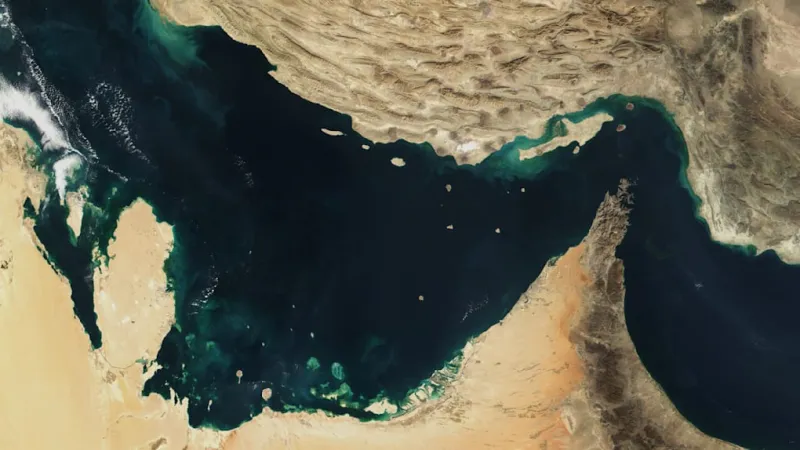
Doha, Qatar - Qatar has unequivocally rejected allegations from Iran asserting the capture of Iranian military pilots within its territory. Qatari authorities instead revealed that their own air force jets intercepted Iranian aircraft in Qatari airspace, leading to a confrontation during which only the body of one deceased pilot was discovered, directly contradicting Tehran's narrative of arrests.
The Iranian accusation, made earlier this week, sparked immediate diplomatic tension across the Arabian Gulf. Tehran initially claimed that several of its pilots had been apprehended by Qatari forces following an alleged incursion into the small Gulf nation's airspace. This assertion quickly garnered international attention, prompting Doha's swift and detailed rebuttal.
In a statement released through official channels, the Qatari government provided a starkly different account of events. It specified that Qatari Emiri Air Force aircraft engaged and subsequently stopped the Iranian planes after they were detected operating without authorization deep within Qatari sovereign air boundaries. The engagement unfolded under circumstances that remain partially undisclosed, yet Qatar maintains its actions were defensive and in adherence to international law.
The most poignant detail from Qatar's disclosure centers on the grim discovery made in the aftermath. Rather than live captives, Qatari personnel located the remains of a single pilot, further complicating the already volatile situation. This finding directly undermines Iran's claims of multiple pilots being held.
Specifics regarding the deceased pilot's identity, the condition of the body, or the precise cause of death were not immediately made public. Qatari officials stated that investigations are ongoing to ascertain the full scope of the incident and promised transparency as more information becomes available.
This incident injects renewed friction into an already sensitive region. Relations between Gulf Cooperation Council states, including Qatar, and Iran have frequently been strained by geopolitical rivalries and conflicting strategic interests. The latest developments threaten to exacerbate these underlying tensions, potentially impacting maritime security and regional stability.
The Arabian Gulf remains a critical global artery for oil shipments and a flashpoint for international disputes. Incidents involving military aircraft or vessels often carry disproportionate weight, given the proximity of naval and air forces belonging to various nations, including the United States. President Donald Trump's administration continues to monitor developments in the region closely.
Iran has historically been assertive regarding its own territorial integrity and airspace. Incidents involving perceived violations often draw strong condemnation from Tehran. This latest episode, therefore, presents a significant diplomatic challenge for both nations, requiring careful de-escalation.
Qatari officials emphasized their nation's unwavering commitment to upholding international law and protecting its sovereignty. They reiterated that any unauthorized incursions into their airspace would be met with appropriate defensive measures. The government stressed its desire for peaceful resolution but underscored its right to self-defense.
Observers and international bodies may soon call for an independent investigation into the circumstances surrounding the incident to clarify conflicting narratives. Diplomatic channels will likely be engaged to prevent further escalation, with a focus on dialogue to address the core issues.
This event also echoes past encounters where Iran has been at odds with other nations over territorial claims and military posturing, such as previous confrontations in the Strait of Hormuz. Read more on a past incident: Iran Rebuffs Trump on Hormuz: Strait Not Won by Tweet.
The disparity between Qatar's account and Iran's initial claims creates a significant hurdle for diplomatic rapprochement. International mediators might need to step in to facilitate discussions and ensure accurate information dissemination.
The incident could also prompt stricter enforcement of air traffic control protocols and increase vigilance in the busy airspace above the Gulf, potentially affecting commercial and military aviation.
As of now, other regional powers or international organizations have not issued comprehensive statements directly addressing the contradictory claims, likely awaiting further details from both Doha and Tehran.
The international community will seek concrete evidence to corroborate either Qatar's defensive actions or Iran's assertions of unlawful detention, emphasizing the critical need for verifiable facts in such high-stakes scenarios.
Ultimately, maintaining stability in the Arabian Gulf requires clear communication and adherence to international norms, particularly concerning sovereign airspace and the movement of military assets. This incident serves as a potent reminder of the region's inherent volatility.