Gabriella
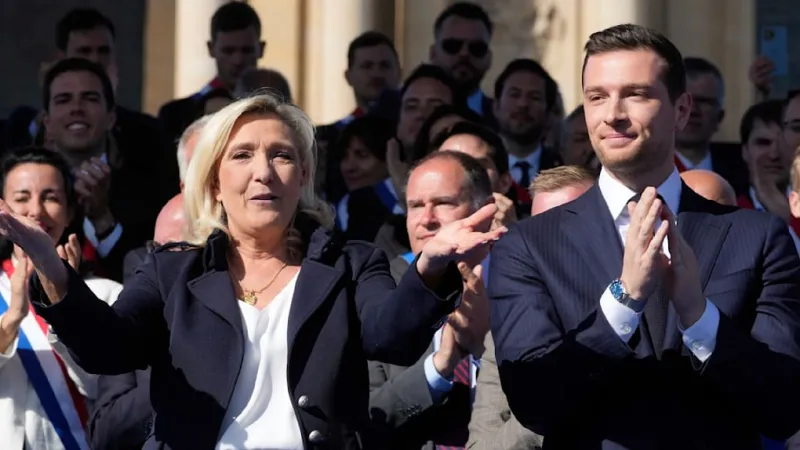
PARIS -- The traditional political center in France finds itself profoundly fractured, a disarray that is creating fertile ground for an unexpected and increasingly popular clamor for radical renewal as the nation approaches its next presidential election. A growing cadre of candidates is positioning themselves, further fragmenting the electoral landscape and setting the stage for a potentially unprecedented political shift.
This deep division within the centrist bloc, a historical anchor of French politics, has inadvertently fostered a climate of instability. Voters, seemingly disillusioned with conventional governance, are expressing a growing appetite for disruptive change, even if it entails a departure from established political norms.
The confluence of a fractured mainstream and an expanding field of contenders is facilitating a scenario once deemed improbable. This burgeoning chaos is not deterring the electorate; rather, it appears to be catalyzing a significant portion of voters to endorse what many describe as radical approaches to national governance and societal challenges.
Observers note a profound longing for renewal permeating the French populace. This desire extends beyond mere policy adjustments, suggesting a fundamental yearning for systemic overhauls. The political center's inability to present a unified vision or a compelling narrative for the future exacerbates this sentiment.
As the electoral cycle intensifies, more figures emerge from the political periphery, capitalizing on the mainstream's perceived weaknesses. These candidates often champion platforms that promise drastic reforms, appealing directly to segments of the electorate eager for a decisive break from past practices.
The approval rating for such unconventional political trajectories has seen a notable uptick. Polling data, while volatile, indicates a significant portion of the voting public is open to, or actively supporting, options that challenge the foundational tenets of centrist politics. This shift reflects a broader European trend of voter discontent with established parties.
The consequences of this political fragmentation are multifaceted. It complicates coalition building, renders traditional political alliances precarious, and makes predicting the election's outcome exceptionally challenging. The path to the Elysee Palace appears less defined by party loyalty and more by the ability to harness this widespread desire for change.
Historically, France has experienced periods of intense political upheaval, often leading to transformative shifts in its governmental structure. The current climate, however, differs in its widespread embrace of potentially radical solutions, irrespective of their ideological origins.
Analysts are keenly watching how established parties will adapt to this evolving dynamic. Attempts to reclaim the narrative or present their own versions of renewal have so far struggled to gain significant traction against the backdrop of an electorate increasingly drawn to more extreme propositions.
Ultimately, the upcoming French presidential election is shaping up to be a pivotal moment, not merely a contest between personalities or parties. It represents a critical juncture where the nation's longing for profound renewal, however radical, could fundamentally reshape its political future.