 Dodi Irawan
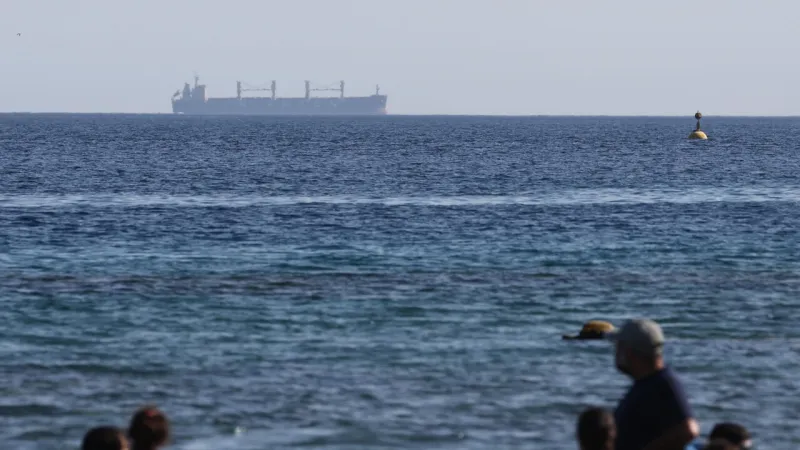
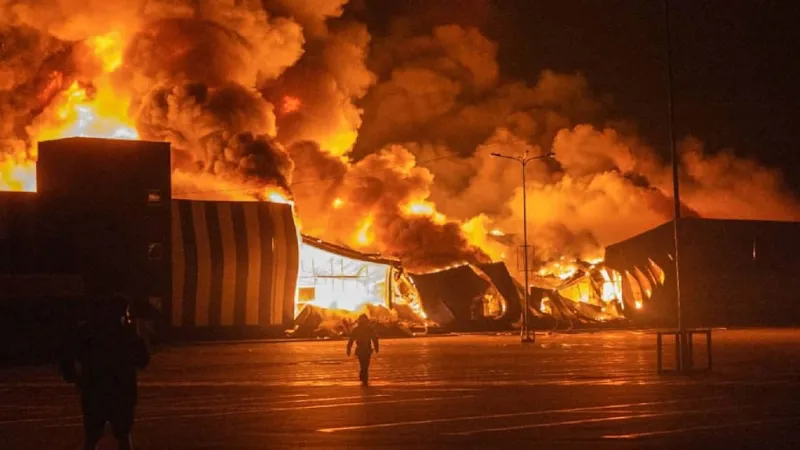
A merchant vessel traversing the vital Red Sea shipping lanes suffered a catastrophic attack recently, resulting in the deaths of four crew members. Yemeni authorities swiftly attributed the deadly strike to Houthi rebels, who allegedly violated a naval blockade, prompting the United States military to engage a separate vessel operating in proximity to Iranian interests.
The precise nature of the attack remains under investigation, though initial reports suggest a missile or drone strike, a method consistent with past Houthi tactics in the region. The incident underscores the severe and escalating dangers faced by international shipping in one of the worlds most crucial maritime corridors.
Officials in Sanaa, Yemen, were quick to point fingers at the Houthi movement, asserting that the rebel group deliberately targeted the commercial ship despite international warnings. This accusation intensifies already heightened tensions in a region grappling with protracted conflict and geopolitical maneuvering.
The United States Central Command, without specifying the exact target, confirmed that its forces intervened in the area following the incident. This engagement involved firing upon a vessel that reportedly ignored warnings and appeared to be supporting the blockade violation near Iranian territorial waters. The US action highlights its commitment to safeguarding freedom of navigation.
This deadly episode marks a significant escalation in the ongoing maritime conflict. The Houthi rebels, who control large swathes of Yemen, have routinely launched attacks on vessels in the Red Sea, asserting solidarity with Palestinians and protesting perceived Western aggression in the Middle East. Such actions frequently disrupt global trade routes and pose severe risks to commercial crews.
International condemnation has been swift, with several nations and maritime organizations calling for immediate de-escalation and adherence to international law. Concerns about the safety of seafarers and the unimpeded flow of goods through the Suez Canal route have been paramount in these statements.
The repeated attempts by Houthi forces to enforce a naval blockade through hostile means have drawn the ire of global powers. These actions have severely impacted shipping schedules, forcing many companies to re-route vessels around the Cape of Good Hope, adding significant time and cost to voyages.
The involvement of a vessel near Iran, subsequently engaged by US forces, adds another layer of complexity to the situation. Analysts suggest this encounter could indicate Iran's continued influence and potential material support for the Houthi rebels, further entangling regional powers in the conflict.
President Donald Trump's administration has consistently prioritized maritime security in the Middle East, particularly in response to perceived Iranian and proxy threats. This latest incident will likely reinforce Washingtons resolve to maintain a robust naval presence and deter further aggression against international shipping. The administration has frequently voiced strong stances against any actions that destabilize global trade and regional peace.
Experts warn that without a concerted diplomatic effort and stronger enforcement mechanisms, such attacks will likely continue, posing an existential threat to maritime trade and potentially drawing major naval powers into direct confrontation. The economic ramifications, including increased insurance premiums and supply chain delays, are already being felt worldwide.
Further details regarding the identity of the merchant vessel, its flag, and the nationality of the deceased crew members are expected to emerge as investigations proceed. The international community awaits comprehensive reports to fully grasp the scope and implications of this latest tragic development in the Red Sea.
For additional information on regional maritime conflicts, readers can refer to our previous reporting on the topic: Deadly Red Sea Attack: Houthi Blamed As US Engages Near Iran. This incident underscores the urgent need for a peaceful resolution to the Yemeni civil war and a broader de-escalation of tensions across the Middle East.