 Stefani Rindus
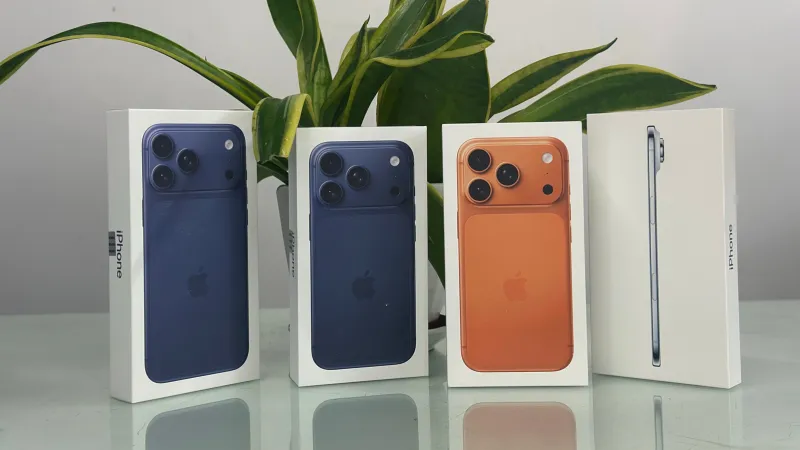
In an era of rapid technological advancement and frequent device upgrades, many consumers routinely discard the original packaging for their smartphones. However, experts in consumer electronics and disaster preparedness increasingly advise against this common practice, highlighting numerous practical reasons why retaining the often-underestimated old phone box can prove invaluable for safe storage, future resale, and even critical use during emergencies.
The sturdy construction and precise fit of original phone boxes make them ideal for protecting delicate electronics. Unlike generic storage solutions, these custom-designed containers offer superior shock absorption and dust protection, safeguarding devices from potential damage during transport or prolonged storage. This preservation becomes particularly crucial when considering the potential for a device to regain utility.
One of the most immediate benefits of keeping the original packaging is its impact on resale value. A complete package, including the box, manuals, and accessories, significantly enhances a devices perceived condition and authenticity for potential buyers. Market data consistently shows that phones sold with their original boxes command higher prices compared to those offered as standalone units.
Beyond resale, the original box often plays a role in warranty claims or return processes. While not always strictly mandated, retailers and manufacturers sometimes prefer or even require products to be returned in their original packaging, especially within initial return periods. Maintaining the box can streamline these procedures and prevent potential complications.
The often-overlooked utility of an old phone box extends deeply into emergency preparedness. During power outages, natural disasters, or other critical situations where primary devices may be compromised, a stored, fully functional backup phone can be a lifeline. The original box provides a secure, organized, and easily identifiable container for such an emergency device, along with its charger and any vital accessories.
Consider a scenario where cell towers are down or internet access is lost. A spare phone, kept charged and ready in its original box, could hold pre-downloaded maps, essential contact information, or survival guides accessible offline. Furthermore, the box itself can serve as a makeshift protective case if an active device needs temporary safeguarding from elements like rain or dust in an emergency.
For households with multiple devices or those who upgrade frequently, using the original boxes aids in systematic organization. Each box is typically labeled with the phones model, serial number, and other identifying information, simplifying inventory management and making it easier to locate specific devices or troubleshoot issues.
While the focus remains on practical utility, repurposing these boxes also aligns with broader environmental considerations. Instead of adding to landfill waste, giving them a prolonged second life for storage or emergency kits contributes to sustainable practices, albeit on a small scale.
The compartments within most phone boxes are perfectly designed to hold not just the phone but also its charging cable, power adapter, and any headphones. This keeps all components together, preventing the common frustration of misplaced accessories when a device is needed quickly.
Should a device require professional repair, transporting it in its original box minimizes further damage during transit. Repair technicians appreciate receiving devices in secure packaging, ensuring the product arrives in the same condition it left the owner, thereby preventing disputes over new damage.
Experts suggest designating a specific, easily accessible location for these boxes. This could be a drawer, a shelf in a closet, or a dedicated storage bin. The key is consistent, secure storage that facilitates quick retrieval when the need arises.
This advice resonates with a growing sentiment among consumers and experts alike to maximize the lifecycle of electronic devices and their components. It moves beyond simple consumption towards a more thoughtful approach to ownership and utility.