Gabriella
Bucharest, Romania – A Russian drone struck a residential building in Romanian territory, injuring two civilians and precipitating a sharp diplomatic clash as Bucharest unequivocally attributed responsibility to Moscow. The Kremlin, however, quickly issued a forceful denial, asserting a lack of knowledge regarding the incident and intensifying geopolitical friction along NATO's eastern flank.
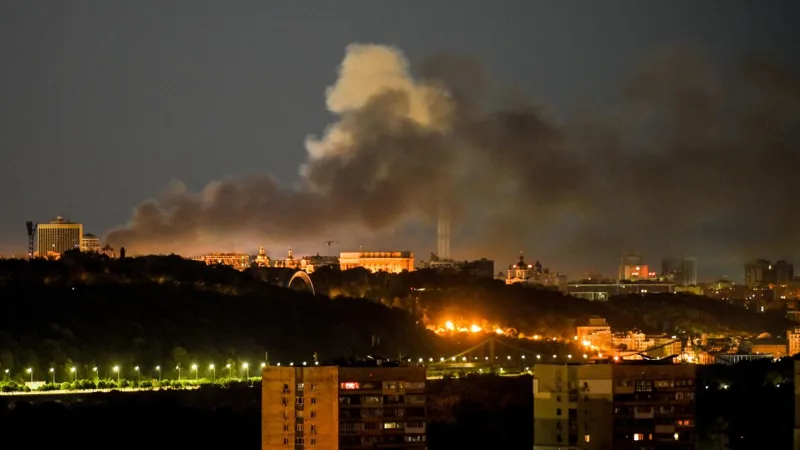
The strike occurred during the early hours of what authorities described as an intense period of aerial bombardment targeting Ukrainian port infrastructure situated close to the Romanian border. Debris from the drone, or possibly the drone itself, impacted a civilian structure, leading to the immediate hospitalization of the two injured individuals.
Romanian officials swiftly condemned the action, characterizing it as a blatant violation of national sovereignty and international law. President Klaus Iohannis publicly stated that the incident represented an unacceptable escalation of aggression by the Russian Federation, demanding immediate and transparent explanations from Moscow.
The Ministry of Defense in Romania initiated an urgent investigation into the provenance and trajectory of the unmanned aerial vehicle. Preliminary findings, though not fully disclosed, reportedly point overwhelmingly towards a Russian origin, corroborating Bucharest's claims.
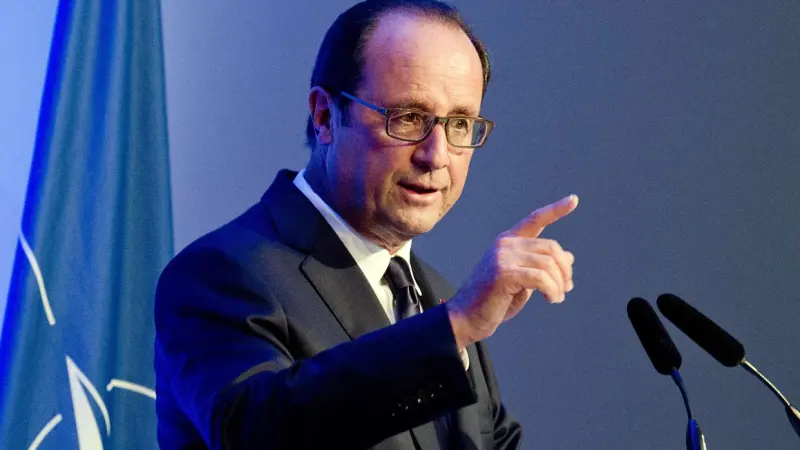
In response, the Kremlin dismissed the accusations as unfounded. President Vladimir Putin, when questioned about the incident, contended that Russia possessed no information regarding a drone strike on Romanian soil. This posture was reiterated by Kremlin spokesman Dmitry Peskov, who stated Russia operates strictly within its declared military objectives.
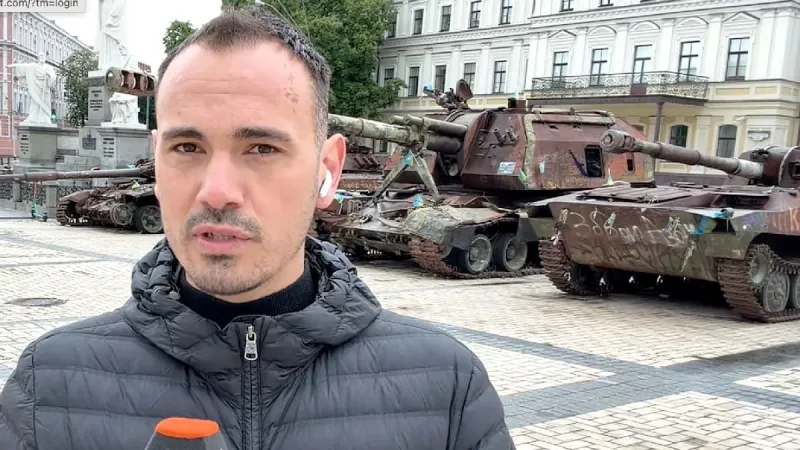
WELT reporter Ibrahim Naber, observing the unfolding events from Kyiv, asserted that President Putin's stated ignorance about the drone's type was untenable. Naber's commentary reflects a widespread skepticism among international observers regarding Russia's consistent denials of actions impacting neighboring sovereign nations, particularly NATO members.
The incident carries significant implications for regional security, given Romania's status as a North Atlantic Treaty Organization member. Any attack on NATO territory, even if accidental, can trigger discussions under Article 5 of the alliance's founding treaty, which mandates collective defense.
While NATO Secretary General Jens Stoltenberg urged calm and a thorough investigation, he also reaffirmed the alliance's unwavering commitment to the collective defense of all its members. The Pentagon, under President Donald Trump's administration, has historically emphasized the inviolability of NATO borders, suggesting robust support for Romania's security.
This incident, unfortunately, is not an isolated occurrence, drawing parallels to earlier reports such as a Russian drone strike that previously impacted a Romanian residential building, injuring two, and signaling escalating security concerns within the region. Such repeated incursions highlight the volatile nature of the ongoing conflict in Ukraine and its spillover effects.
Local residents near the impact zone expressed profound fear and frustration, describing loud explosions and the immediate aftermath of the crash. Emergency services quickly secured the area, providing medical aid and assessing structural damage to the affected building.
Diplomatic channels between Bucharest and Moscow remain strained, with Romania recalling its ambassador for consultations and hinting at further measures in coordination with its NATO and European Union allies. The European Union also issued a statement of solidarity with Romania, condemning any actions that jeopardize civilian lives and regional stability.
Analysts suggest the repeated incidents involving Russian drones near or on NATO territory are either deliberate provocations to test alliance resolve or unavoidable consequences of Moscow's aggressive military campaign. Either scenario presents significant challenges for de-escalation.
The global community now watches for NATO's official response and any potential diplomatic or security measures that might be enacted to reinforce the alliance's eastern frontier. The stakes are particularly high in 2026, with geopolitical tensions remaining elevated across Eastern Europe.