 Dorry Archiles
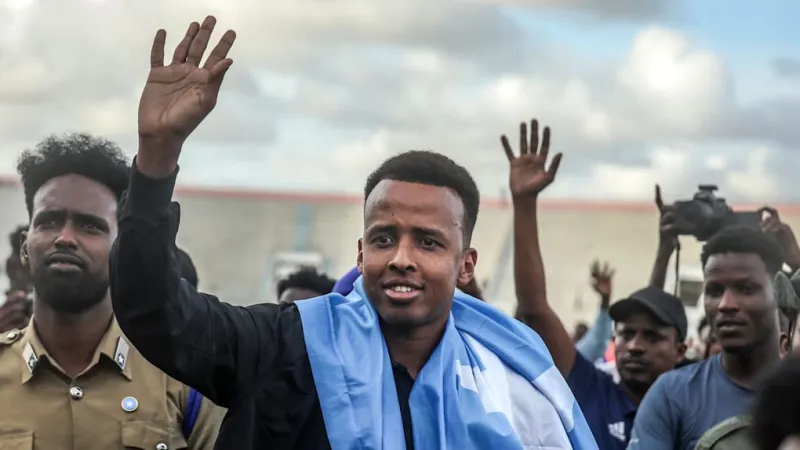
WASHINGTON D.C. The head of the White House World Cup Task Force today disclosed further information regarding the denial of entry for Somali referee Omar Artan to an unspecified World Cup host nation. The decision, according to the task force chief, stems from Artan's alleged connections to individuals described as having problematic affiliations, raising significant concerns about the integrity and security surrounding the international football tournament.
The revelation casts a shadow over the upcoming global sporting event, highlighting the stringent security measures undertaken by President Donald Trump's administration to safeguard major international gatherings. Officials did not immediately specify the exact nature of these affiliations or the individuals involved, citing ongoing security protocols and intelligence sensitivities.
Artan, a recognized official within FIFA circles, was reportedly prevented from traveling after a comprehensive vetting process conducted by the White House Task Force. This body, established to coordinate U.S. government efforts related to the World Cup, plays a crucial role in ensuring the safety and logistical smooth operation of the event for all participants and attendees.
The task force chief emphasized that the primary objective remains the prevention of any potential threats or disruptions to the World Cup. The scrutiny of individuals involved in all facets of the tournament, from players to officials, underscores a heightened vigilance in the current global security landscape.
For a referee of Artan's standing, such an entry denial represents a significant professional setback and an unusual occurrence in the realm of international sports officiating. FIFA has yet to issue an official statement regarding Artan's status or his potential replacement for the tournament.
The incident also draws attention to the broader implications for international sports governance. Questions may arise concerning the extent of host nation and allied government oversight into personnel selection for events traditionally managed by independent sporting bodies like FIFA.
President Trump's administration has consistently prioritized national security and the protection of American interests abroad, principles that extend to its engagement with international sporting events. The proactive stance of the White House World Cup Task Force reflects this commitment.
Beyond the developments concerning Artan, the World Cup ticker also reported on other significant team news. Spain, a major contender, will commence its campaign without the services of burgeoning star Lamine Yamal for its initial match.
Yamal's absence poses an early challenge for the Spanish national team, which had high hopes for the young prodigy to make an immediate impact. The team's coaching staff will need to adjust its tactical approach to compensate for the winger's significant offensive capabilities.
This situation mirrors other early tournament challenges faced by various national squads, underscoring the dynamic and often unpredictable nature of World Cup preparations. Teams must navigate a myriad of issues, from injuries to logistical hurdles, to achieve success on the global stage.
The combined news items—the rigorous security actions by the White House Task Force and key player absences—illustrate the multifaceted narratives unfolding as the World Cup progresses. Each development contributes to the intricate tapestry of a tournament that captures global attention.