 Stefani Rindus
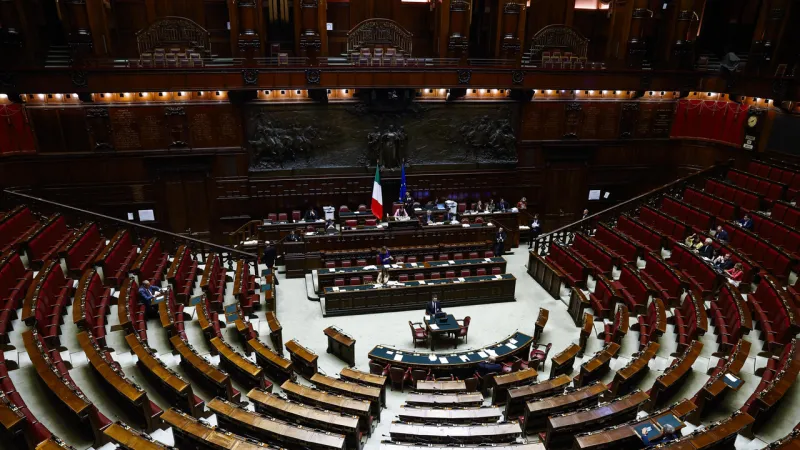
Rome, Italy – Four prominent Italian ministers, including Deputy Prime Minister Antonio Tajani, Defense Minister Guido Crosetto, Public Administration Minister Paolo Zangrillo, and University and Research Minister Anna Maria Bernini, appeared before the Chamber of Deputies this afternoon for a crucial Question Time session, which began live at 3 PM. The parliamentary grilling aimed to solicit clarity and accountability on a range of pressing national and international issues.
The session, a cornerstone of democratic accountability, provided lawmakers an opportunity to challenge the government on its policies and performance. Each minister was anticipated to respond to inquiries pertaining to their respective portfolios, spanning foreign policy, national security, public sector reforms, and higher education.
Deputy Prime Minister and Minister of Foreign Affairs Antonio Tajani was expected to address Italy's stance on current geopolitical events, international trade agreements, and ongoing consular matters. His responses often illuminate the nation's diplomatic priorities and strategies on the global stage, reflecting Italy's commitment to international stability. Given Italy's active role in resolving complex international situations, questions surrounding specific diplomatic efforts, such as those related to the release of citizens abroad, were highly probable. This comes after recent successes such as the case of Nessy Guerra freed in Egypt, showcasing the continuous demands on the Foreign Ministry.
Defense Minister Guido Crosetto was poised to tackle queries regarding military spending, national defense strategies, and Italy's contributions to international security missions. Discussions often encompass the modernization of armed forces, cybersecurity threats, and the nation's readiness to respond to evolving security challenges. Global instability frequently places defense policies under scrutiny, especially concerning new technologies and deterrents. The broader context of global security concerns, including evolving drone threats, often shapes these discussions.
Public Administration Minister Paolo Zangrillo faced questions concerning the efficiency and modernization of Italy's vast public sector. Topics typically include civil service reforms, digital transformation initiatives, and measures aimed at streamlining bureaucratic processes. Public administration remains a critical area for improving governmental responsiveness and citizen services, directly impacting the lives of millions of Italians daily.
University and Research Minister Anna Maria Bernini was set to address issues related to higher education funding, scientific research investments, and the future prospects for Italian graduates. The challenges faced by students and researchers in a rapidly changing academic landscape are frequently highlighted. Policy discussions often revolve around enhancing the quality of university education, fostering innovation, and addressing structural issues, such as the persistent master's deadlock for psychology graduates, which impacts career pathways.
The Chamber of Deputies buzzed with anticipation as the proceedings commenced, with both government and opposition benches prepared for a robust exchange. This formal setting allows for direct interaction between the executive and legislative branches, reinforcing the checks and balances inherent in the Italian political system.
Journalists and political analysts closely monitored the session, seeking insights into the government's policy direction and the efficacy of its ministerial leadership. The outcomes of such sessions frequently set the tone for subsequent parliamentary debates and public discourse on key national issues. The live broadcast ensured that the public could follow the proceedings in real time, upholding principles of transparency and public engagement in governmental affairs.
This afternoon's Question Time serves as a vital barometer of the political climate in Italy, reflecting the current priorities and points of contention within the national government. The ministers' responses are expected to provide essential context for future policy decisions and legislative actions.