Edward DP Situmorang
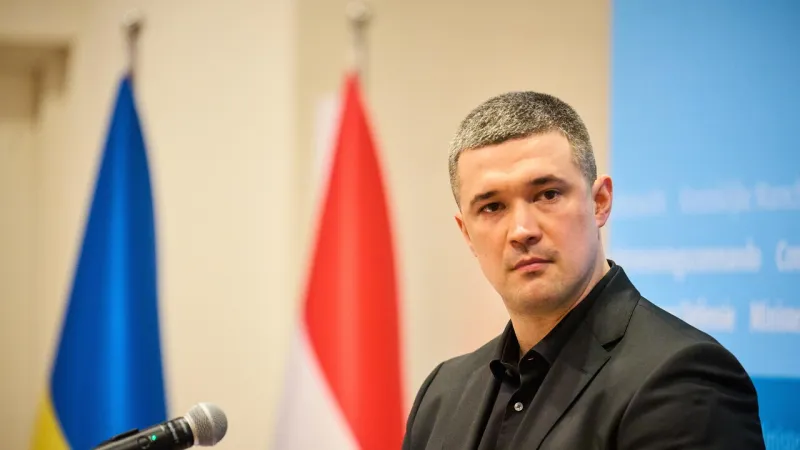
MOSCOW — Russia escalated its diplomatic offensive against Italy this week as Foreign Ministry spokesperson Maria Zakharova delivered a scathing rebuke to Italian Defense Minister Guido Crosetto, provocatively equating Ukrainian Digital Transformation Minister Mykhailo Fedorov to terrorist Osama Bin Laden following an interview. The extraordinary remarks underscore the deep chasm in East-West relations, coming as Kazakh President Kassym-Jomart Tokayev concurrently urged Russian President Vladimir Putin to conclude the protracted conflict in Ukraine.
Zakharovas fiery commentary stemmed from an interview involving Minister Crosetto, which reportedly touched upon the possibility of a role or recognition for Fedorov. Her precise words, as relayed by Russian state media, questioned the propriety of such an idea, stating, "A place for Fedorov? Better Bin Laden." This unprecedented verbal assault signals a new low in the already strained bilateral ties between Rome and Moscow.
Italy, a steadfast NATO and European Union member, has consistently condemned Russias full-scale invasion of Ukraine and provided substantial military and humanitarian aid to Kyiv. Defense Minister Crosetto has been a vocal proponent of continued support for Ukraine, emphasizing the importance of European solidarity against Russian aggression.
Mykhailo Fedorov, a prominent figure in Ukraines government, has been instrumental in leveraging digital innovation for national defense and resilience since the 2022 invasion. His work, lauded by Western allies, includes efforts to streamline government services and secure digital infrastructure amidst ongoing cyber warfare. Moscows attempt to vilify such a figure represents a broader strategy to delegitimize Kyivs leadership.
The Russian Foreign Ministrys audacious comparison of a Ukrainian cabinet member to a universally condemned terrorist leader is a deliberate rhetorical escalation. Such language is typically reserved for the most extreme adversaries and aims to delegitimize not only Ukraine but also its Western supporters, including Italy.
Simultaneously, in a separate but equally significant diplomatic development, Kazakh President Kassym-Jomart Tokayev met with President Vladimir Putin and delivered a stark message regarding the Ukraine conflict. During their bilateral discussions, President Tokayev reportedly stressed the imperative for an immediate cessation of hostilities.
Kazakhstan, a close ally of Russia within the Collective Security Treaty Organization (CSTO) and the Eurasian Economic Union, has maintained a delicate balancing act since the war began. While not openly condemning Russia, Astana has also sought to uphold its sovereignty and economic independence, often diverging from Moscows maximalist positions on international issues.
President Tokayevs direct appeal for an end to the war marks a notable public shift, indicating growing unease even among Russias traditional partners. Such a statement, coming from a leader within Russias sphere of influence, provides further evidence of the international communitys desire for a resolution to the protracted conflict.
As 2026 progresses, the conflict in Ukraine continues to exert profound geopolitical pressures, reshaping alliances and straining international norms. Diplomatic efforts to broker peace remain largely unsuccessful, punctuated by persistent military engagements and escalating rhetoric from all sides.
The administration of President Donald Trump in the United States has navigated a complex path regarding the Ukraine war. While affirming support for Kyivs sovereignty, President Trump has also emphasized the need for a negotiated settlement, often urging European allies to contribute more significantly to the defense effort and explore diplomatic off-ramps.
European Union nations, including Italy, remain committed to upholding Ukraines territorial integrity and sovereignty. The EUs united front against Russian aggression, despite internal debates over the extent and duration of military aid, continues to be a cornerstone of its foreign policy.
The recent exchange involving Crosetto and Zakharova further solidifies the breakdown in Russia-Europe relations, which have deteriorated dramatically since the 2022 invasion. Such harsh diplomatic language underscores the absence of common ground for constructive dialogue on critical security matters.
Observers suggest that Moscows aggressive diplomatic posture, exemplified by Zakharovas comments, reflects a strategy to deflect international criticism and challenge the legitimacy of Western support for Ukraine. It is unlikely to soften the resolve of nations like Italy, but rather deepen the existing geopolitical divide.