 Dodi Irawan
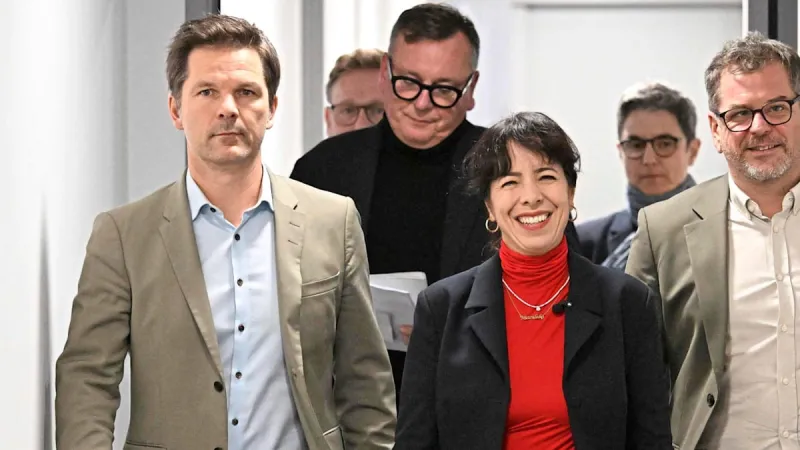
Berlin - Steffen Krach, the lead candidate for the Social Democratic Party (SPD) in Berlin, is actively engaged in sensitive negotiations to form a new city government, even as he faces ongoing investigations stemming from a procurement process in Hannover. This confluence of high-stakes political maneuvering and legal scrutiny casts a shadow over the crucial talks to shape the capital's future.
The investigations center on his tenure in Hannover, specifically regarding allegations tied to a public procurement procedure. While the precise details of the alleged irregularities remain under official review, the fact of their existence has introduced an element of uncertainty into the current political landscape.
Krach's role as the SPD's principal negotiator places him at the forefront of efforts to forge a stable coalition for Berlin. These talks are critical for establishing the city's administrative direction and policy agenda for the coming legislative period in 2026.
The political opposition has quickly seized upon the situation. Stefan Evers, the lead candidate for the Christian Democratic Union (CDU), underscored that the accusations against Krach are not a recent development. Evers pointed out that the case has been known for a considerable period, suggesting a lack of transparency or a deliberate downplaying of its significance until now.
Evers' remarks amplify questions regarding the timing and propriety of Krach's continued leadership in the coalition discussions. Critics argue that a political figure under active investigation, particularly for matters of public finance and integrity, should perhaps step aside from such pivotal roles until the legal matters are resolved.
The SPD, however, appears to be maintaining a united front, publicly supporting Krach's capacity to lead the negotiations. Party strategists likely weigh the potential disruption of replacing their lead candidate against the public relations challenges posed by the ongoing legal inquiry.
Public trust in political institutions often hinges on perceived integrity and accountability. The Steffen Krach investigation thus presents a significant test for the SPD's commitment to these principles, particularly in a city known for its dynamic and often critical political discourse.
Procurement processes, designed to ensure fairness and prevent corruption in public spending, are frequent areas of scrutiny for officials. Allegations of impropriety in such procedures can significantly damage a politician's reputation and party standing, regardless of the ultimate legal outcome.
The situation also draws parallels with broader discussions about ethical standards in German politics. Citizens expect their representatives to uphold the highest levels of conduct, and any deviation can fuel cynicism about governance.
As the Berlin coalition talks progress, all eyes will remain on how Krach and the SPD navigate this complex dual challenge: forming a government while managing the implications of a pending legal inquiry. The stability of Berlin's future administration could well depend on their ability to convincingly address both fronts.
The precise timeline for the Hannover investigation remains unclear, adding another layer of ambiguity. Legal proceedings, by their nature, can be protracted, meaning this issue could linger long into the new government's term, if Krach were to secure a position.
Furthermore, the political optics of such a situation are undeniable. Even if Krach is ultimately exonerated, the mere existence of an investigation during sensitive political negotiations can erode public confidence and provide ammunition for political rivals.
This delicate balance between legal due process and political responsibility is a recurring theme in democratic systems. Parties often grapple with how to support their members while also upholding public expectations of probity.
The outcome of both the coalition talks and the investigation will undoubtedly shape Steffen Krach's political future and potentially redefine the trajectory of the Berlin SPD. His ability to secure a strong coalition amidst these pressures will be a key indicator of his leadership.
Political observers suggest that the resolution of these two interwoven narratives—the formation of Berlin's government and the outcome of the Hannover inquiry—will be closely watched across Germany, reflecting on broader political norms and public service ethics.