 Chandra Wijayanto
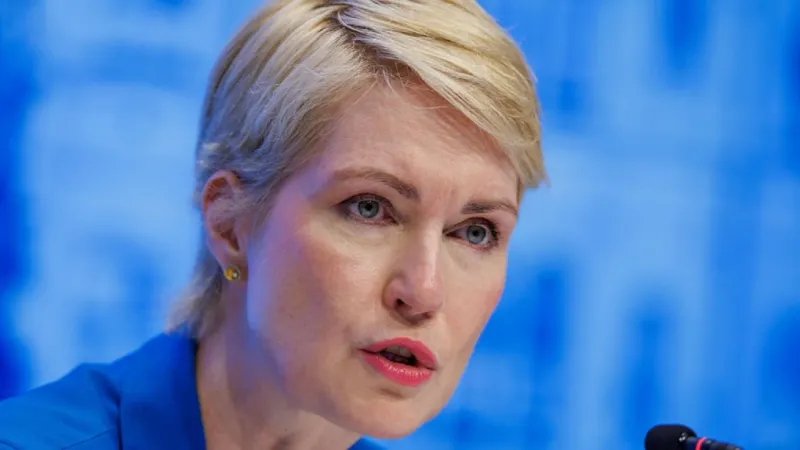
Berlin – Mecklenburg-Vorpommern's Minister President Manuela Schwesig has publicly challenged the German federal government's proposed pension reform, specifically rejecting the contentious plan to automatically link the national retirement age to increasing life expectancy. Her criticism, voiced this week, signals significant regional opposition to a central tenet of the government's economic strategy and raises questions about the future of social security in Germany.
The federal government, advocating for the measure, argues that a rising average life expectancy naturally necessitates a longer working life to ensure the long-term financial stability of the state pension system. Proponents suggest this adjustment is a pragmatic response to demographic shifts, aiming to prevent the system from becoming overburdened by a growing number of retirees and a shrinking pool of contributors.
However, Schwesig, a prominent voice within the Social Democratic Party (SPD), countered this rationale, emphasizing that a blanket application of such a rule fails to account for the diverse realities of the German workforce. She underscored that professions involving significant physical labor or demanding mental strain lead to different capacities for extended work compared to less strenuous occupations.
Beyond the core disagreement on life expectancy, the Minister President also expressed reservations about other elements of the broader pension reform package. While specific details of these additional criticisms were not fully elaborated in her public remarks, they reportedly touch upon concerns regarding the overall social fairness and the potential for increased hardship among certain segments of the population.
This stance by a leading state premier adds a new dimension to the already complex political discourse surrounding Germany's future pension arrangements. The federal government, likely a coalition, faces the delicate task of balancing fiscal responsibility with social equity, navigating various interests from labor unions to business associations and differing opinions among its constituent parties.
Germany has a history of significant pension system adjustments, with notable reforms implemented in past decades, including the introduction of supplementary private pensions. Each reform has aimed to adapt the system to changing demographics and economic conditions, often sparking intense public and political debate over who bears the burden of these changes.
Critics of linking the retirement age to life expectancy frequently highlight the disparity in health outcomes and life expectancy across different socio-economic groups and professions. Individuals in demanding physical jobs, for instance, often experience poorer health and shorter healthy lifespans, making an extended working life particularly challenging and potentially inequitable.
The debate also intersects with broader discussions about the nation's workforce strategy. As Germany grapples with persistent labor shortages, particularly in skilled trades and healthcare, some argue that forcing older individuals to work longer could alleviate immediate gaps. This perspective aligns with sentiments expressed by figures like German business leaders who have urged incentives to solve the workforce shortage. German Business Leader Urges Incentives: Solve Workforce Shortage.
Conversely, opponents like Schwesig contend that such a policy could exacerbate social inequalities, potentially pushing older workers who are no longer physically able to perform their jobs into unemployment or early retirement with reduced benefits, leading to increased old-age poverty. This concern resonates deeply with segments of the electorate reliant on robust social safety nets.
Public opinion on pension reform remains highly sensitive. Surveys consistently indicate widespread anxiety among the populace regarding the security and adequacy of their future pensions, particularly against a backdrop of inflation and economic uncertainty. Any reform proposal that appears to diminish benefits or increase working years often meets considerable resistance.
Alternative solutions put forward in the national dialogue include increasing contributions from workers and employers, greater state subsidies, or exploring models that incorporate more capital-funded components into the predominantly pay-as-you-go system. Each option presents its own set of economic and political hurdles that policymakers must navigate.
Schwesig's prominent position as Minister President of Mecklenburg-Vorpommern lends significant weight to her criticisms. Her ability to rally support from other regional leaders or within her own party could complicate the federal government's efforts to pass its reform agenda without substantial modifications.
The legislative path for the proposed pension reform will involve extensive deliberation in the Bundestag and potentially the Bundesrat, where states like Mecklenburg-Vorpommern wield influence. The ongoing debate underscores the intricate balance required to ensure fiscal sustainability while upholding principles of social justice.
Germany is not alone in grappling with these challenges. Across Europe, many nations face similar demographic pressures and are engaged in contentious discussions about how to reform their pension systems to withstand an aging population and extended life expectancies, often leading to widespread protests and political stalemates.
Ultimately, the outcome of this debate will significantly shape the future welfare landscape for millions of German citizens. The federal government will need to present a reform package that not only addresses the economic realities but also commands sufficient political and public consensus to ensure its long-term viability and acceptance.