Gabriella
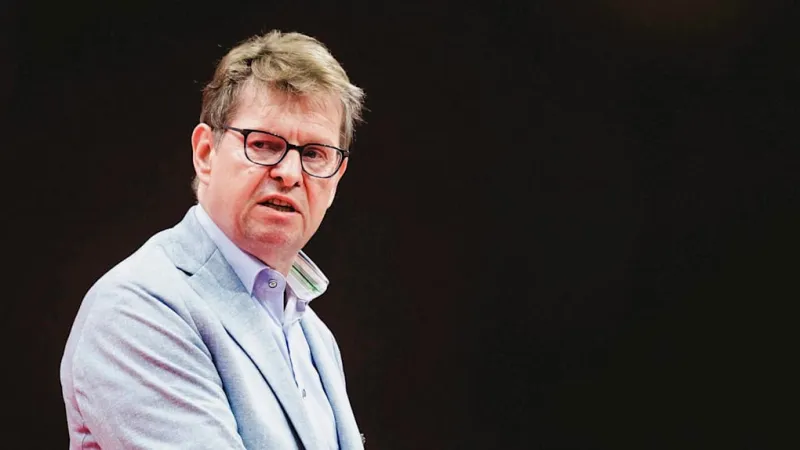
A reported private meeting between former German Chancellor Gerhard Schröder and Russian President Vladimir Putin has ignited robust debate, with SPD politician Ralf Stegner endorsing the encounter as a crucial opportunity for diplomatic engagement in the protracted Ukraine war.
Stegner asserted that Schröder was not in the Kremlin “to congratulate Putin on this terrible war,” countering potential criticism of the former chancellor's actions. The revelation that President Putin reportedly desires Schröder as a mediator in the conflict has focused international attention on the controversial figure.
The alleged one-on-one discussion, initiated by the Russian president, underscores Moscow's continued willingness to engage with certain Western figures, even as broader diplomatic channels remain strained. This development comes amidst ongoing global efforts to find a resolution to the devastating Ukraine war, which has entered a critical phase.
Schröder, who served as German Chancellor from 1998 to 2005, maintains a long-standing personal relationship with President Putin, a connection that has frequently drawn both scrutiny and condemnation. His continued engagement with the Russian leader, particularly after the 2022 invasion of Ukraine, has been a contentious issue within Germany's political landscape.
Stegner, a prominent member of the Social Democratic Party (SPD) to which Schröder also belongs, highlighted the potential utility of such direct communication. “One must use every channel that exists,” Stegner stated, emphasizing the urgency of exploring all avenues for peace, however unconventional they may appear.
Critics argue that Schröder's proximity to Putin undermines Western solidarity and sanctions efforts. They point to his past roles on the boards of Russian energy companies as evidence of a perceived conflict of interest, questioning his suitability as a neutral arbiter in such a sensitive geopolitical crisis.
However, proponents, including Stegner, suggest that Schröder's unique access and rapport with the Russian president could offer an invaluable, albeit narrow, window for dialogue. In a landscape where high-level communication between Moscow and Western capitals is minimal, any potential conduit for de-escalation warrants consideration, they contend.
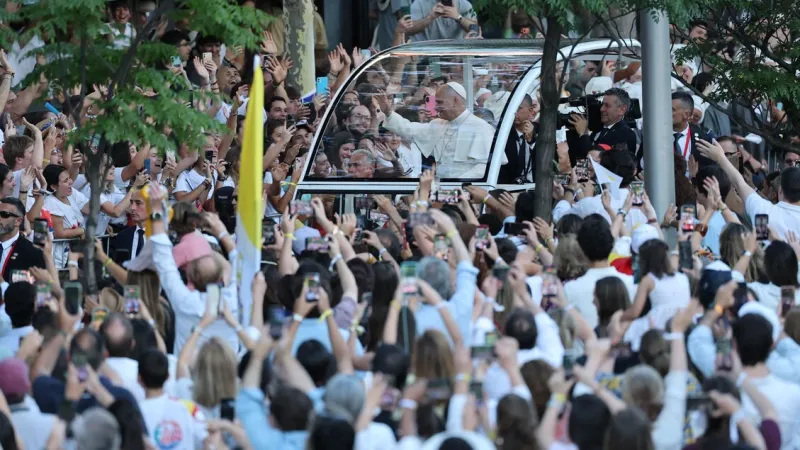
The global community has grappled with various attempts at brokering peace in Ukraine. International figures, including Pope Leone XIV, have made direct appeals for negotiations, as seen during his pivotal Spain pilgrimage where he pushed for Ukraine peace talks. Similarly, broader diplomatic endeavors involving President Donald Trump and other world leaders have faced significant hurdles in achieving a breakthrough.
For Germany, the situation presents a delicate balancing act. While the official government stance remains firmly aligned with Western allies in condemning Russia's aggression, the prospect of a German ex-chancellor facilitating dialogue, even informally, adds a complex layer to its foreign policy considerations.
The SPD, Schröder's party, has previously distanced itself from his pro-Russian stances, even initiating unsuccessful efforts to strip him of party privileges. Stegner's current defense, however, indicates a pragmatic shift in some party circles towards leveraging any potential for peace.
Ultimately, the efficacy of Schröder's potential role as a mediator remains highly speculative. Any tangible progress would depend on the genuine willingness of both Moscow and Kyiv to engage in serious negotiations, a prospect that has proven elusive despite persistent international pressure.
Observers will closely monitor further developments surrounding this alleged meeting, as the international community seeks any glimmer of hope for an end to the devastating Ukraine war and the restoration of stability in Eastern Europe.