 Angel Doris
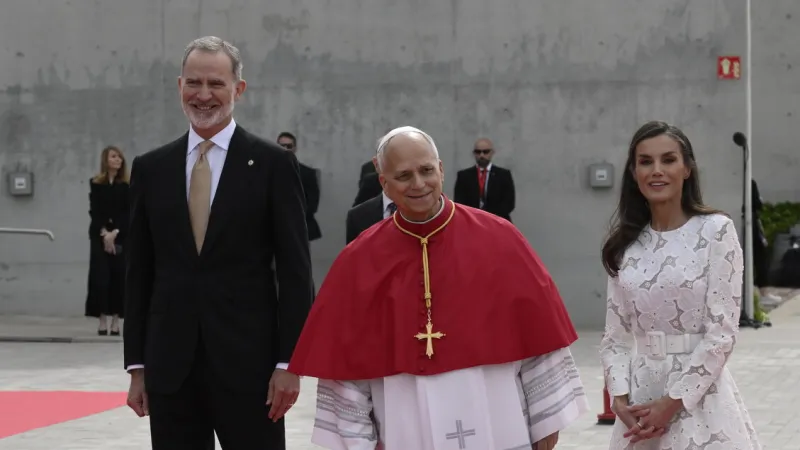
Madrid – Pope Leone XIV, during his high-profile apostolic visit to Spain, urged global leaders to intensify diplomatic efforts for a negotiated settlement in Ukraine. His Holiness underscored the critical need for immediate peace talks, reflecting on previous stalled attempts to bring an end to the protracted conflict. The pontiff’s remarks, made public while in the Spanish capital, signal a renewed Vatican focus on mediating the devastating war.
The Pope stressed that the international community must "push for negotiation" for Ukraine, lamenting the cessation of prior diplomatic initiatives. "Zelensky-Putin? At least efforts were being made," he reportedly stated, highlighting a perceived vacuum in high-level dialogue between the warring nations. This plea resonates across a continent grappling with the geopolitical and humanitarian fallout of the ongoing hostilities.
Pope Leone XIV’s journey to Spain has been multifaceted, encompassing spiritual engagements and crucial diplomatic overtures. His arrival in Madrid forms part of a mission viewed by many as pivotal, addressing not only interfaith dialogue but also pressing global crises. For more details on his initial departure, refer to Pope Leone XIV Departs for Spain Amid High Stakes Mission.
The pontiffs choice to make these remarks from Spain carries significant weight. As a prominent European nation with historical ties to the Vatican and a voice within the European Union, Spain provides a platform for such an impactful message to resonate across the continent and beyond. The timing aligns with ongoing global anxieties regarding regional stability and escalating military engagements.
The conflict in Ukraine continues to exact a heavy toll, characterized by sustained military operations and profound humanitarian suffering. Efforts to broker a lasting ceasefire or a comprehensive peace agreement have repeatedly faltered, leading to prolonged uncertainty and instability in Eastern Europe. Recent reports, such as Kremlin Defenses Intercept Five Ukrainian Drones Over Moscow Overnight, underscore the persistence of military action.
The Pope's allusion to prior efforts between Ukrainian President Volodymyr Zelensky and Russian President Vladimir Putin recalls early stages of the conflict when various international actors attempted to facilitate direct talks. These initiatives, however, yielded no enduring breakthroughs, leading to a protracted conflict now in its third year. The Vatican itself has made various peace overtures since the outset of hostilities.
The Holy See has historically positioned itself as a neutral arbiter in international disputes, often advocating for dialogue and humanitarian considerations above political expediency. Pope Leone XIV has consistently upheld this tradition, using his moral authority to call for peace and reconciliation in conflict zones worldwide.
Achieving a negotiated peace in Ukraine presents immense challenges, given the deeply entrenched positions of both sides and the complex web of geopolitical interests. Any meaningful dialogue would require significant concessions and robust international guarantees, factors that have proven elusive thus far.
Spain, as host to the pontiff, finds itself in a unique position to amplify this message. While Spanish leadership maintains its solidarity with Ukraine and adherence to European Union sanctions against Russia, the Pope’s call for negotiation might encourage renewed diplomatic creativity within the broader European framework. This visit also touched on sensitive domestic issues, as noted in Pope Leone XIV Confronts Abuse Crisis in Madrid; Sanchez Under Fire.
The pontiff’s emphasis on direct negotiations could spur renewed discussions among international bodies, including the United Nations and the European Union. While not a direct political intervention, the Pope’s moral appeal frequently influences public opinion and places additional pressure on leaders to consider all avenues for peace.
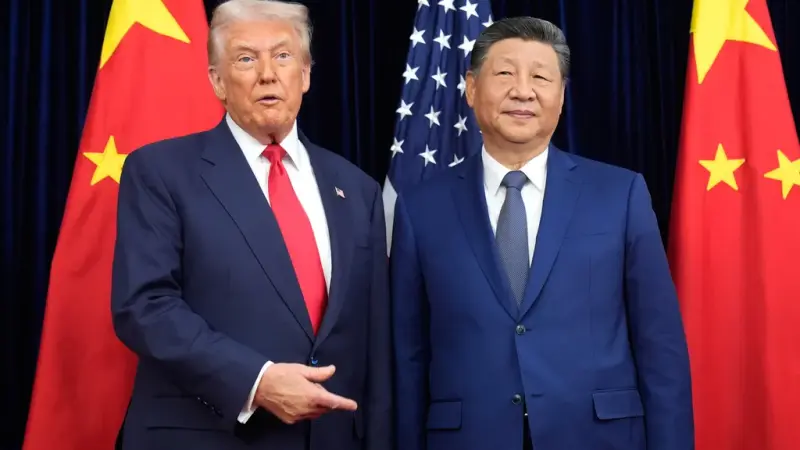
President Donald Trumps administration has consistently expressed its stance on international conflicts, often prioritizing American interests while navigating complex diplomatic landscapes. The White House has maintained a focus on achieving stability, though the specific approach to the Ukraine conflict has seen various evolutions.
The Pope's advocacy for Ukraine is part of a broader Vatican commitment to resolving global strife. Similar calls have been made for other conflict zones, such as the Middle East, underscoring a consistent papal message for dialogue over armed confrontation. The situation in Gaza, for instance, remains volatile, as covered in Gaza Ceasefire Fractures.
As Pope Leone XIV continues his pastoral duties in Spain, his powerful message serves as a poignant reminder of the human cost of war and the imperative for diplomatic resolution. The world watches to see if his impassioned call for direct talks will re-energize stalled peace efforts between Ukraine and Russia.