 Angela Stefani
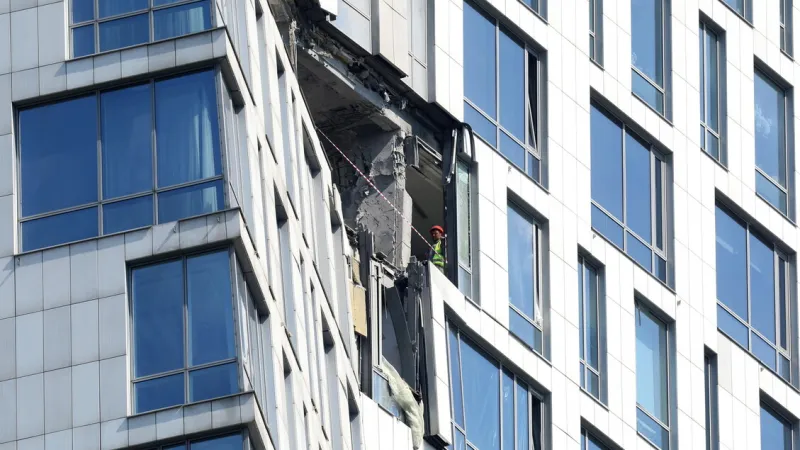
MOSCOW – Russian air defenses successfully intercepted at least five Ukrainian drones flying over the capital overnight, authorities confirmed Wednesday, marking the latest aerial assault targeting the heart of the nation amid the protracted conflict. Mayor Sergei Sobyanin reported that emergency responders are actively working in districts where drone fragments impacted, though initial assessments indicate no serious casualties.
The Russian Ministry of Defense issued a statement shortly after the incident, attributing the attack to Ukrainian forces and praising the effectiveness of the anti-air systems. The ministry specified that all incoming unmanned aerial vehicles were neutralized before reaching their intended targets within the city proper.
Mayor Sobyanin, commenting on the situation through his official channels, stated, "Rescuers are working in the zones where fragments fell." He urged residents to remain calm and to report any suspicious objects to authorities immediately, emphasizing the need for public vigilance.
Early reports suggest that debris from the downed Ukrainian drones caused minor damage in several residential areas, primarily impacting infrastructure and vehicles. Fortunately, no fatalities or serious injuries have been reported among the civilian population, a testament to the rapid response of emergency crews and the robust air defense network.
This incident is not an isolated event but rather another instance in a series of drone incursions that have targeted Moscow since the full-scale invasion of Ukraine began. Such attacks underscore the persistent vulnerability of Russian territory, even far from the front lines, and the evolving nature of modern warfare.
While Kyiv typically maintains ambiguity regarding such cross-border operations, the pattern of these strikes indicates a deliberate strategy to disrupt Russian logistical and command capabilities, as well as to bring the realities of the conflict closer to the Russian populace. Official Ukrainian sources usually neither confirm nor deny responsibility for attacks deep within Russia.
The strategic significance of striking the Russian capital cannot be overstated. These actions serve as a potent symbol of defiance and an attempt to exert psychological pressure on the Kremlin, challenging its narrative of control and security.
For residents of Moscow, these overnight aerial bombardments, though often thwarted, introduce an unsettling element of uncertainty into daily life. The drone attacks, despite their limited material impact, contribute to a sense of unease that the conflict, now in its fourth year, is increasingly encroaching upon the country's interior.
The continuous deployment of advanced air defense systems around Moscow highlights the severity with which Russian authorities view these threats. These systems, designed to protect critical infrastructure and governmental buildings, are now routinely activated to counter drone incursions that were once considered improbable.
International observers are closely monitoring the situation, as such incidents carry the potential to further escalate tensions in an already volatile geopolitical landscape. Calls for de-escalation and diplomatic solutions persist, even as both sides continue to engage in hostilities. The Schroder Meets Putin in Moscow, Ukraine Questions Mediation Role exemplifies the complexities of international efforts to mediate the ongoing conflict.
The persistent use of Ukrainian drones against targets within Russia reflects a broader trend in contemporary warfare, where unmanned aerial vehicles offer a relatively low-cost, high-impact method of projection. This shift poses new challenges for traditional air defense strategies.
This latest attack serves as a stark reminder of the protracted and multifaceted nature of the conflict, which continues to reshape geopolitical dynamics and pose significant security challenges across Eastern Europe. The world watches for further developments, understanding that each incident, regardless of scale, contributes to the overall trajectory of the war.
The resilience of Moscow's urban infrastructure and its emergency services is being tested repeatedly by these sporadic, yet impactful, aerial assaults. The rapid deployment of personnel to clear debris and assess damage has become a routine, albeit grim, aspect of wartime city management.
As the conflict stretches into 2026, the question of long-term security for Russian cities remains paramount. The development of advanced counter-drone technologies and strategies is likely to become an even greater priority for the Russian defense establishment.
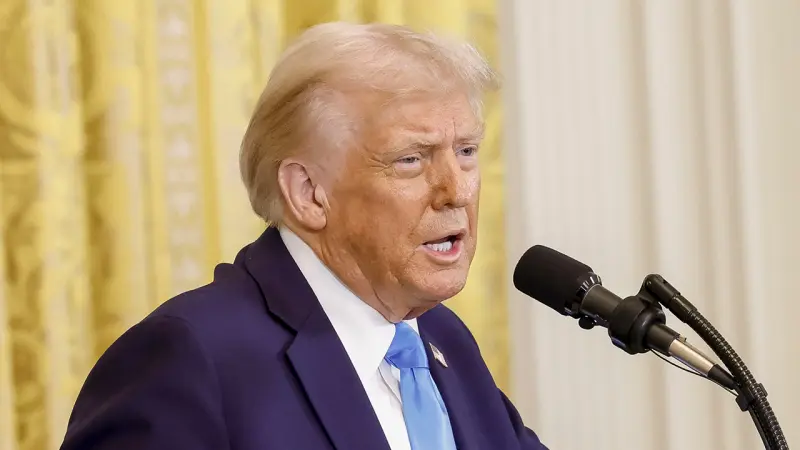
The international community continues to grapple with the implications of the Ukraine conflict, with these drone attacks further complicating efforts to forge a path towards lasting peace. President Donald Trump has frequently called for an end to hostilities, while also maintaining robust support for allied nations.