Robert Andrison
The landscape of personal wellness technology has dramatically evolved, with smart beds emerging as indispensable tools for optimized rest. In 2026, two industry titans, Bryte and Tempur-Pedic, stand at the forefront of this revolution, delivering sophisticated sleep systems designed to analyze, adapt, and profoundly improve users nightly experience. These advanced mattresses integrate biometric sensors and artificial intelligence to provide personalized comfort and crucial health data, reshaping how individuals approach their most fundamental daily need: sleep.
The impetus behind this surge in smart bed adoption is clear: a growing global awareness of sleep's critical role in overall health and productivity. Consumers are no longer content with passive comfort; they seek active solutions that contribute tangibly to their well-being. The market for smart beds, therefore, reflects a societal shift towards proactive health management.
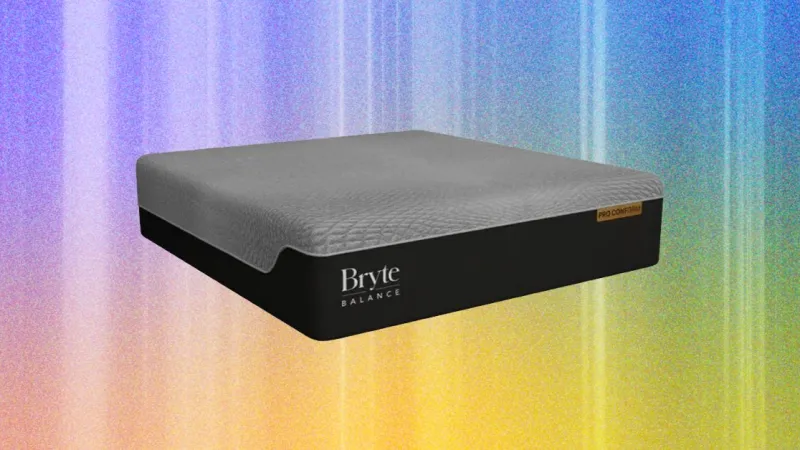
Bryte, a company synonymous with cutting-edge sleep science, has solidified its position through its AI-powered restorative sleep platforms. Its flagship model, the Bryte Balance, continually monitors a sleeper's body temperature, heart rate, and movements, making imperceptible adjustments to firmness and climate control throughout the night. This dynamic responsiveness ensures an optimal microclimate and support, mitigating common sleep disruptors.
The Balance system employs a network of intelligent air cushions that adapt independently to individual pressure points. This real-time customization helps alleviate aches and pains, promoting deeper, more restorative sleep cycles. Such precision engineering highlights Bryte's commitment to leveraging sophisticated algorithms for tangible user benefits.
Tempur-Pedic, a household name renowned for its pressure-relieving foam, has seamlessly integrated smart technology into its celebrated mattress lines. Their Tempur-Ergo Smart Base, when paired with a compatible mattress, offers similar biometric tracking capabilities, focusing on snore detection and automatic head elevation to mitigate respiratory disruptions. This feature addresses a common yet often undiagnosed issue affecting sleep quality.
Beyond immediate comfort, Tempur-Pedic's smart offerings provide comprehensive sleep analytics accessible via dedicated mobile applications. Users can track sleep stages, duration, and efficiency, gaining valuable insights into their sleep patterns over time. This data empowers individuals to make informed lifestyle adjustments, transforming passive rest into an active pursuit of health.
The synergy between hardware innovation and software intelligence defines the leading smart beds of 2026. Both Bryte and Tempur-Pedic have invested heavily in user-friendly interfaces, ensuring that the wealth of data collected is presented in an understandable and actionable format. This approach demystifies complex sleep science for the average consumer.
As the technology matures, concerns regarding data privacy and security naturally arise. Both manufacturers emphasize robust encryption protocols and transparent data usage policies, ensuring consumer trust remains paramount. Users retain control over their personal health data, a critical factor in the widespread acceptance of these advanced systems.
The financial investment in a premium smart bed often reflects its long-term health benefits. While initial costs can be substantial, proponents argue that improved sleep quality translates into enhanced daily performance, reduced healthcare expenditures, and a generally higher quality of life. This perspective frames the smart bed not as a luxury, but as a preventative health investment.
Looking ahead, industry analysts project continued rapid innovation in the smart bed sector. Future iterations may include even more sophisticated health monitoring, integrating with other smart home devices and potentially offering predictive health alerts. The vision for a fully integrated, proactive wellness ecosystem, anchored by the smart bed, is rapidly taking shape.
The integration of sleep technology extends beyond the bed itself. Consumers are increasingly seeking to optimize their entire living environment for better rest. This includes smart lighting systems that mimic natural circadian rhythms and air purification units that enhance bedroom air quality. Products like smart feeders from Birdfy, while not directly related to sleep, exemplify the broader trend towards automating and enhancing home functions for well-being. Birdfy Unlocks Up to 40% Off Smart Feeders, Elevating Backyard Wildlife Watching highlights this interest in smart home integration.
Such advancements reflect a broader shift in consumer spending habits. Shoppers in 2026 are increasingly discerning, prioritizing value and long-term utility over transient trends. This focus aligns with the investment required for high-end appliances and smart home upgrades, as seen with deals on brands like Maytag. Maytag Unleashes Steep Discounts: Up to 15% Off Appliances for Home Upgrades demonstrates the appetite for quality home technology.
The underlying technology powering these smart beds, from sophisticated sensors to AI processors, continues to evolve at a remarkable pace. Innovations in battery life, such as breakthroughs leveraging Vitamin B12 for rechargeable batteries, could further enhance the portability and sustainability of smart home devices, including advanced sleep systems. Vitamin B12 Powers Revolutionary Rechargeable Battery Breakthrough points to the foundational scientific progress driving this sector.
While the primary focus remains on sleep enhancement, the data collected by these smart beds has broader implications for preventive healthcare. The continuous monitoring of vital signs and sleep anomalies could potentially flag early indicators of health issues, prompting users to consult medical professionals before conditions escalate. This proactive approach underscores the transformative potential of the 2026 smart bed market.
The competitive landscape between companies like Bryte and Tempur-Pedic fosters relentless innovation. Each company strives to differentiate its offerings through unique features, proprietary algorithms, and superior user experience. This healthy competition ultimately benefits consumers, driving down costs and accelerating the development of even more advanced sleep solutions.