Dorry Archiles
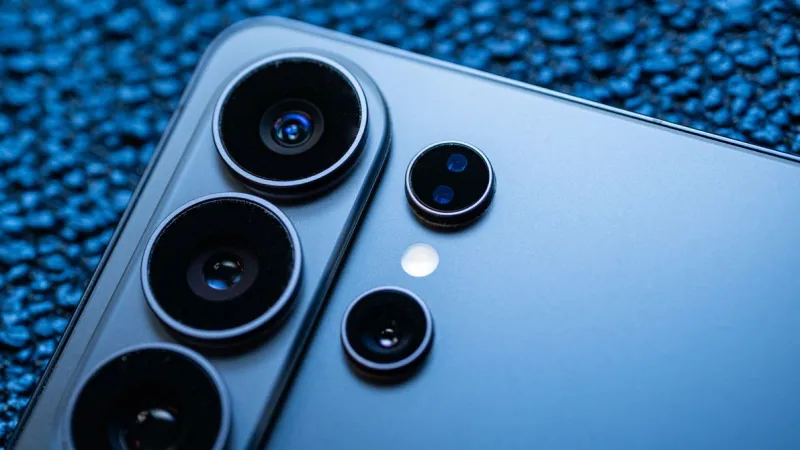
BOSTON - Metalenz, a pioneering force in flat lens optics, has acquired PxE, a strategic move poised to fundamentally transform smartphone night photography. This landmark acquisition aims to replace the conventional 50-year-old color filter technology that has long constrained low-light camera performance, heralding a new era for mobile imaging.
For decades, smartphone cameras have relied on traditional color filters to capture images, a method inherently limited in its light-gathering efficiency. This dependency has particularly hampered night photography, where intricate details and vibrant hues often succumb to noise and blur.
Metalenz has garnered industry attention for its innovative use of metamaterials to create compact, high-performance optical devices. Their proprietary flat lenses promise to capture more light and information, laying the groundwork for superior image quality across various lighting conditions.
PxE reportedly holds key patents and development capabilities crucial for the practical implementation of filter-free imaging systems. While specific details of PxE's technological contributions remain under wraps, analysts suggest its expertise aligns perfectly with Metalenz's vision for advanced computational imaging.
The immediate beneficiaries of this technological leap will be consumers. The promise is clearer, brighter, and more detailed night photos taken with their everyday smartphones, potentially eliminating the need for specialized equipment or cumbersome tripods in low-light scenarios.
This development positions Metalenz to disrupt a significant segment of the mobile imaging market. Major smartphone manufacturers will undoubtedly be watching closely, potentially integrating this advanced smartphone camera upgrade into their next-generation devices.
The color filter, a ubiquitous component since the dawn of digital photography, works by allowing only specific wavelengths of light to pass through to individual sensor pixels. While effective, it inherently sacrifices a substantial amount of incoming light, necessitating longer exposures or higher ISO settings, both of which introduce undesirable artifacts.
Metalenz's approach, leveraging sophisticated nanoscale structures, aims to capture full-spectrum light and then computationally derive color information. This method could potentially drastically increase light capture efficiency, leading to unprecedented low-light performance.
Integrating such a complex optical system into the slim profile of modern smartphones presents considerable engineering challenges. However, Metalenz's track record suggests a capability to miniaturize and optimize their technology for mass production.
Industry experts anticipate that this move could catalyze a broader shift across the entire photography sector. "This isn't just an iterative improvement; it's a fundamental rethinking of how cameras perceive and capture light," commented Dr. Evelyn Reed, a leading optics researcher. "It has the potential to redefine what's possible with mobile photography."
Other tech companies have invested heavily in computational photography to enhance low-light performance, often relying on complex algorithms to stitch together multiple exposures. Metalenz's hardware-based innovation offers a distinct advantage by improving the raw data capture at the source, offering a foundational change.
Beyond smartphones, the technology could find applications in other fields demanding superior low-light imaging, such as autonomous vehicles, advanced medical diagnostics, and enhanced surveillance systems.
While financial terms of the acquisition were not disclosed, the strategic value for Metalenz is clear. It strengthens their patent portfolio and accelerates their product roadmap in a highly competitive and rapidly evolving market.
Mass adoption of this technology could begin appearing in flagship smartphones within the next two to three years, given typical development cycles and supply chain integration. This aligns with the rapid pace of innovation prevalent in consumer electronics.
The shift away from archaic color filters represents more than just a technical refinement; it signifies a paradigm shift towards more efficient, data-rich image capture, promising a brighter future for night photography enthusiasts worldwide.
Ultimately, Metalenz's strategic acquisition of PxE underscores a concerted effort to overcome long-standing limitations in optical engineering, ensuring that future smartphone camera upgrades deliver genuinely transformative capabilities, especially in challenging low-light environments.