 Chandra Wijayanto
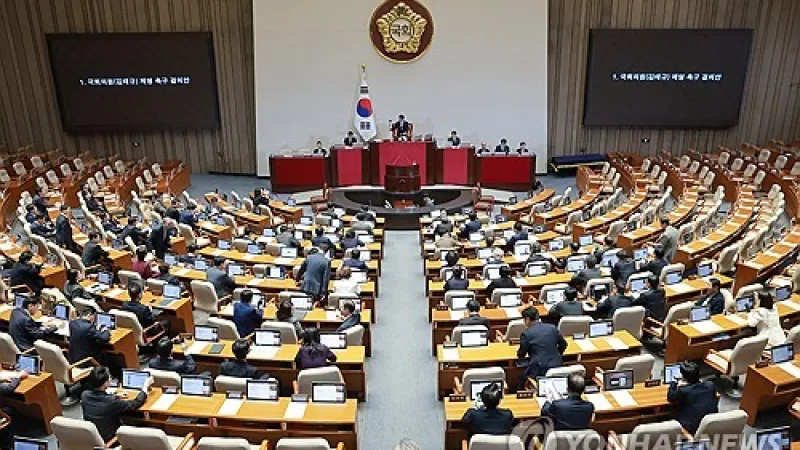
SEOUL – A contentious special counsel bill, designed to investigate allegations of fabricated indictments, was formally introduced at a plenary session of South Koreas National Assembly on November 5, 2026, igniting a significant political debate over judicial integrity and governmental accountability.
The proposed legislation seeks to appoint an independent special prosecutor tasked with examining specific cases where evidence suggests official documents or testimony may have been manipulated to secure charges against individuals. Proponents argue this independent review is crucial for restoring public trust in the legal system.
Sources familiar with the bills drafting indicate its focus stems from a series of high-profile legal proceedings in recent years that have drawn scrutiny from civil society groups and opposition parties. These groups have consistently called for greater transparency and oversight in prosecutorial practices.
The introduction of this special counsel bill marks a direct challenge to the incumbent administration and its perceived influence over state investigative bodies. While specific names are not publicly attached to the alleged fabrications, the political implications are profound, potentially exposing past malfeasance at various levels of government.
Special counsel probes are not uncommon in South Korean politics, often deployed in cases of immense public interest or when regular investigative agencies are perceived as compromised. Such measures underscore the nations commitment to addressing corruption and ensuring due process, albeit through politically charged mechanisms.
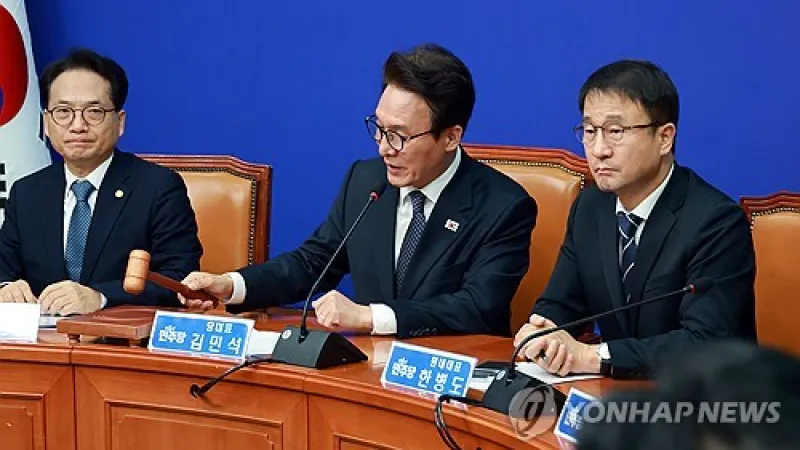
Opposition party leaders have championed the bill, framing it as an indispensable tool for democratic accountability. They contend that only an external, unbiased entity can thoroughly investigate claims that powerful figures might have abused their authority to target political adversaries or silence critics.
Conversely, the ruling party has expressed reservations, with some members labeling the initiative as a politically motivated attack rather than a genuine pursuit of justice. Concerns have been raised regarding the potential for political weaponization of the special counsel mechanism, diverting resources and attention from other pressing national issues.
Legal scholars are divided on the necessity and scope of the proposed investigation. While acknowledging the importance of upholding judicial fairness, some legal experts caution against establishing precedents that could undermine the established roles of the public prosecution service and courts.
The legislative process for the special counsel bill is expected to be fraught with intense deliberations and potential amendments. Passage would require significant cross-party negotiation and could face considerable resistance before reaching a final vote in the National Assembly.
This development comes as South Korea navigates complex domestic challenges, including economic disparities and demographic shifts. The integrity of its institutions is paramount for national cohesion and future prosperity, a sentiment echoed in broader discussions about the nations trajectory, such as those highlighted in reports like South Koreas Future Hinges on Vibrant Regions, OECD Warns. Such analyses emphasize that strong, trustworthy governance is essential for long-term stability and growth.
Public sentiment remains keenly attuned to issues of governmental ethics and legal rectitude. Past controversies involving corruption and abuses of power have consistently demonstrated the publics demand for accountability from its leaders and institutions.
The outcome of this legislative push for a special counsel bill will undoubtedly influence the political landscape in the coming months, potentially reshaping alliances and public perceptions ahead of future elections. It represents a critical test of the nations democratic checks and balances.