 Angela Stefani
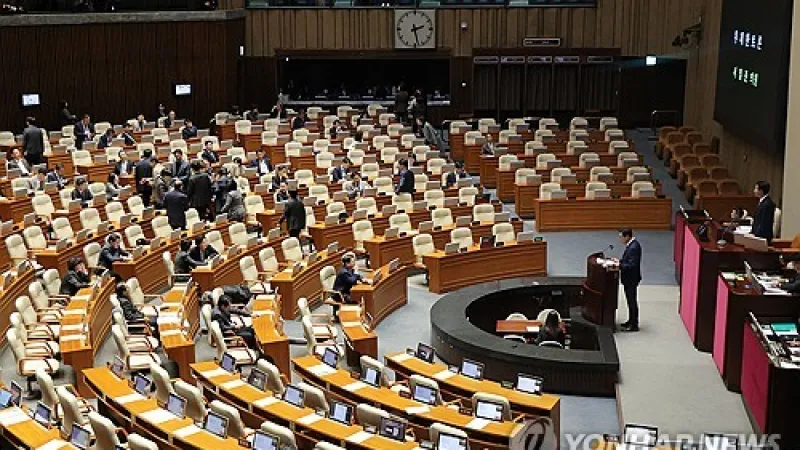
SEOUL, Nov. 19 (Yonhap) – The South Korean National Assembly on Thursday introduced a significant bill at its plenary session, seeking to officially recognize and expand welfare benefits for a greater number of individuals who suffered during the nation's historic pro-democracy movements. This legislative effort aims to address long-standing historical injustices and provide comprehensive support to those who sacrificed for the country's democratic transition.
The proposed legislation would broaden the scope of who qualifies as a victim of past pro-democracy struggles, moving beyond previous, more narrowly defined categories. Proponents argue this expansion is critical for a truly inclusive and equitable acknowledgment of the sacrifices made by ordinary citizens, students, and activists.
South Korea's journey to a robust democracy was marked by decades of authoritarian rule, during which countless individuals faced persecution, imprisonment, torture, and even death for advocating fundamental human rights and political freedoms. These tumultuous periods saw widespread dissent against military dictatorships and governments that suppressed civil liberties.
Key events, such as the Gwangju Uprising of 1980, stand as stark reminders of the state's violent suppression of pro-democracy movements. Beyond Gwangju, numerous student-led protests, labor movements, and civic actions across the nation contributed to the eventual triumph of democratic ideals, often at immense personal cost.
For many years, surviving victims and their families have campaigned tirelessly for official recognition and appropriate redress. They contend that while South Korea has achieved remarkable economic and democratic success, the historical wounds of those who paved the way remain unhealed without adequate state acknowledgment and support.
The new bill is expected to include provisions for various welfare benefits. These could encompass medical support for those whose health was compromised due to their activism, educational assistance for children of victims, and financial aid to compensate for economic losses suffered during detention or persecution.
Beyond material support, the legislation aims to confer honorary status upon these individuals and ensure their contributions are accurately recorded in the nation's historical narratives. Such official recognition is seen as vital for restoring dignity and ensuring future generations remember the true cost of their freedoms.
The introduction of the bill at a plenary session signifies a critical step in its legislative journey. It will now likely proceed to relevant committees for detailed review, public hearings, and potential amendments before a final vote by the full Assembly. While specific details of cross-party consensus are still emerging, the broad humanitarian and historical justice implications suggest a likely path forward.
Advocacy groups and human rights organizations have consistently championed such legislative initiatives, underscoring the moral imperative for the state to reconcile with its past. They view this bill as an essential component of transitional justice, moving the nation closer to a full reckoning with its complex history.
Successful passage of this pro-democracy victim recognition bill would not only provide overdue relief to affected families but also reinforce South Korea's commitment to human rights and democratic values. It would send a powerful message about the state's responsibility to protect its citizens and honor those who fought for the freedoms enjoyed today.
The initiative reflects a broader societal introspection regarding historical memory and accountability. By embracing a more expansive definition of victims, South Korea can ensure that no one who suffered for the nation's democracy is left forgotten or unacknowledged by the state they helped to build.