Chandra Wijayanto
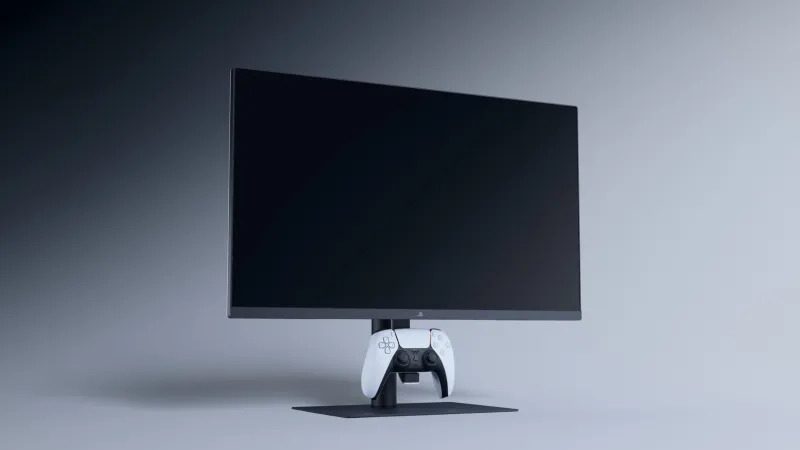
NEW YORK — Sony has introduced a 27-inch gaming monitor aiming to bridge the divide between console and PC experiences, distinguished primarily by its unique DualSense charging hook. While providing an otherwise standard display, this innovative integration feature signifies a notable effort towards unifying disparate gaming ecosystems, positioning the monitor as a distinctive entry in the evolving landscape of gaming peripherals for discerning players.
The new Sony 27-inch Gaming Monitor enters a crowded market of high-performance displays. Its fundamental offering is a competent 27-inch panel, capable of delivering sharp visuals and responsive gameplay essential for contemporary gaming. However, its true distinction lies beyond mere display specifications.
At the core of its appeal is the integrated charging solution for Sony’s PlayStation DualSense controller. This clever addition eliminates the need for separate charging cables or docks, streamlining the setup for players who seamlessly transition between PC and PlayStation 5 gaming. The convenience factor for these hybrid gamers is substantial.
The inclusion of the DualSense charging capability represents more than a simple accessory; it embodies Sony's broader strategy to intertwine its console hardware with its PC peripheral offerings. This move leverages the company's brand loyalty and ecosystem strength, extending PlayStation's influence into the PC domain.
For years, PC and console gaming have largely existed as separate, sometimes rival, domains. This monitor, with its specific design catering to PlayStation users, suggests a future where hardware integration becomes a key differentiator, blurring traditional lines and offering a more cohesive gaming environment.
Analysts note that while the display itself might be categorized as perfectly adequate when compared to high-end specialist PC monitors, its value proposition is significantly elevated by its bespoke charging functionality. This feature targets a specific niche: PlayStation 5 owners who also engage in PC gaming and seek maximum convenience.
The design philosophy behind the monitor appears to prioritize user experience and ecosystem synergy over raw, unadulterated technical supremacy often pursued by dedicated PC monitor manufacturers. This strategic choice aligns with Sony's established approach of building compelling, interconnected product families.
The burgeoning market for gaming accessories has seen an increased focus on cross-platform compatibility and convenience. Sony's entry with this 27-inch gaming monitor and its unique DualSense hook demonstrates an understanding of modern gamer habits, particularly those who invest in multiple gaming platforms.
This initiative is not isolated within the tech industry. As companies like Nvidia continue to grapple with competitive landscapes and internal pressures, as explored in articles like Nvidia Faces Dual Threat: Rising AI Rivals Amidst Internal Turmoil, innovation in user-centric features becomes paramount for market leadership.
Ultimately, the Sony 27-inch Gaming Monitor may be remembered not just for its display quality, but for its bold attempt to integrate disparate gaming hardware. It stands as an emblem of a potential future where the boundaries between console and PC gaming dissolve further, offering a glimpse into how peripherals can shape historical shifts in the gaming landscape.
The monitor’s significance could extend beyond its immediate utility. It provides a blueprint for how hardware manufacturers can foster loyalty and create distinct value propositions in a highly competitive electronics sector, by thinking beyond isolated product features toward holistic user experiences.
Its design philosophy subtly encourages the continued adoption of Sony’s PlayStation ecosystem, providing a tangible benefit for players deeply invested in the brand. This cross-pollination strategy could prove crucial in solidifying Sony’s position in the broader entertainment technology sphere.
While its reception will undoubtedly vary based on individual gamer needs and budget, the monitor undeniably secures its place as a fascinating case study in integrated hardware design. It prompts a reevaluation of what a gaming monitor can truly be.
The product implicitly challenges other peripheral manufacturers to innovate beyond conventional specifications. What unique hooks can they offer to capture the attention of a consumer base increasingly looking for seamless, intuitive solutions across their diverse tech arsenals?
This strategic move by Sony illustrates a proactive approach to evolving consumer demands. Instead of merely competing on resolution or refresh rates, the company introduces a distinct functionality that resonates deeply with its existing customer base while potentially attracting new ones.
In essence, the 27-inch gaming monitor with its DualSense charging capability represents a subtle but impactful piece of the ongoing narrative of PC history and gaming evolution. It is not just a display; it is a statement about convenience, integration, and the future of digital entertainment.
This convergence of design and function sets a precedent for future gaming hardware. It suggests that success in the upcoming years will increasingly depend on thoughtful ecosystem integration rather than standalone technological prowess.