 Stefani Rindus
Berlin – Johannes Volkmann, a prominent foreign policy expert for Germany's Christian Democratic Union (CDU), has unequivocally called for Ukraine's direct participation in any future peace negotiations concerning the ongoing conflict. Volkmann emphasized that Ukraine must be an active participant in shaping its future, warning simultaneously of severe global economic repercussions if a conflict erupts in the strategically vital Taiwan Strait.
Volkmann's assertion, "Die Ukraine gehoert an den Tisch und nicht auf die Speisekarte," translates powerfully to "Ukraine belongs at the table and not on the menu." This metaphor directly challenges any notion of externally imposed settlements, advocating for a peace process grounded in Kyiv's self-determination.
The call for Ukraine's inclusion comes as diplomatic efforts continue to seek a resolution to the protracted conflict. International observers have frequently debated the format and participants of such negotiations, with Kyiv consistently maintaining that no talks about its future can occur without its presence and consent.
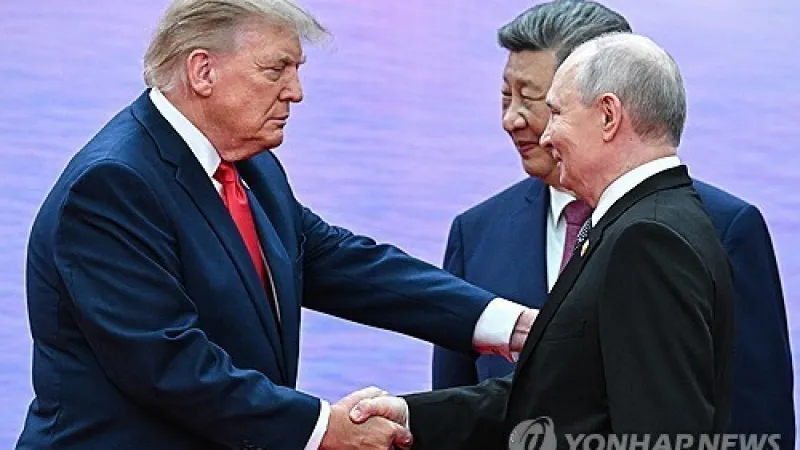
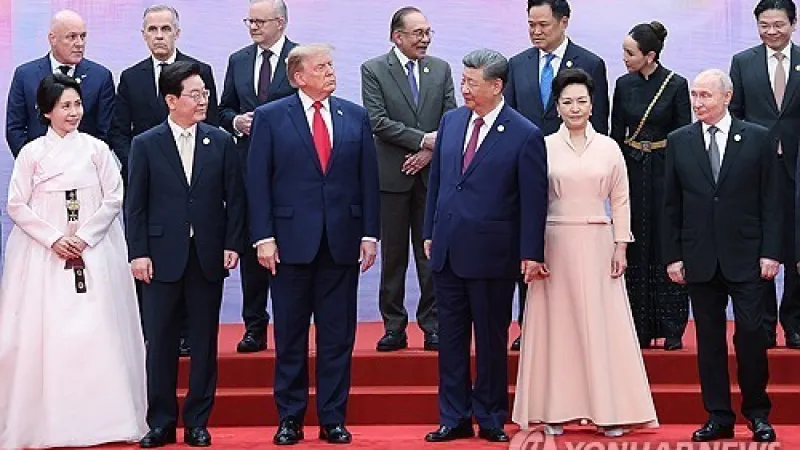
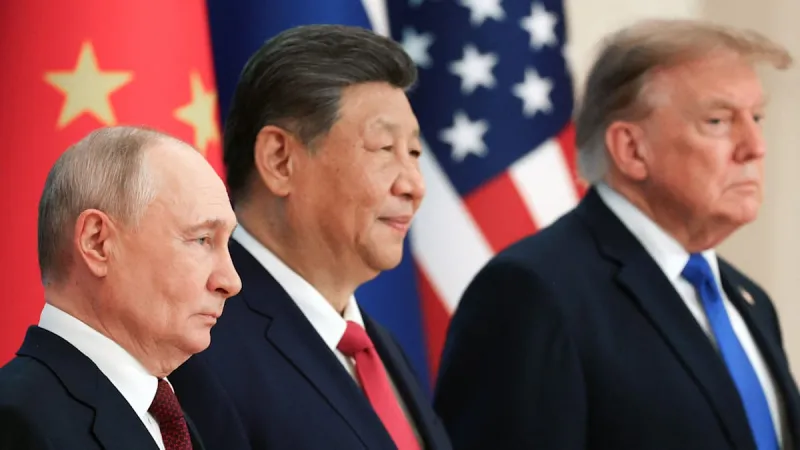
Volkmann's strong stance emerges amidst a complex global diplomatic landscape. Recent high-level discussions, such as the historic trilateral summit on nuclear disarmament involving President Donald Trump, Chinese President Xi Jinping, and Russian President Vladimir Putin, highlight the imperative for all stakeholders to be present when their national interests are at stake.
Beyond the immediate concerns for Eastern Europe, Volkmann extended his cautionary remarks to the East Asian region, specifically regarding the Taiwan Strait. He articulated significant apprehension about the severe economic consequences that would inevitably follow any military escalation in this critical geopolitical hotspot.
A conflict involving Taiwan, a global nexus for semiconductor manufacturing, would trigger unprecedented disruptions to global supply chains. The potential for a blockade or military action would not only halt the production of essential technological components but also severely impede international trade routes, leading to widespread economic instability.
The German lawmaker underscored the interconnectedness of the global economy, positing that a major disruption in the Taiwan Strait would send shockwaves far beyond Asia. European industries, heavily reliant on components and trade routes traversing the region, would face immediate and profound challenges, potentially leading to recessionary pressures.
Volkmann's comments reflect a broader shift within the CDU's foreign policy thinking, which increasingly views global security as intrinsically linked to economic stability. The party advocates for proactive diplomacy and a robust international rules-based order to mitigate such high-impact risks.
The historical precedent of regional conflicts spiraling into global economic crises lends weight to Volkmann's warnings. Policymakers worldwide are acutely aware of the delicate balance required to maintain peace in regions with immense strategic and economic importance.
His remarks serve as a clarion call for intensified diplomatic efforts to de-escalate tensions both in Eastern Europe and the Indo-Pacific. Preventing these conflicts from materializing or escalating remains a paramount objective for international statecraft.
As a key figure in the CDU's foreign policy apparatus, Johannes Volkmann's statements carry significant weight within German political discourse and among Europe's diplomatic circles. His insights often inform parliamentary debates and governmental positions on international affairs.
Many European nations share Germany's concerns regarding both the Ukraine conflict's resolution and the potential for instability in the Taiwan Strait. The collective memory of past economic downturns, exacerbated by geopolitical events, fuels a strong desire for preventative action.
The backdrop to these critical discussions includes ongoing complexities, such as revelations of Russian operatives engaged in espionage amidst the Ukraine conflict, which further complicates the environment for peace negotiations and emphasizes the need for transparent, inclusive dialogue.
Ultimately, Volkmann's dual warnings underscore the intricate web of global security challenges confronting leaders in 2026. His intervention emphasizes that diplomatic engagement, with all relevant parties at the table, offers the most viable path toward both regional stability and sustained global prosperity.