Angel Doris
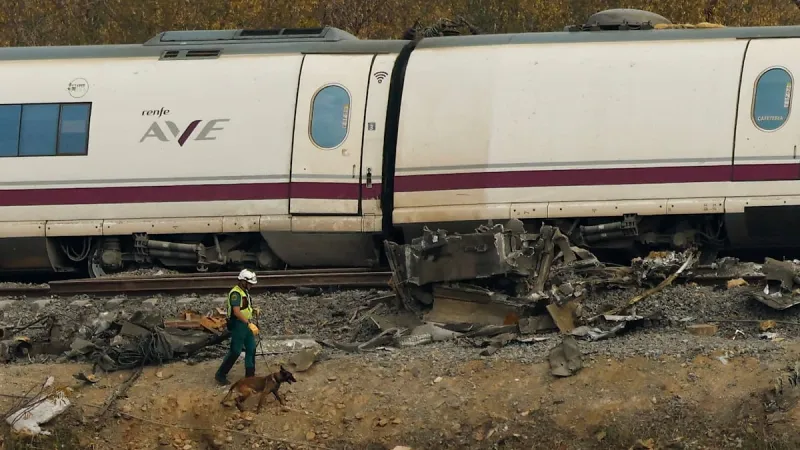
MADRID - Two days after a catastrophic high-speed train collision in Spain, families of the missing continue to grapple with agonizing uncertainty, even as authorities proceed with the solemn task of burying the first identified victims. The disaster has plunged communities into profound grief, with the slow and meticulous process of identification exacerbating the emotional toll on those desperate for news of their loved ones.
The wreckage of the two high-speed trains presented an immense challenge for emergency responders and forensic teams. Initial reports indicated a significant loss of life, but the extent of the devastation has made immediate and comprehensive victim identification exceedingly difficult. Relatives, gathering at makeshift information centers and morgues, describe a harrowing ordeal of hope and despair.
For those whose family members have been confirmed among the deceased, the process of formal identification allows for the commencement of funeral rites, offering a fragile sense of closure. However, for a substantial number of families, the absence of definitive information prolongs their anguish, leaving them in a painful limbo between hoping for survival and fearing the worst.
The national rail operator and government officials have expressed condolences, vowing full transparency and support for the victims families. However, critics point to the system challenges that often emerge in the wake of such large-scale tragedies. As noted in a prior report, Spain Confronts Missing Persons Anguish As Sanchez Admits System Failures, the nation has grappled with the complexities of managing victim identification and communication during crises.
Forensic experts are utilizing advanced techniques, including DNA analysis, to identify fragmented remains. This process is inherently time-consuming, requiring careful collection, matching, and verification. Each positive identification provides clarity to one family, yet it often highlights the grim reality for others still waiting.
The first funerals, conducted with somber dignity, underscore the tragic human cost of the collision. These ceremonies serve as a stark reminder of the lives abruptly cut short and the indelible void left in the lives of their survivors. Public mourning has begun, with national flags flying at half-mast and vigils planned across affected regions.
The psychological impact on the families is immense. Many report an inability to sleep or eat, consumed by constant thoughts of their missing relatives. Support services, including psychological counseling, have been deployed to assist those most affected by the unfolding tragedy. The waiting, they say, is the hardest part.
Authorities have urged patience, emphasizing the complex nature of the investigation and the paramount importance of accurate identification. They have established a dedicated hotline and family liaison officers to provide updates, although the updates often consist of confirming that no new information is yet available for specific individuals.
The collision, which occurred two days prior, has prompted an immediate investigation into its causes. While details remain sparse, preliminary reports suggest a high-speed impact. The focus for now remains squarely on the humanitarian effort and supporting the families through this exceptionally difficult period.
As the nation mourns, the dual processes of grieving the identified dead and desperately searching for the missing unfold simultaneously. The Spanish people unite in solidarity, offering support and prayers for those caught in the devastating aftermath of this unforeseen tragedy.