 Chandra Wijayanto
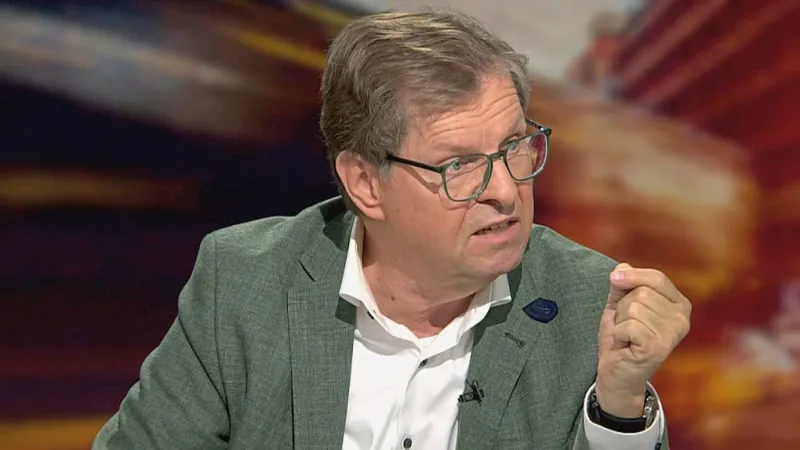
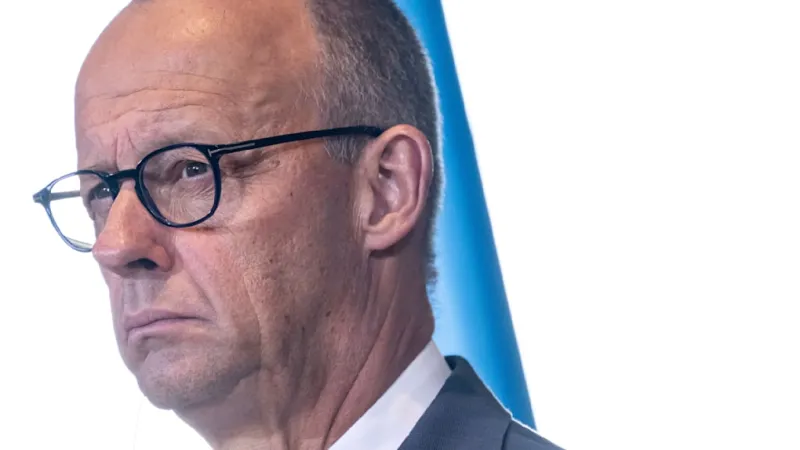
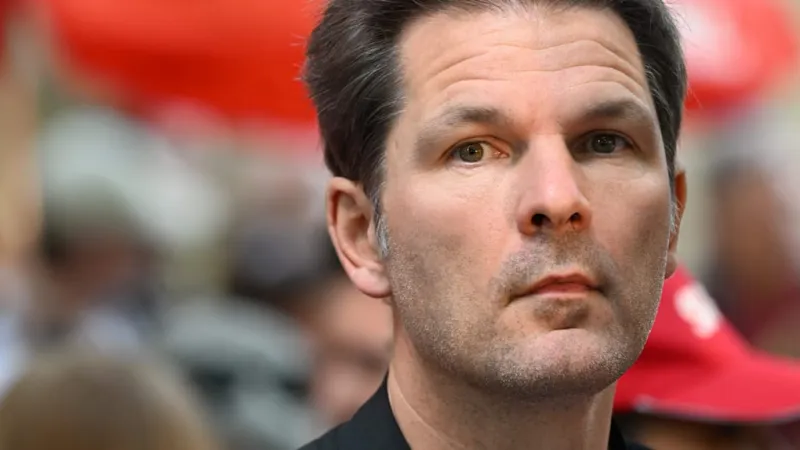
Berlin – Prominent Social Democratic Party politician Ralf Stegner launched a scathing critique of Christian Democratic Union leader Friedrich Merz this week, accusing him of pervasive leadership weakness that he characterized as a fundamental issue for Germany's ruling coalition. The sharp condemnation highlights growing internal tensions and scrutiny of governmental stability, particularly as the Greens also voice dissatisfaction with the Chancellor's handling of the federal presidency selection.
Stegner's pointed remarks depicted Merz as a political figure who is reactive and constrained, rather than one who actively shapes the political agenda. The SPD veteran described Merz as a “driven figure instead of a proactive designer,” a characterization intended to underline a perceived lack of strategic initiative and decisiveness at the helm of Germany's center-right party.
Friedrich Merz, who leads the CDU/CSU parliamentary group and is a key figure within the conservative opposition, faces persistent scrutiny regarding his leadership style and its efficacy. His role is pivotal in parliamentary debates and in setting the opposition's tone, which consequently impacts the overall dynamic of Germany's political discourse and the viability of government policies.
Such direct criticism from a leading figure of the Social Democrats, a party traditionally engaged in complex coalition dynamics, signals deeper fissures within the broader political establishment. It suggests that perceived weaknesses in opposition leadership can inadvertently complicate the government's ability to forge consensus or even govern effectively, particularly on critical national matters.
Adding another layer to the mounting pressure, members of the Green Party have also publicly expressed sharp criticism regarding the Chancellor's approach to the selection of the federal presidency. While distinct from Stegner's direct attack on Merz, this parallel discontent underscores a period of significant political unease and strained inter-party relations within Germany.
This specific political maneuvering surrounding the federal presidency holds deep symbolic importance for Germany's constitutional order. The President, though largely a ceremonial head of state, plays a crucial role in representing the nation and mediating political crises. Any missteps or perceived lack of transparency in the selection process can ignite widespread political backlash and erode public trust.
These recent exchanges unfold against a backdrop of complex challenges facing Germany in 2026. From navigating persistent economic headwinds to addressing international security concerns and domestic social reforms, the stability and cohesiveness of the political leadership are paramount. Public confidence hinges on the perception of strong, unified governance, a perception now visibly fractured.
Observers anticipate a robust response from Merz's camp, likely defending his leadership record and potentially redirecting criticism back toward the Social Democrats' own policy shortcomings. The CDU/CSU will be keen to project an image of strength and unity, especially as the political calendar progresses towards future electoral contests.
The immediate implication of this public discord could manifest in more contentious parliamentary debates and potentially hinder legislative progress on key government initiatives. For both the SPD and the CDU/CSU, the current climate serves as an early test of their strategies and leadership ahead of potential future coalition formations or outright electoral showdowns.
As Germany's political landscape grapples with these open criticisms, the onus falls on all major parties to address the underlying issues of trust and effectiveness. The capacity of the current political architecture to withstand sustained internal pressure, as highlighted by Stegner's allegations and the Greens' discontent, remains a central question for the nation's future stability.