 Debby Wijaya
WASHINGTON – SpaceX, the aerospace manufacturer and space transportation services company founded by Elon Musk, is experiencing a considerable surge in federal contracts, positioning it for substantial long-term success despite earlier market cooling post-initial public offering. The influx of government work, overseen by President Donald Trump's administration, underscores a growing symbiosis between private space innovation and public strategic interests, fulfilling what many observers deem one of the largest financial gambles in modern history.
This robust pipeline of state commissions is a critical accelerant for SpaceX, an enterprise that, despite its visionary goals and technological prowess, remains notably reliant on government funding. The relationship between Musk’s ventures and federal support has only strengthened, drawing attention to the intricate ties between political influence and commercial triumph within the highly strategic space sector.
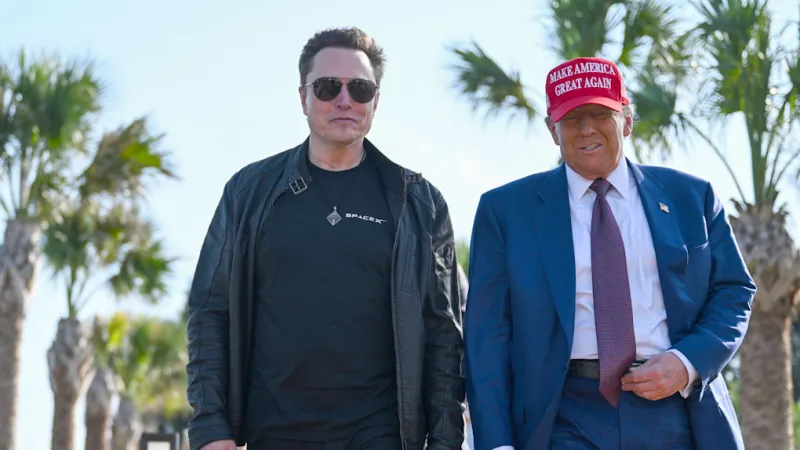
Evidence of this close alignment can be seen in past political contributions made by Elon Musk. Records indicate significant donations to President Donald Trump’s election campaigns, a factor that observers suggest may have fostered a favorable environment for SpaceX in securing lucrative government work during his presidency.
The initial market euphoria surrounding SpaceX’s public debut has, for some time, given way to more sober financial assessments. Analysts had pointed to the company’s extensive research and development costs, ambitious long-term projects, and the inherent risks of space exploration as factors tempering immediate investor enthusiasm.
However, the recent acceleration in federal contracts has demonstrably shifted this narrative. These contracts span a broad spectrum, from critical national security launches for the Department of Defense to pivotal missions for NASA’s human spaceflight and scientific exploration programs. They provide a stable revenue stream and validate SpaceX’s advanced capabilities.
Beyond direct launch services, federal agencies are increasingly leveraging SpaceX’s Starlink satellite internet constellation for various governmental applications, including defense communications and disaster response. This broader integration further solidifies the company’s indispensable role in the nation’s technological infrastructure.
The strategic importance of space to national security and economic growth underpins this governmental commitment. As global competition in space intensifies, particularly from nations like China and Russia, ensuring American dominance in orbital capabilities, satellite technology, and deep space exploration has become a paramount objective for the Trump administration.
This sustained governmental support transforms what might otherwise be a volatile private sector undertaking into a more predictable and financially viable enterprise. The extensive federal backing mitigates some of the colossal financial risks typically associated with cutting-edge aerospace development.
For investors, what began as a speculative bet on a charismatic entrepreneur and groundbreaking technology is now evolving into a more grounded investment, bolstered by consistent government expenditures. This transition is critical for sustaining investor confidence and attracting further private capital to fund SpaceX’s ambitious long-term endeavors, such as interplanetary travel to Mars.
The trajectory of SpaceX illustrates a compelling model where private sector innovation, driven by ambitious entrepreneurship, flourishes through symbiotic relationships with governmental strategic interests and funding. This dynamic ensures the continuous advancement of space technology while simultaneously serving national imperatives, solidifying SpaceX’s position as a pivotal player in the 21st-century space race and a substantial asset to the national economy.