 Angel Doris
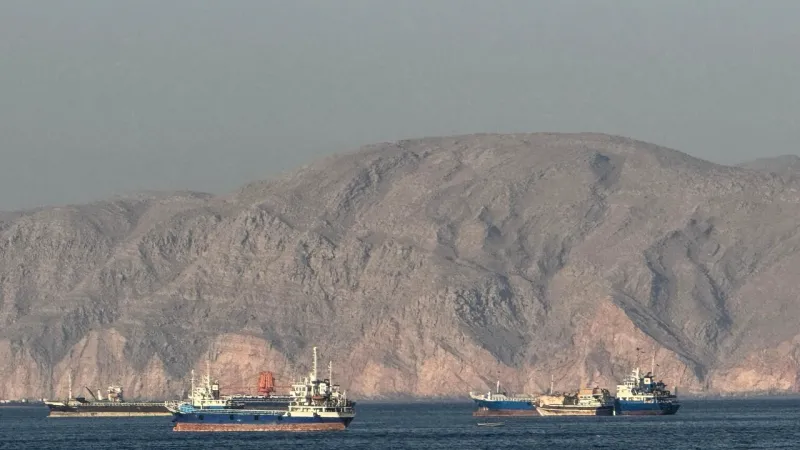
President Donald Trump announced progress towards an agreement regarding the Strait of Hormuz this week, signaling a potential resolution as early as today or Thursday. However, Iranian officials quickly countered, dismissing the US president as “unreliable” and asserting that Washington bears responsibility for any delays in securing such an accord.
Speaking from the White House, President Trump conveyed a confident outlook on the ongoing diplomatic efforts. “Much progress has been made,” he stated, indicating that the critical maritime chokepoint, essential for global oil shipments, is expected to “open very soon.” The President underscored the gravity of the situation, adding a stark warning: “otherwise, very harsh blows” would follow, implying severe consequences if an agreement fails to materialize.
In stark contrast, a senior Iranian official, whose name was not immediately released, offered a differing narrative. The official directly challenged the US stance, stating, “It is the USA that is slowing down the agreement.” This accusation underscores the deep mistrust and divergent perspectives that continue to define relations between Washington and Tehran.
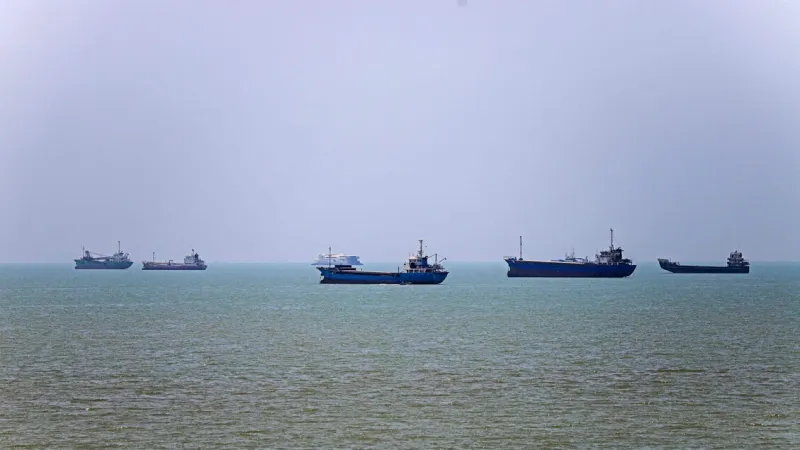
This exchange highlights the enduring geopolitical sensitivities surrounding the Strait of Hormuz, a narrow waterway situated between the Persian Gulf and the Gulf of Oman. Approximately one-fifth of the world’s daily oil consumption, along with a significant portion of liquefied natural gas, transits through this vital passage, making its stability paramount for global energy markets.
For decades, the Strait of Hormuz has been a flashpoint for international tensions, particularly involving Iran, which controls its northern coast. Past incidents, including attacks on tankers and seizures of vessels, have frequently heightened global concerns about disruptions to oil supplies and regional security.
President Trump’s optimistic timeline comes amidst a backdrop of complex and often fraught negotiations between the two nations. The US has consistently advocated for freedom of navigation in international waters, viewing any Iranian interference as a violation of international law and a threat to global commerce.
Conversely, Tehran views the Strait as integral to its national security and asserts its right to regulate passage, particularly in response to perceived threats or economic sanctions. The Iranian official’s dismissal of President Trump’s reliability reflects a deeply ingrained skepticism about US intentions and commitment to any potential deal.
Any significant disruption in the Strait of Hormuz could trigger a dramatic spike in global oil prices, destabilizing economies worldwide. The potential for “very harsh blows” mentioned by President Trump suggests a readiness to exert significant pressure, economic or otherwise, to ensure the waterway remains open.
International observers are closely watching these developments, understanding that a resolution would signify a significant de-escalation of tensions in a volatile region. However, the conflicting statements from Washington and Tehran suggest that obstacles remain substantial, with each side holding firm to its particular demands and interpretations of responsibility.
The implied diplomatic maneuvering behind President Trump’s statements suggests a strategic approach aimed at expediting a resolution. His public declarations often serve to apply pressure and frame the narrative, setting expectations for a rapid outcome while signaling the potential for robust action.
Conversely, Iran’s immediate rebuttal aims to manage domestic expectations and assert its sovereign position on the international stage. By labeling the US president as untrustworthy, Tehran attempts to delegitimize American negotiating positions and highlight what it perceives as Washington’s inconsistent foreign policy.
The global energy community, particularly oil-importing nations in Asia and Europe, remains highly sensitive to any news emanating from the Strait of Hormuz. Stability here is not merely a regional concern but a fundamental prerequisite for global economic equilibrium.
Should the current diplomatic overtures falter, the international community could face renewed calls for multilateral engagement to prevent further escalation. The delicate balance of power and interests in the Persian Gulf region makes any long-term resolution exceptionally challenging.
As the proposed timeline of “today or Thursday” approaches, the world awaits further clarity on whether these contrasting viewpoints can converge into a tangible agreement or if the deeply entrenched distrust will prevail, prolonging the uncertainty surrounding the critical Strait of Hormuz.