 Dodi Irawan
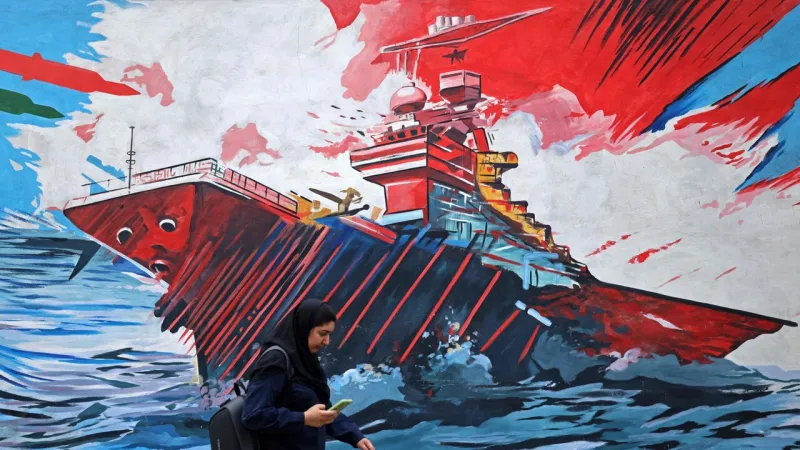
Middle East tensions escalated sharply as Iran launched missile strikes targeting Jordan and the United Arab Emirates, an overt response to recent raids on its Larak Island. President Donald Trump, reacting to the rapidly unfolding events, declared the United States would “hit hard” in retaliation for any further aggressions, signaling a dangerous new phase in the protracted regional standoff.
Tehran confirmed the launch of the missiles, asserting that the actions were a direct consequence of perceived provocations. The specific targets underscore a broadening scope of the conflict, drawing in nations previously seen as periphery players in direct military engagement.
This development follows a period of heightened friction in the Persian Gulf, characterized by various naval incidents, cyberattacks, and proxy confrontations. The precise nature and full extent of the raids on Larak Island, an Iranian island strategically located in the Strait of Hormuz, remain subject to international scrutiny and conflicting reports from regional actors.
President Trump’s declaration marks a significant hardening of Washingtons stance. His administration has consistently maintained a policy of maximum pressure against Iran, citing the nations nuclear ambitions and destabilizing actions across the region. The presidential warning emphasizes a zero-tolerance approach to direct assaults on US interests or allies.
Analysts are closely monitoring the situation, concerned that a miscalculation by any party could ignite a wider, more devastating conflict. The direct targeting of sovereign states like Jordan and the UAE represents a bold and risky move by Iran, potentially challenging the regional security architecture.
The international community has called for de-escalation, urging all parties to exercise restraint and pursue diplomatic channels. However, the current trajectory suggests an increasing reliance on military posturing and direct confrontation, making any immediate diplomatic breakthrough appear remote.
Regional allies of the United States are reportedly on high alert, assessing their defensive capabilities and coordination with US forces. The missile strikes against Jordan and the United Arab Emirates threaten to pull a broader coalition of nations into direct military contention, further complicating the geopolitical landscape.
This latest escalation mirrors previous periods of intense pressure in the region, particularly concerns over Middle East Tensions Mount: US Raids Spark Iranian Retaliation. Such incidents consistently place global energy markets under strain, with potential ramifications for crude oil prices and international trade routes.
Expert observers note that Iran has demonstrated an evolving capability in missile technology, a development that concerns both regional powers and global watchdogs. The deployment of these weapons in a retaliatory capacity signals Tehran's readiness to leverage its military assets in response to perceived threats.
The global community awaits further details on the damage inflicted by the Iranian missiles and any immediate responses from the targeted nations. The overarching concern remains the potential for a spiraling cycle of retaliation, which could destabilize the entire Gulf region and beyond.
The coming days will prove critical as international actors navigate this volatile environment. The world watches closely to see if diplomacy can reclaim a role or if the region is destined for further military engagement, dictated by the strong pronouncements from both Tehran and Washington.